








The All-Too-Tidy TV Ending
American television loves a clean resolution. The couple gets together, the case is solved, the family learns a valuable lesson—all before the credits roll. It’s a satisfying formula that we’ve come to expect. When applied to history, this impulse often
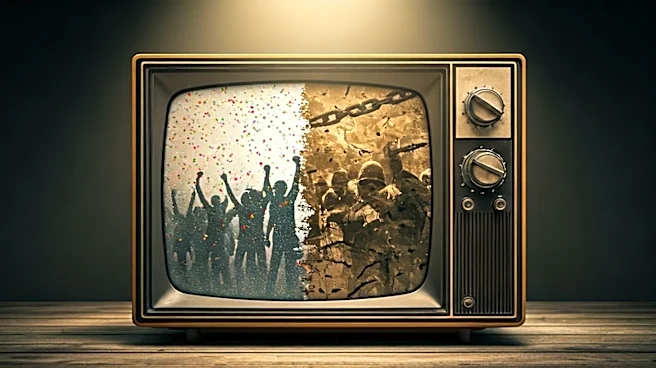
translates into sanitized, feel-good narratives. We see this in stories that frame the end of slavery as a singular, triumphant moment where the righteous prevail and freedom rings uncontested. Many well-intentioned Juneteenth specials fall into this trap. They present the news of emancipation arriving in Galveston, Texas, as the final scene of a long, dark movie. The characters cry tears of joy, hug, and look toward a bright, undefined future. While the celebratory aspect is essential—Juneteenth is, at its heart, a day of profound Black joy and resilience—this framing omits the story’s complicated second act. It presents freedom as an event, not a process. By focusing solely on the catharsis of the announcement, these shows inadvertently flatten a story that is defined by its ragged edges.
Freedom Arrived with Fine Print
The core contradiction of Juneteenth is baked right into its origin. The news delivered by Major General Gordon Granger on June 19, 1865, was that the Civil War was over and the enslaved were free. This was two and a half years after the Emancipation Proclamation. That delay, a result of everything from slow-moving information to a deliberate, cruel suppression of the truth by enslavers, is the first layer of complexity. But the text of General Order No. 3 itself is where the story gets even messier. It informed the formerly enslaved that their relationship to their former masters would now be that of “employer and hired labor.” It then advised them to remain quietly at their “present homes” and work for wages. This wasn’t a declaration of total, unconditional liberation; it was the start of a new, deeply fraught negotiation for survival. For the 250,000 newly freed people in Texas, the announcement was followed not by a parade but by a question: What now? They faced a landscape of white hostility, economic uncertainty, and the terrifying, exhilarating reality of self-determination in a society built to deny it.
Joy in the Face of Danger
This is the contradiction that Juneteenth television should embrace: the collision of defiant joy and imminent peril. The celebrations that first erupted in 1865 and continued for generations weren't naive. They were acts of radical hope performed in the shadow of the Black Codes, sharecropping, and the rise of the Ku Klux Klan. The joy was real, but so was the danger. Portraying one without the other is a disservice to the people who lived it. Shows like Donald Glover’s *Atlanta* have excelled at this kind of tonal tightrope walk. Its acclaimed “Juneteenth” episode doesn’t offer a historical reenactment but a modern satire, exposing the awkward commercialization and performative allyship surrounding the holiday. It’s funny, uncomfortable, and deeply insightful precisely because it refuses to offer a simple emotional takeaway. It understands that the legacy of Juneteenth is a tangle of genuine pride, historical trauma, and contemporary absurdity. This is the playbook: show characters grappling with the messy reality, not just basking in a simplified ideal.
What a Better Story Looks Like
So what does it mean for a show to embrace this contradiction? It means telling stories set in the days and weeks *after* June 19, 1865. It means showing a family celebrating their freedom while simultaneously figuring out if they can safely leave the plantation. It means depicting the joy of a first paid wage alongside the injustice of that wage being pitifully low. It means exploring the tension between those who wanted to flee Texas immediately and those who stayed to search for family members sold away years before. A truly great Juneteenth story wouldn’t end with the reading of the order. It would begin there. The central conflict wouldn’t be freedom versus slavery, but the dizzying, dangerous, and hopeful process of *becoming* free in a nation not yet ready for that reality. It’s in this complex space—between the joy of the promise and the terror of its execution—that the most powerful and honest stories are waiting to be told.