



Setting the Scene: June 1999
To understand the moment, you have to understand the era. The year was 1999. The NBA was in a post-Michael Jordan wilderness, desperately searching for its next generation of stars. Hip-hop culture was the dominant force in music, style, and attitude,
and its influence was spilling onto the court and into the league’s official functions. The NBA Draft wasn't the high-fashion runway it is today; it was a corporate event where college kids showed up looking, well, like college kids who suddenly had access to a little bit of money and a whole lot of fabric.
The Suit, The Smile, and The Snapback
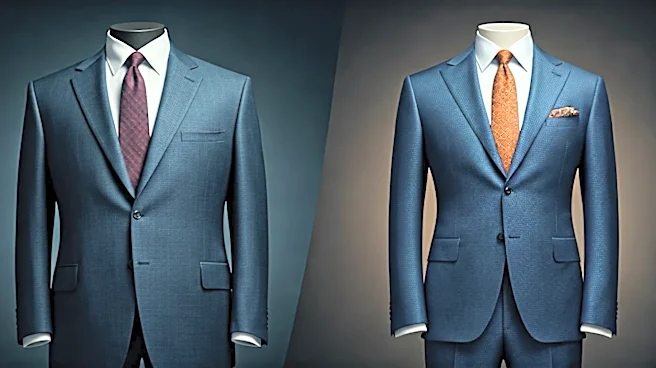
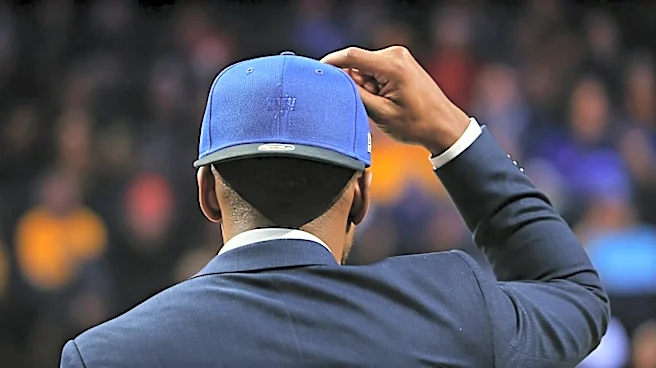
Enter the 1999 NBA Draft class. One after another, future stars like Lamar Odom, Steve Francis, and Baron Davis walked to the podium to meet Commissioner David Stern. They were draped in suits that seemed to defy the laws of physics—impossibly oversized, with shoulders wider than the doorways and pant legs that pooled around their sneakers. These weren't tailored statements; they were massive, off-the-rack declarations of a specific moment in time. And then came the hat. As Stern announced each pick, he would grab a stiff, slightly generic-looking snapback from a rack and place it on the draftee's head. The visual was often comical—a massive suit, a nervous grin, and a perched hat signifying the official transition from amateur to professional. This wasn't just a handshake; it was a coronation by cap.
Why This Moment Stuck
The 1999 draft wasn’t the first time players got hats, but it was the moment the ritual became visually seared into the NBA’s collective memory. The sheer size of the suits made the players look like kids dressing up in their dad’s clothes, amplifying the sense of a life-changing transition. The hat was the exclamation point. In an era before players had personal stylists meticulously curating their draft-night looks, this moment felt raw and authentic. It was the league’s attempt at branding its newest assets, a simple, repeatable gesture that said, “You are one of us now.” For the viewer, it was the first time seeing the player in their new team’s colors, a tangible symbol of a franchise’s future hopes being placed directly on a young man’s head.
The Legacy: From Baggy to Bespoke
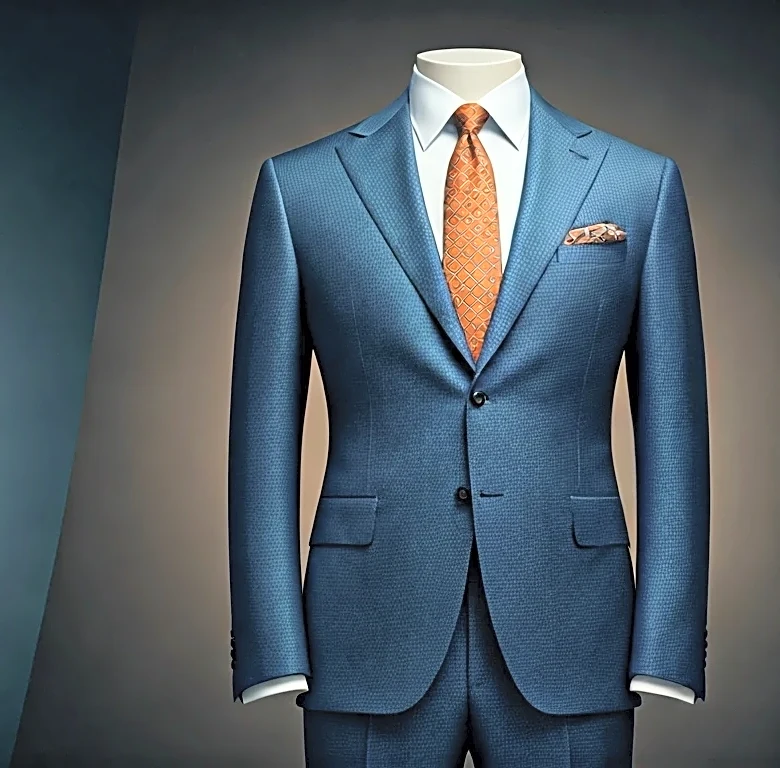
The legacy of that 1999 hat moment is twofold. First, the league understood its power. The draft hat became a non-negotiable, standardized part of the ceremony, a piece of merchandise and a branding tool all in one. The hats got better, the logos got sharper, but the act itself remained the same. Second, the fashion evolved *around* the hat. The baggy suits of the late ‘90s and early 2000s eventually gave way to the slim-fit, high-fashion, custom-designed masterpieces we see today. Players now use their suits to tell personal stories, with custom linings, jewelry, and shoes grabbing headlines. Yet, amid all that sartorial splendor, the simple act of receiving the team hat endures as the ceremony’s emotional and visual anchor. It’s the great equalizer; whether you’re wearing a $10,000 custom suit or a rental, the dream is only truly realized when that cap sits on your head.