


The Dawn of a New Terror
When John Carpenter’s 'Halloween' premiered in 1978, it didn't just introduce the world to a new kind of slasher villain; it arrived at the perfect cultural moment. The home video revolution was dawning. JVC had launched the VHS format just a couple of years
earlier, and by the early 1980s, the VCR was becoming a living room staple. For the first time, movies were no longer confined to theaters or network television schedules. This shift gave audiences unprecedented control, allowing them to pause, rewind, and, most importantly, rewatch. 'Halloween,' with its atmospheric dread and shocking violence, was a film people wanted to dissect and experience again, making its 1979 VHS release a coveted item for horror fans.
The Video Store: A Horror Fan's Library
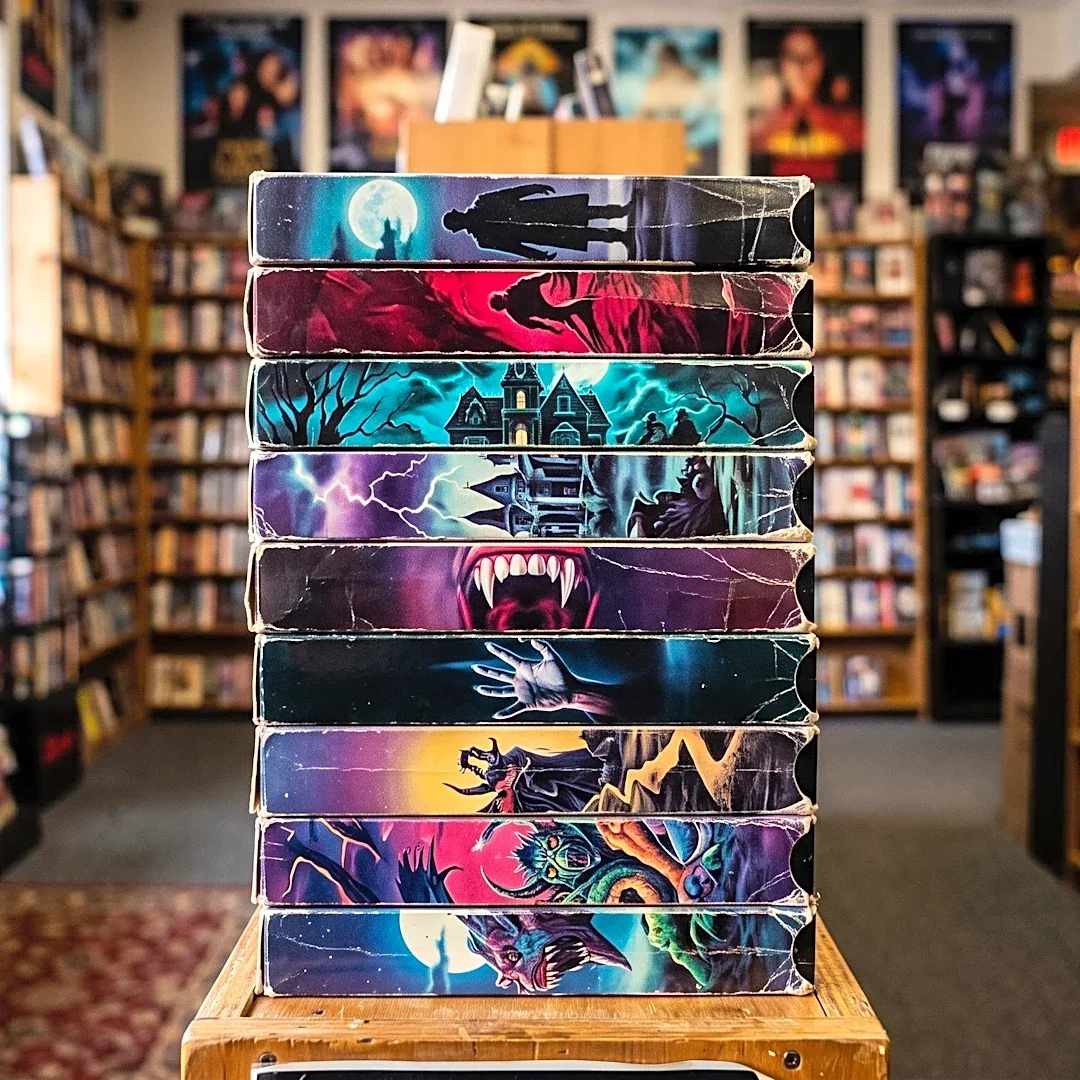
The 1980s belonged to the video rental store. Aisles lined with plastic clamshell cases became the new way families and friends chose their evening's entertainment. Hollywood studios, initially fearful of the technology, quickly realized home video was a massive new revenue stream. This created an insatiable demand for content. Horror, in particular, thrived in this environment. The genre was relatively cheap to produce, and its shocking cover art stood out on crowded shelves. As the 'Halloween' franchise expanded with 'Halloween II' (1981) and the standalone 'Halloween III: Season of the Witch' (1982), a trip to the video store meant you could catch up on the story so far before the next installment hit theaters. Renting the previous film became a pre-sequel ritual.
An Appetite for Sequels
The home video market wasn't just for blockbusters; it was a perfect engine for sequels. Even if a horror follow-up didn't have a huge theatrical run, it could find a long and profitable life on VHS. This model fueled the slasher boom of the '80s and '90s. The 'Halloween' series, with its multiple sequels like 'Halloween 4: The Return of Michael Myers' (1988) and 'Halloween 5: The Revenge of Michael Myers' (1989), was perfectly suited for this new mode of consumption. With each new tape added to the video store wall, the idea of watching them back-to-back became more appealing. The franchise's convoluted and often rebooted timelines almost encouraged marathon viewing as a way to make sense of it all.
Built for the Binge
Unlike some horror films that are one-and-done experiences, the structure of the 'Halloween' franchise lent itself to marathon viewing. The return of a single, iconic killer in Michael Myers provided a powerful thread of continuity, even as the stories and timelines diverged. Each film offered a new set of characters and situations but delivered on the core promise: The Shape would return. This episodic quality made watching several films in a row feel like binging a season of television. It became a fan-driven event, a way to fully immerse oneself in the world of Haddonfield for a night. This shared experience, whether with friends in a living room or discussed online, became a cornerstone of horror fandom.
From Tapes to Streaming
The physical media may have changed, but the tradition it created has only grown stronger. VHS tapes gave way to LaserDiscs, then DVD box sets that made marathoning even easier, often including special features that deepened fan engagement. Today, the ritual lives on through streaming services and digital rentals. Platforms often highlight horror collections in October, and a quick search reveals that seasonal favorites like 'Hocus Pocus' and various 'Halloween' installments consistently top the charts as the holiday approaches. The ability to access nearly the entire franchise with a few clicks has made the 'Halloween' marathon more accessible than ever, solidifying its status as a seasonal staple born from the grainy, magnetic tape of a bygone era.