



The World Cup Comes to America's Front Yard
The single biggest catalyst for this shift is the 2026 FIFA World Cup, hosted across the United States, Mexico, and Canada. For 40 days, the world’s most popular sporting event will unfold in major American media markets, creating a cultural gravity well
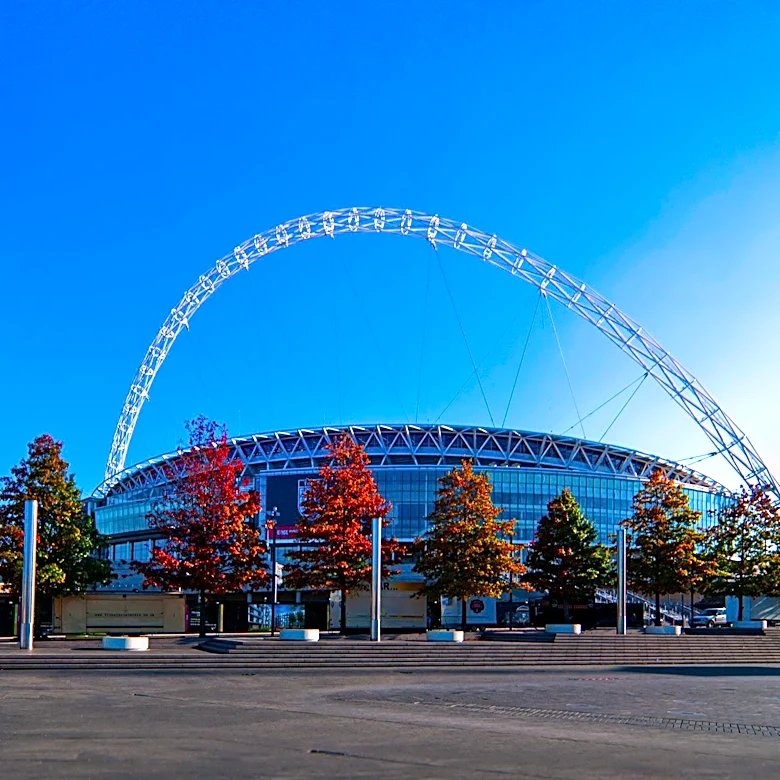
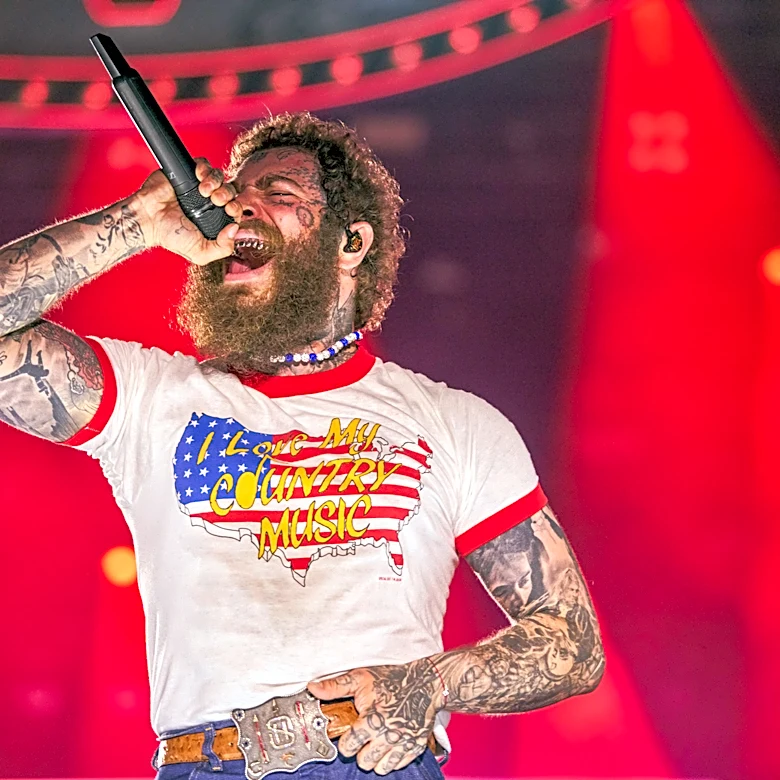
that pulls in celebrities, musicians, and designers. Unlike tournaments abroad, this one is happening in our backyard, transforming cities like Los Angeles, New York, and Miami into global block parties. The sheer scale is staggering: billions of viewers are expected worldwide, dwarfing even the Super Bowl's audience. This creates an unparalleled platform not just for the game, but for the culture surrounding it. Suddenly, global soccer icons aren't just names on a screen; they're walking into stadiums in our cities, trailed by paparazzi and dressed by the world's biggest luxury brands.
The Tunnel Is the New Runway
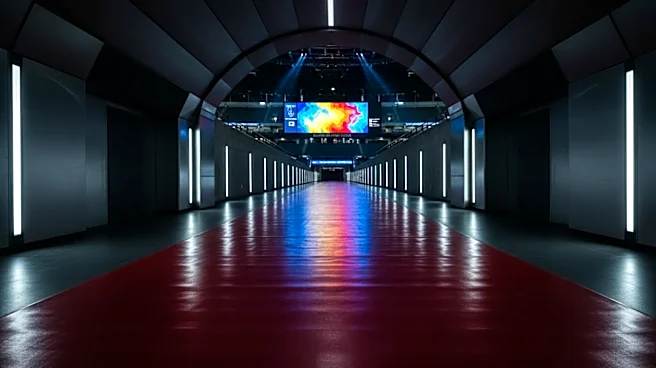
Long before the opening whistle, the main event for style-watchers is the pre-game arrival. The NBA arguably perfected this, turning the mundane walk from the bus to the locker room into a weekly fashion spectacle. Players now use this platform to debut custom looks, show off rare sneakers, and signal partnerships with high-fashion houses like Louis Vuitton, Dior, and Gucci. This trend has gone far beyond basketball. European soccer clubs have long-standing deals with brands like Fendi and Prada to outfit their players off the pitch. These moments are tailor-made for social media, where an outfit can go viral and generate as much buzz as a game-winning goal. Athletes have become powerful influencers, boasting engagement rates that often eclipse those of traditional celebrities, making them invaluable to brands.
From Endorsements to Creative Control
This evolution is also about power and ownership. The old model of a simple endorsement—wear this, get paid—has been replaced by a more sophisticated partnership. Today's star athletes are not just faces; they are brand ambassadors, collaborators, and even investors. Following the blueprint set by Michael Jordan, who built a billion-dollar empire with Nike, modern stars are demanding more creative input and equity. This shift has been accelerated by the rise of Name, Image, and Likeness (NIL) deals in college sports, which have taught a new generation of athletes to think like entrepreneurs from day one. They are launching their own media companies, investing in fashion labels, and using their platforms to build personal brands that will outlast their playing careers.
The Social Media & Celebrity Crossover Effect
Social media is the engine driving this entire convergence. Platforms like Instagram and TikTok allow athletes to build a direct relationship with fans, showcasing their personalities and style in a way that traditional media never could. This creates a powerful feedback loop: athletes post their looks, fans engage, and brands take notice. We’ve also seen how a major celebrity crossover, like Taylor Swift's association with the NFL, can bring an entirely new demographic to a sport, boosting viewership and merchandise sales. With the World Cup drawing in a casual audience that numbers in the billions, the opportunity for these crossover moments is immense. International visitors and the global media will be documenting everything, from the games themselves to the unscripted cultural encounters happening in host cities, broadcasting American life and style to the world.