

More Than Just Icy Eyeshadow
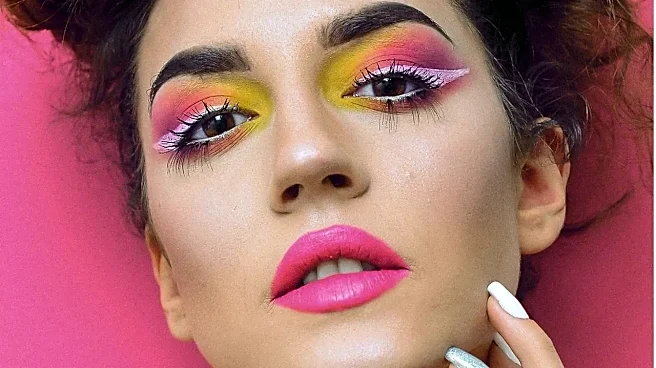
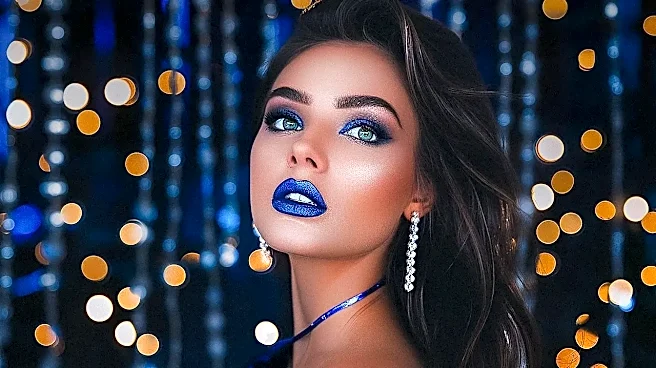
When you picture 2000s makeup, your mind likely jumps to the signatures: shimmering pastel eyeshadow, pencil-thin eyebrows, and lips lacquered in a super-sticky gloss. While those elements are essential, they were all built on a very specific canvas.
The true foundation of any professional-looking Y2K glam was the skin. Unlike today's trend of dewy, glass-like skin, the goal in the 2000s was a flawless, shine-free, almost porcelain matte finish. Celebrities on red carpets and in music videos had a perfected, velvety complexion that appeared almost airbrushed, long before digital filters became a one-tap solution. Achieving this look wasn't about finding the right foundation alone; it was about how you set it.
The Secret: Strategic Powder Application
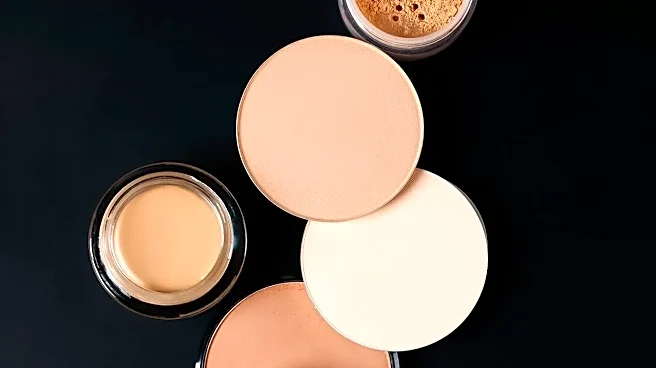
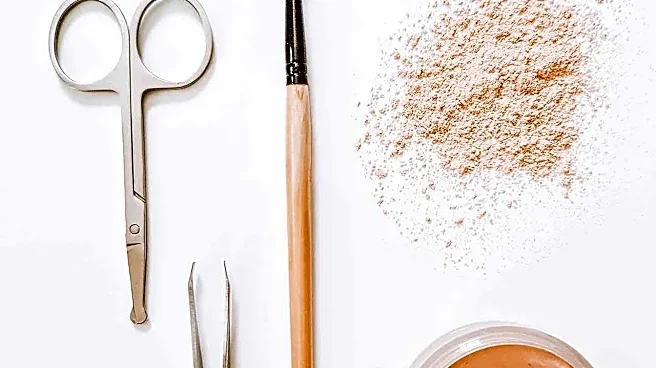
The hidden step that separates an amateur attempt from an authentic Y2K look is the heavy-handed and strategic use of powder. This wasn't just a light dusting of translucent powder to control shine. Makeup artists of the era relied on full-coverage pressed or loose powders to fundamentally alter the texture of the skin. Specifically, they would "press" or "bake" powder into the T-zone, under the eyes, and around the nose with a puff or dense brush. This technique served multiple purposes: it mattified the face for hours under hot lights, blurred the appearance of pores to create a flawless canvas, and set the concealer and foundation so they wouldn’t budge. It was the original Instagram filter, executed with a powder compact.
A Modern Guide to the 2000s Press
You don't need to find a vintage compact to make this work. Here’s how to adapt the technique today. First, apply your foundation—a satin or natural matte formula works best. After your liquid or cream concealer, take a finely milled setting powder, either loose or pressed. Instead of a fluffy brush, use a velour puff or a dense powder brush. Tap the puff into the powder, press it onto the back of your hand to work it into the fibers, and then firmly press—don't swipe—it onto your skin. Focus on the center of your forehead, the sides of your nose, and directly under your eyes and cheekbones. Let it sit for a minute before lightly dusting off any excess with a clean, soft brush. You’ll notice an immediate blurring and mattifying effect that locks everything in place.
Why This Step Defined the Look
This powdering method wasn't just a random trend; it was a technical response to the era's technology and beauty standards. Flash photography was unforgiving, and a shiny face was often seen as unflattering. The heavy powder application ensured a consistently matte finish from every angle. Furthermore, the 2000s were obsessed with a certain kind of bronzed, sun-kissed perfection, popularized by stars like Jennifer Lopez and Britney Spears. A flawless, matte base allowed the era's other key elements—shimmery bronzer, bright pink blush applied to the apples of the cheeks, and frosted highlighter—to pop without competing with skin texture or shine. By controlling the base, artists had complete command over where light would hit the face, creating a sculpted yet doll-like effect that became the decade's signature.