





The Anatomy of a Tearjerker
Before we even get to the festival, let’s talk about the ballad itself. A great ballad is an emotional blueprint. It’s often built with a slower tempo that mimics a resting heart rate, creating a sense of intimacy and calm. Lyrically, these songs tap
into universal themes: profound love, gut-wrenching heartbreak, personal struggle, and ultimate triumph. The structure is also key. A quiet, reflective verse builds to a soaring, powerful chorus, creating a release of musical tension that mirrors an emotional one. When an artist like Patti LaBelle or Maxwell holds a note that seems to last an eternity, it's not just a vocal flex; it's an auditory cue that gives your feelings permission to swell and overflow. This deliberate build-and-release is a masterful way of guiding the listener on an emotional journey, making a physical reaction like crying feel almost inevitable.
Your Brain on a Ballad
So, what's happening inside your head? It’s a complex chemical cocktail. Music is wired directly into the brain’s emotional centers, particularly the amygdala (for emotions) and the hippocampus (for memory). A specific melody or lyric can act like a key, unlocking deeply stored memories you may not even consciously be thinking about. Suddenly, the song isn’t just a song; it’s your first love, a cherished memory of a family member, or a reminder of a challenge you overcame. Furthermore, some research suggests that listening to sad music can trigger the release of prolactin, a hormone that helps curb grief and is associated with crying. In the absence of an actual tragedy, your body is left with a pleasurable, opiate-like feeling of calmness and release. This explains why the tears often feel good—a cathartic release rather than a purely sorrowful one.
The Essence Factor: A Cultural Sanctuary
A ballad at home is one thing. A ballad at the Essence Festival is another experience entirely. For decades, the festival has been more than a concert; it’s a cultural pilgrimage, often described as a “homecoming” or an “oasis” for Black women. It’s a space intentionally created to celebrate, uplift, and provide a sense of safety and renewal. In a world that often demands Black women be perpetually strong, Essence Fest is a place to “fill your cup,” to be vulnerable, and to be seen in your full humanity. When an artist sings about love, struggle, and resilience on that stage, they are singing to an audience that understands those themes on a profound, culturally specific level. The music becomes the soundtrack to a shared experience, amplifying feelings of joy, validation, and sisterhood that are the very foundation of the event.
The Power of a Crying Crowd
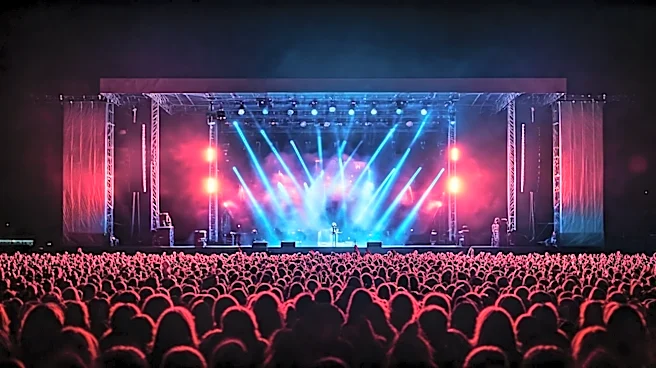
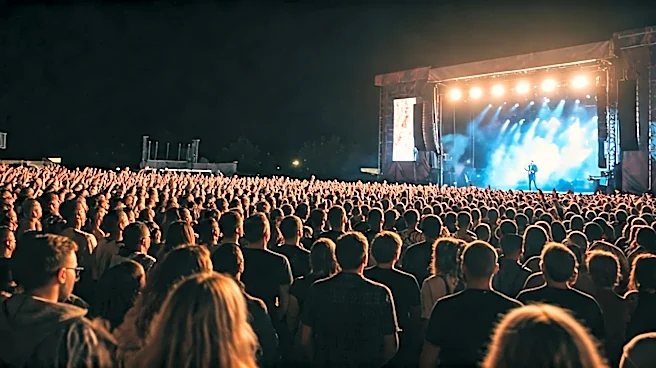
This leads to the final, crucial ingredient: the crowd. Sociologists call it “collective effervescence”—that electric, unifying feeling of being part of something larger than yourself. Crying at a concert isn’t a solitary act; it’s a communal one. When you look around and see thousands of other people—strangers who feel like family—wiping away tears to the same song, it’s incredibly validating. It says, “You are not alone in this feeling.” That shared release creates a powerful bond, transforming individual emotion into a collective, spiritual experience. The tears are no longer just about personal memories, but about a shared history, a common struggle, and a collective joy. You’re not just crying for yourself; you’re crying with an entire community that just *gets it*.