



The Ocean Is a Main Character
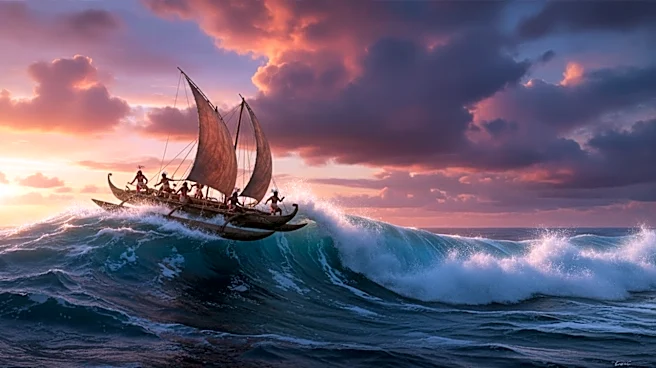
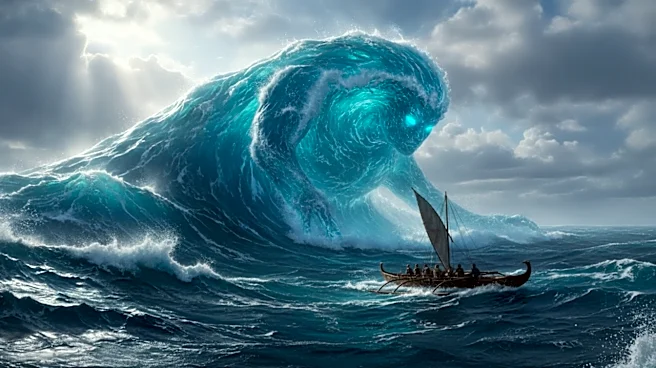
In the 2016 animated classic, the ocean isn't just the setting; it’s a fully-fledged character. It’s playful, beckoning a toddler Moana with shells. It’s determined, repeatedly depositing Moana back on her boat when she’s knocked overboard. It’s powerful,
parting to create a path to Te Fiti. The ocean has a personality, a will, and a crucial role in the narrative. It chooses Moana, guides her, and acts as her primary companion before she finds Maui. This is the central challenge for director Thomas Kail, a veteran of Broadway's 'Hamilton' making his feature film debut. More than any other Disney remake, ‘Moana’ depends on the audience believing in a non-human entity not just as a threat or an environment, but as a sentient ally. If that relationship doesn't work, the emotional core of the film collapses.
The Uncanny Valley of Water
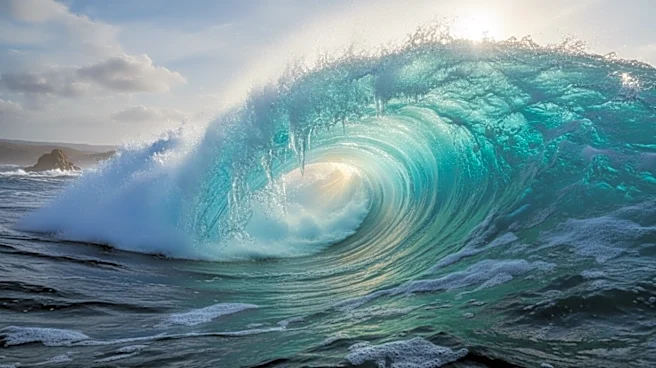
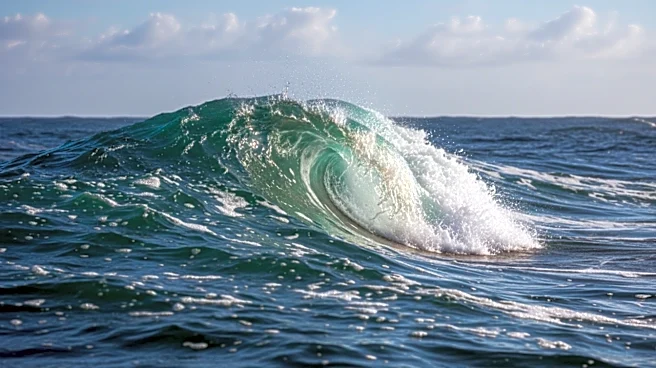
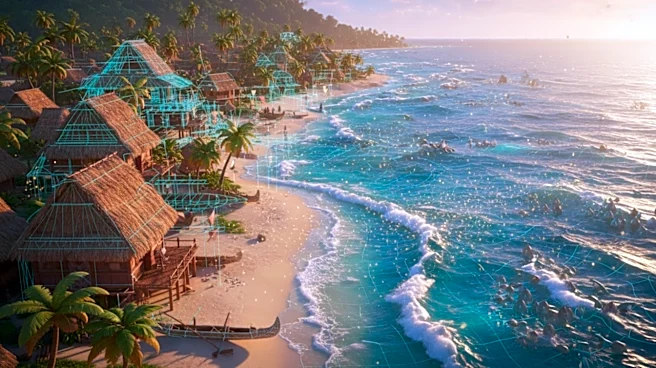
Here's the problem: we all know what water looks like. We know how it moves, splashes, and reflects light. This makes it one of the hardest substances to replicate with CGI. If the physics are slightly off—if the foam doesn't feel right, or the ripples look too uniform—our brains immediately reject it as fake. Films like 'Avatar: The Way of Water' have pushed the technology forward, requiring specialized teams to simulate everything from large-scale waves to the sub-millimeter film of water on skin. That production spent years developing tools to make its water feel real. While early reviews for 'Moana' note the visual effects are well-executed, some also point out that the CGI-heavy world can feel artificial, pulling the viewer out of the experience. For the ocean to have a soul, it must first feel like it has weight, density, and an unpredictable, natural life of its own.
Why Realism Unlocks the Magic
The magic of the animated 'Moana' is that it grounds its fantasy in a tangible reality. The ocean acts in impossible ways, but it always looks and feels like water. The genius of that animation allows for the suspension of disbelief. In live-action, that trick is much harder. The filmmakers can't just create a magical water-blob; it needs to be the sea we recognize, but with intention. Director Thomas Kail has spoken about the desire to make things feel "tactile," to capture the "dirt, the sweat, the sand, the water" to ground the story. This instinct is correct, because it’s the only way the ocean’s character can function. We can only accept the magical, personified wave that high-fives Moana if the billions of droplets that form it behave with convincing physics right up until the moment they don't. Without that foundation of realism, the magic feels like just another special effect, rather than the action of a living character.
Bigger Than The Rock and a New Star
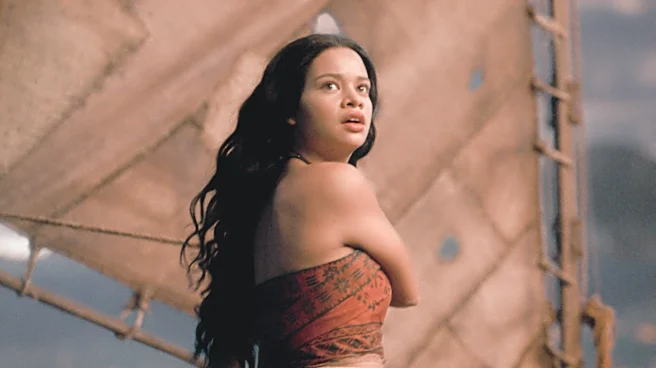
Much of the conversation around the remake has focused on its human stars. Dwayne Johnson is reprising his role as Maui, a character he famously based on his own grandfather, and Australian newcomer Catherine Lagaʻaia is stepping into the title role. While their chemistry is essential, the film's ultimate success may rest on the shoulders of the visual effects department. Critics have praised Lagaʻaia's performance while some have found Johnson's to be less energetic than his voice work. But even perfect casting can't save the film if its third lead, the ocean, doesn't feel alive. The line between a breathtaking fantasy and a distracting, uncanny mess is incredibly fine. When audiences sit down to watch 'Moana,' they won't just be watching the actors; they'll be watching to see if Disney’s artists have truly managed to tame the sea.