




More Than Just a Day at the Races
First, let's set the scene for those of us stateside. Royal Ascot is not the Kentucky Derby. While both involve horses, fancy hats, and day drinking, Ascot is a historic British institution deeply intertwined with the Royal Family. Founded in 1711 by Queen
Anne, it’s one of the cornerstones of the English social 'season.' For five days, high society descends upon the Berkshire countryside for top-tier racing, but the real sport for many is navigating the labyrinthine social codes. The King and Queen arrive each day in a horse-drawn carriage procession, reinforcing that this is their party, and attendees are guests. That context is everything. You aren't just showing up to an event; you are participating in a tradition, and the dress code is your ticket to entry.
The Unforgiving Rules of the Game
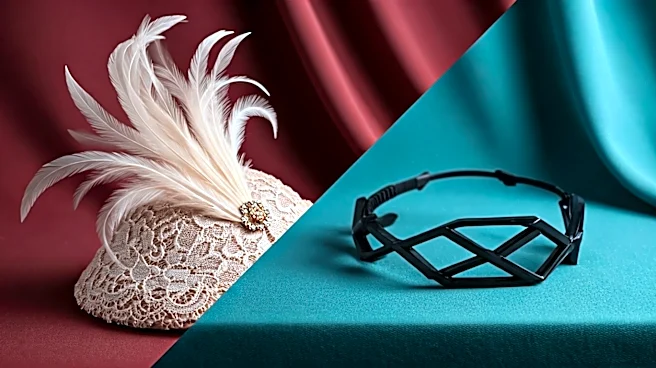
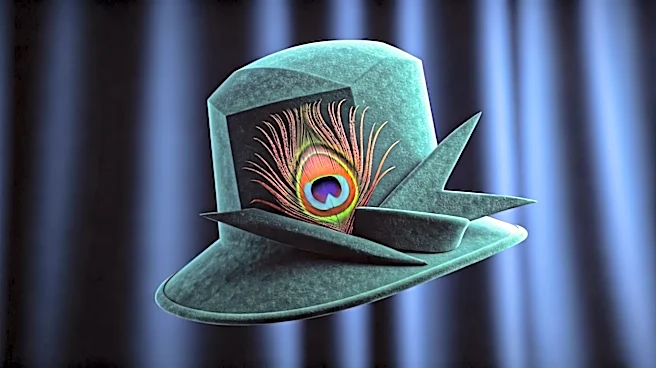
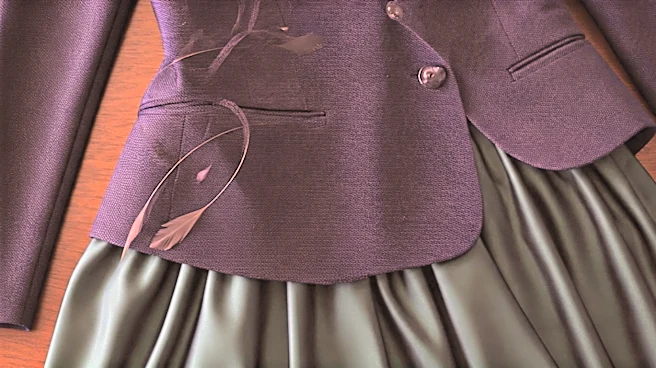
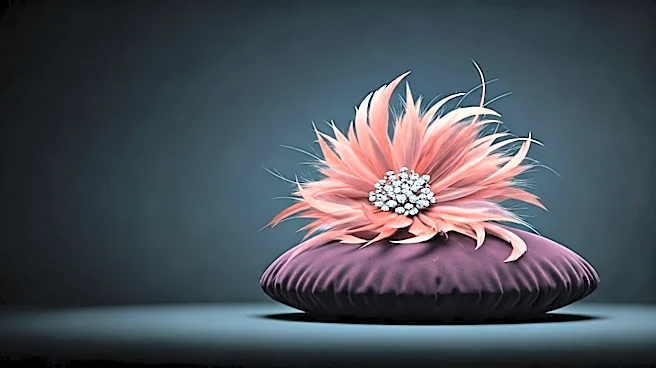
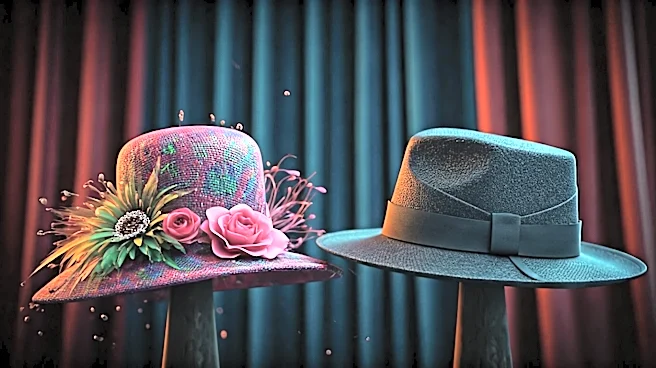
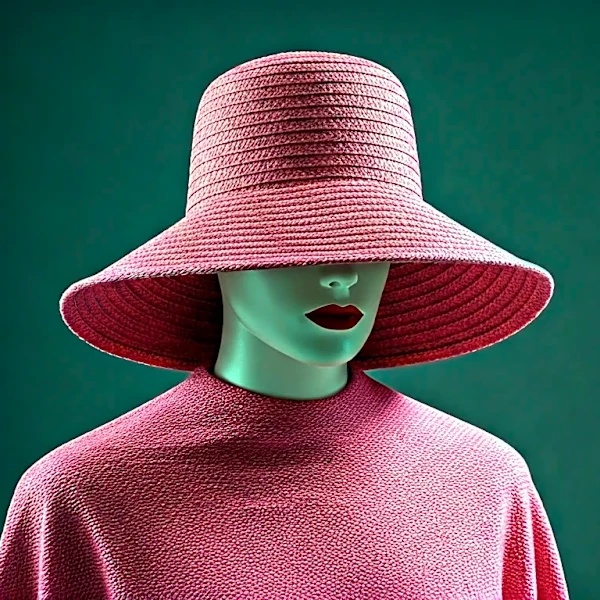
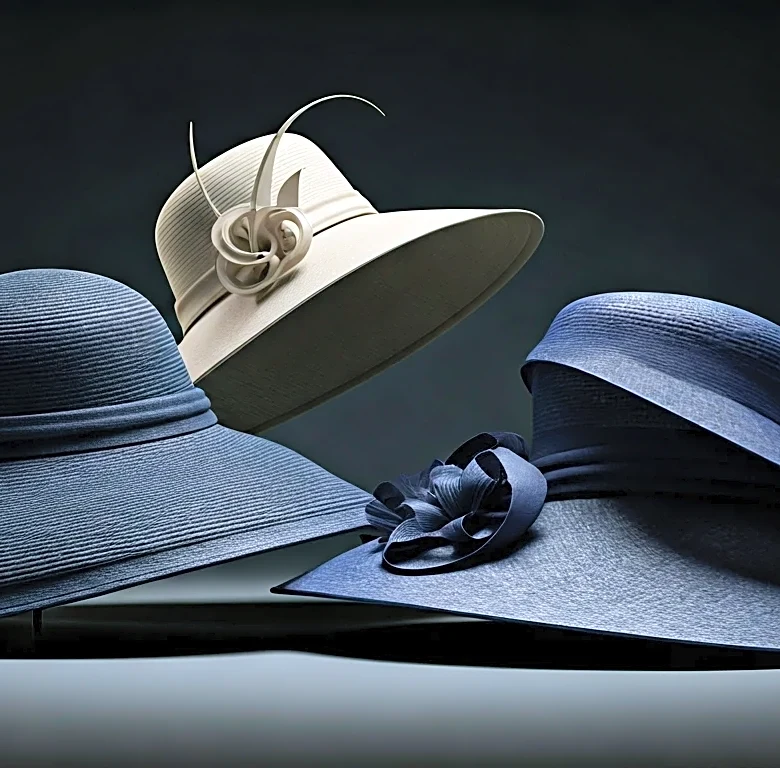
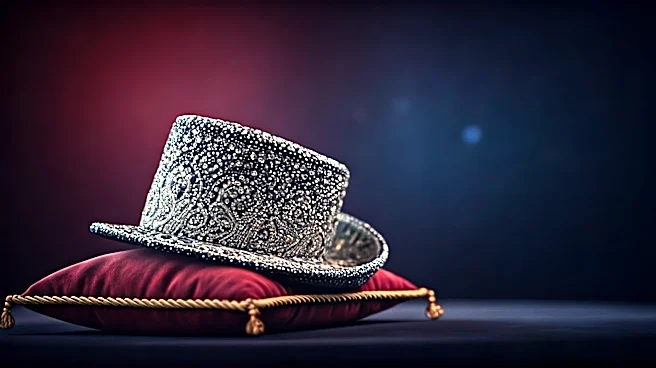
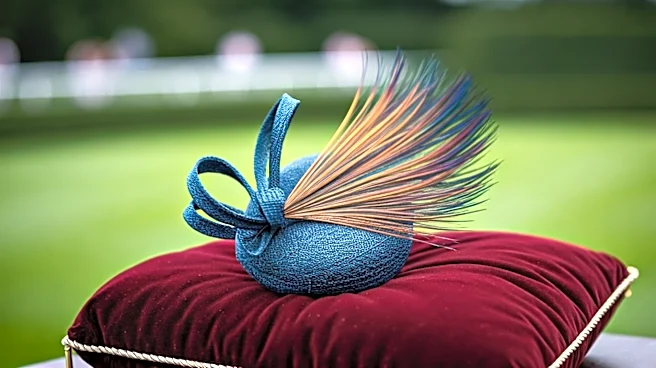
Unlike the Met Gala, where the 'theme' is a creative suggestion, the Royal Ascot dress code is a set of rigid, non-negotiable directives, especially in the most exclusive Royal Enclosure. For women, dresses and skirts must be of 'modest length,' defined as falling just above the knee or longer. Straps on dresses must be at least one inch wide—no spaghetti straps, halter necks, or strapless styles allowed. Trousers are permitted, but they must be full-length and of matching color and material to a corresponding jacket. And the hats? They are mandatory. A fascinator, the smaller, clip-in headpiece popular at many weddings, is explicitly banned. A proper hat must have a solid base of at least four inches in diameter. For men, it’s a black, grey, or navy morning suit—essentially, tails—complete with a waistcoat, tie (no bow ties or cravats), and a top hat, which can only be removed in specific, designated areas. These aren't guidelines; they're laws enforced by 'style police' at the gates.
Costume vs. Code: The Crucial Distinction
Here’s where the lesson clicks into place. A costume is designed for individual expression, fantasy, and grabbing attention. It’s about standing out. Think of a Halloween party or a Comic-Con convention. The goal is to be looked at, to embody a character or an idea that is separate from yourself. But a dress code, especially one as prescriptive as Ascot’s, is about the opposite: it's about fitting in. Its purpose is to create a uniform, elegant tableau where no single person’s outfit screams for attention over the whole. It signals respect for the institution, the occasion, and the hosts (in this case, the Crown). When someone gets the Ascot dress code wrong—a skirt that’s too short, a fascinator instead of a hat—they haven't just made a fashion faux pas. They’ve fundamentally misunderstood the assignment. They've treated a formal gathering as a costume party, prioritizing individual spectacle over collective harmony.
The Unspoken Language of Formality
In a world of increasingly casual attire, Royal Ascot serves as a living museum of sartorial language. The dress code isn't just a barrier to entry; it's a shared vocabulary. Following it demonstrates that you understand the context and are willing to participate in its traditions. It’s a form of social fluency. Breaking the code, intentionally or not, is like shouting in a library. It disrupts the environment and shows you either don't know the rules or don't care to follow them. This isn't about stifling creativity. In fact, stylists and attendees often speak of the creative challenge of expressing personal style *within* such tight constraints. The goal is to look chic, modern, and individual while respecting every single rule. It’s a subtle art. A costume is a monologue, delivered to a crowd. A dress code is a conversation, where everyone has agreed to speak the same language.