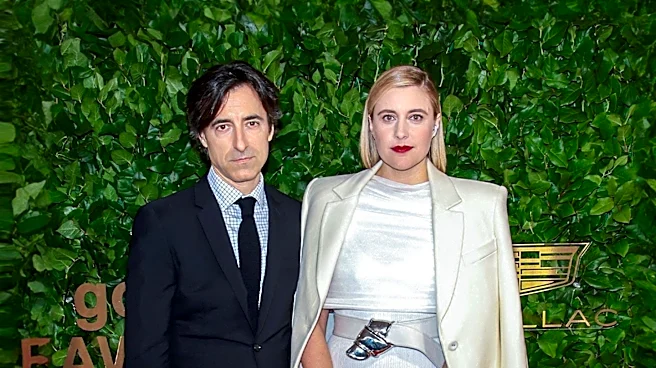




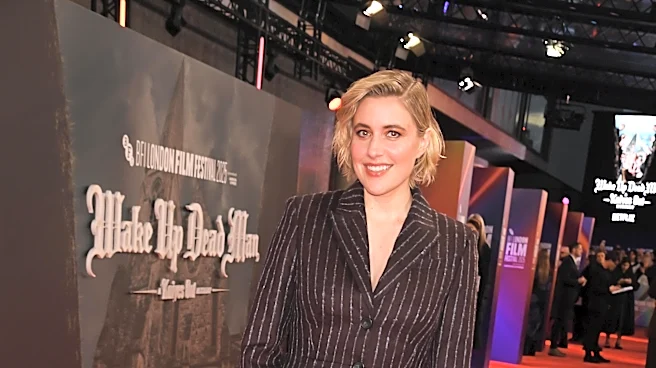
With Greta Gerwig set to adapt C.S. Lewis’s Narnia starting with 'The Magician’s Nephew,' all eyes are on how the 'Barbie' director will tackle the lore. The key might just be the magical rings that started it all, and how they could redefine the rules.
The Original Portal-Fantasy Blueprint
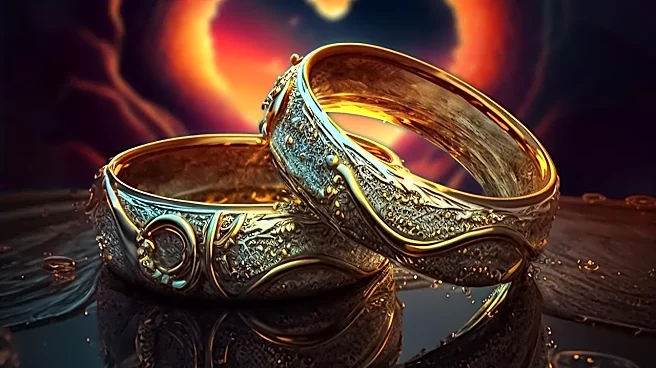
In the world of portal fantasies, the door is usually straightforward: a wardrobe, a rabbit hole, a train platform. They are A-to-B transit. C.S. Lewis broke that mold in 'The Magician's Nephew.' His magical rings, one yellow and one green, don't just take you to another world; they take you to a nexus of all worlds. The yellow rings pull the wearer into the Wood Between the Worlds, a quiet, dreamlike forest dotted with pools of water. Each pool is a potential doorway to a different universe. To travel to a new world, you need a green ring. It’s a two-step verification for interdimensional travel. This makes the rings more than a simple plot device. They introduce themes of choice, consequence, and the quiet, unnerving responsibility that comes with holding a key to everywhere.
Enter the Gerwig Lens
Greta Gerwig’s films are less about plot mechanics and more about human messiness. Whether it’s the overlapping, fast-paced dialogue in 'Little Women' or the quotidian anxieties of 'Lady Bird,' her focus is on interior life. She builds her stories like a 'honeycomb,' where individual moments and character beats are interconnected and given immense weight. After 'Barbie,' we know she isn't afraid to deconstruct the very IP she’s adapting, asking what it means to be a woman, an author, or in this case, a hero. She finds the epic in kitchens, not just battlefields. Her films consistently elevate female characters, exploring their ambitions, fears, and relationships with an honesty that makes them feel utterly real, regardless of the time period. This is the sensibility she's bringing to Narnia.
From Plot Device to Character Test
So, what happens when Gerwig’s character-first approach meets Lewis’s magical rings? They likely transform from a fantastical mode of transport into a profound test of character. In her hands, the choice of which pool to jump into in the Wood Between the Worlds won't be random. It will be a manifestation of the user's deepest desires, fears, and moral failings. Think less 'magical subway system' and more 'magical Rorschach test.' Digory’s temptation to ring the bell and awaken Jadis in the dead world of Charn is already a pivotal character moment in the book. Gerwig can expand this, making every interaction with the rings a reflection of the characters’ inner states. The journey is no longer just about where you go, but why you wanted to go there.
Reshaping Jadis, Polly, and the Narrative
This reframing of the rings has the power to re-center the entire story. While 'The Magician’s Nephew' is ostensibly Digory's tale, Gerwig’s filmography suggests she’ll find fertile ground in its female characters. For Polly Plummer, who is tricked into being the first test subject, the rings represent a violation and a sudden, terrifying loss of agency. For Jadis, the future White Witch, they are an escape route from her self-inflicted apocalypse and a tool for conquest. Gerwig excels at exploring the complexities of female ambition and rivalry, like with Jo and Amy March. She could frame the story around the collision of these two women, with Digory caught between them. The rings become the catalyst not just for Narnia's creation, but for a deeply personal drama about power, temptation, and the consequences that ripple across worlds.