






From Fireside Chats to Podcast Feeds
Before podcasts, there was radio—the original mass-market audio medium. For decades, it was the only way to hear stories, news, and personalities live in your home or car. Radio created appointment listening, turning hosts into household names and building
entire genres from scratch, from serialized dramas to talk shows. This history is more than just trivia; it’s the blueprint iHeartMedia is now using to navigate the podcasting universe. The core elements that made radio a cultural force—charismatic hosts, compelling storytelling, and a loyal audience—are the very same ingredients that make a podcast successful today. iHeart, with its roots stretching back to Clear Channel's dominance, understands how to cultivate audio talent and build an audience better than almost anyone.
The Playbook: Old Rules, New Game
iHeartMedia's strategy isn't to fight podcasting, but to absorb it into its massive audio ecosystem. The company operates over 860 broadcast stations across the U.S., giving it an enormous, built-in promotional machine that digital-native competitors lack. When iHeart wants to launch or promote a podcast, it can advertise it for free across its own radio waves, converting its vast listenership into new podcast subscribers. This creates a powerful flywheel: radio's reach drives podcast discovery, and the success of those podcasts generates new digital advertising revenue. The company positions itself to advertisers as a one-stop shop for all audio, bundling broadcast radio ads with podcast placements to maximize reach and impact. It’s a strategy of intentional evolution, using its legacy assets to fuel its future growth engine.
More Than Just Another Awards Show
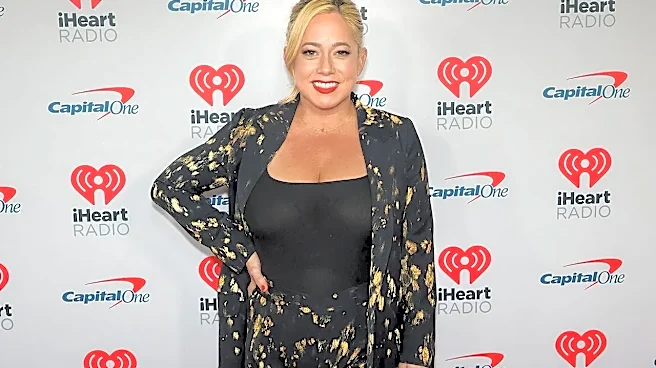
Founded in 2019, the iHeartPodcast Awards are the most visible part of this strategy. Held annually and integrated with major cultural events like SXSW, the awards serve multiple purposes. First, they legitimize the podcasting industry by giving it a glamorous, mainstream platform, complete with celebrity hosts and presenters. Second, they cement iHeart's position as a central and indispensable player in the podcasting world. By honoring shows from across the industry—not just its own—iHeart becomes a tastemaker. Finally, the event itself is a valuable piece of content, broadcast across iHeart radio stations and its app, creating a feedback loop of promotion. Icon awards given to pioneers like Terry Gross of NPR's "Fresh Air" and innovators like Hrishikesh Hirway of "Song Exploder" explicitly bridge the gap between respected broadcast traditions and the new digital frontier.
The Future of Audio is a Hybrid
The line between radio and podcasting is becoming increasingly blurry, and that’s by design. Radio shows like "The Breakfast Club" are nominated for Podcast of the Year, while podcast hosts become nationally recognized personalities. Many radio programs are now repurposed as on-demand podcasts, extending their shelf life and reaching new audiences who don't listen live. iHeartMedia is betting that the future isn’t radio versus podcasts, but a seamless audio experience where users don't distinguish between the two. The company is even investing in video podcasting, further evolving the format. By owning the means of production, promotion, and celebration, iHeart isn't just adapting to the on-demand era; it's actively shaping it in its own image, ensuring its dominance in the audio landscape for years to come. The awards are less a competition and more a coronation of an audio empire that spans both worlds.