


Anatomy of the Formula
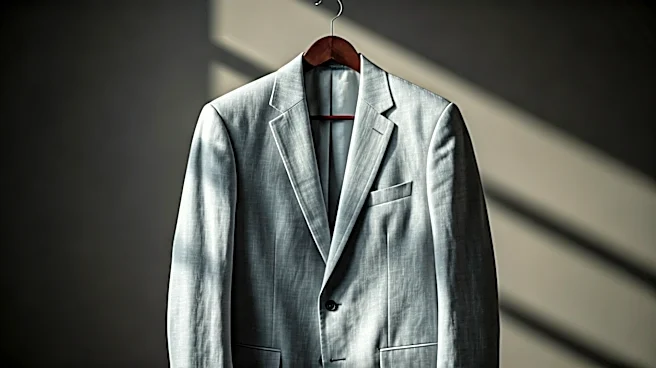
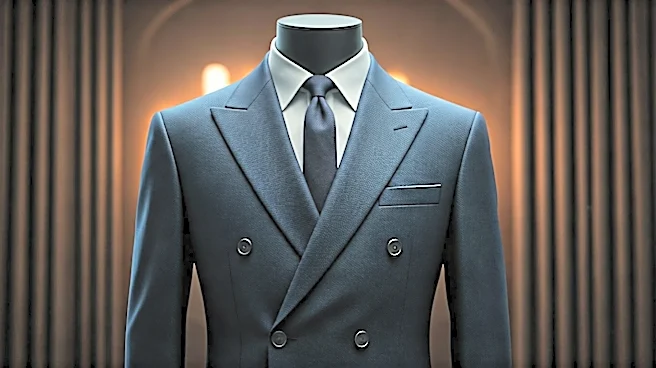
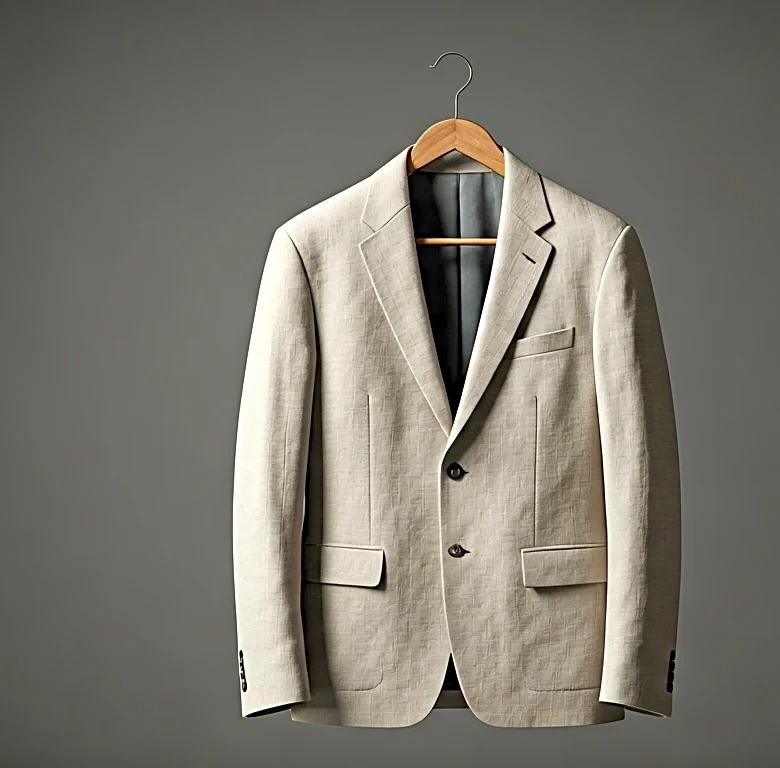
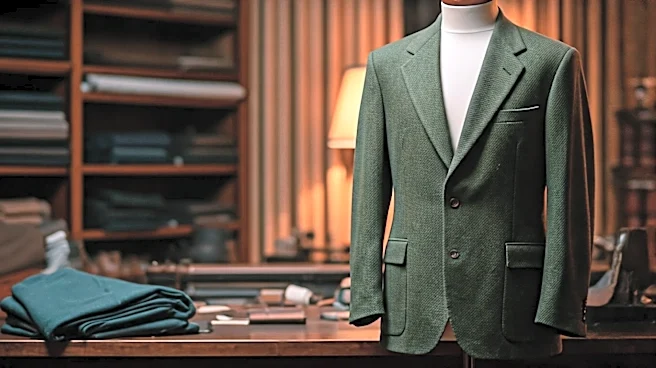
First, let’s be clear what we’re talking about. This isn’t the rigid, armor-like double-breasted blazer of 1980s Wall Street. The Pitti Uomo version is its relaxed, sophisticated Italian cousin. The jacket itself is almost always soft-shouldered and often
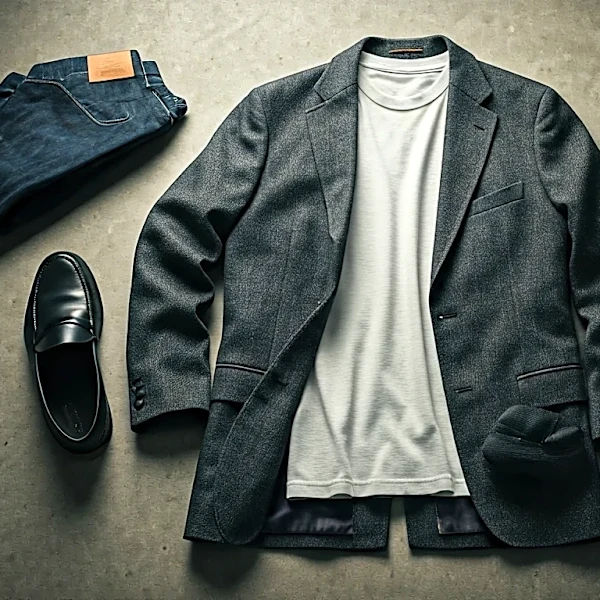
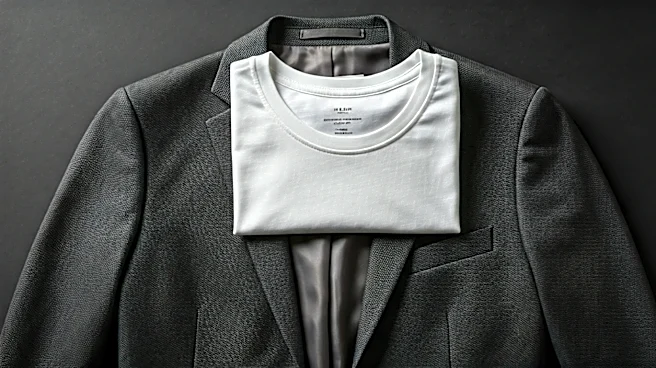
unlined, giving it the comfortable drape of a cardigan. It’s typically cut from linen, cotton, or a lightweight wool, fabrics that move with the wearer. The crucial element is how it’s styled: not as part of a formal suit, but as a separate piece. It’s thrown over a simple crewneck t-shirt, a knit polo, or an open-collared shirt. Instead of matching trousers, you’ll see it paired with crisp white denim, tailored chinos, or pleated linen pants. The final touch is the footwear—suede loafers, minimalist sneakers, or driving moccasins, almost always worn sockless. It’s a uniform, but one that allows for endless personal variation.
The Art of Studied Carelessness
To understand the appeal of this look, you have to understand the Italian concept of *sprezzatura*. Coined in the 16th century, it describes a kind of studied nonchalance—the art of making something difficult look effortless. This outfit is the modern embodiment of sprezzatura. Buttoning only one button of the blazer (or leaving it open entirely), the slightly rumpled linen, the casual pairing of tailoring with a t-shirt—it all projects an image of a man who understands the rules of classic style so well that he knows exactly how to break them. It’s confidence made tangible. In a world saturated with overly curated, perfect-looking social media feeds, this look feels authentic and human. It suggests a man who is comfortable in his own skin and isn’t trying too hard, which is, ironically, the most stylish thing of all.
Bridging Formality and Comfort
The post-pandemic world accelerated a trend that was already underway: the complete collapse of traditional dress codes. Men today need clothes that can navigate a landscape where the office might be a coffee shop and a business meeting might be followed by a casual dinner. This double-breasted blazer formula is the perfect solution. It’s a sartorial bridge. The blazer itself signals respect for tradition and an appreciation for tailoring, making it appropriate for more formal settings. But its soft construction and casual pairings ensure total comfort and prevent it from ever looking stuffy. It solves the modern man’s dilemma: how to look sharp without feeling constricted. It’s a step up from a chore coat or a bomber jacket but far more versatile and relaxed than a full suit, occupying a powerful middle ground that has become the new default for stylish dressing.
A Rejection of Fleeting Trends
Pitti Uomo is famous for its “peacocks”—attendees dressed in loud, trend-driven outfits vying for the attention of street-style photographers. The endurance of the casual double-breasted blazer stands in quiet opposition to this cycle. Its repeated appearance isn’t a sign of creative stagnation; it’s a statement of confidence in timelessness. While other trends come and go with the seasons, this formula relies on classic proportions and proven combinations. It’s an investment in a silhouette that has looked good for decades and will continue to look good for decades to come. By returning to this look year after year, the men of Pitti are subtly arguing that true style isn't about chasing the next new thing. It’s about understanding what works and wearing it with conviction. It’s a vote for longevity over novelty, a principle that feels more relevant than ever.