




The Ghost in the Room: Michael Myers
Let’s start with the obvious: John Carpenter's 1978 masterpiece, 'Halloween'. While not the very first slasher film, it was the one that created the modern template and became a box office phenomenon. Made on a shoestring budget, its incredible success
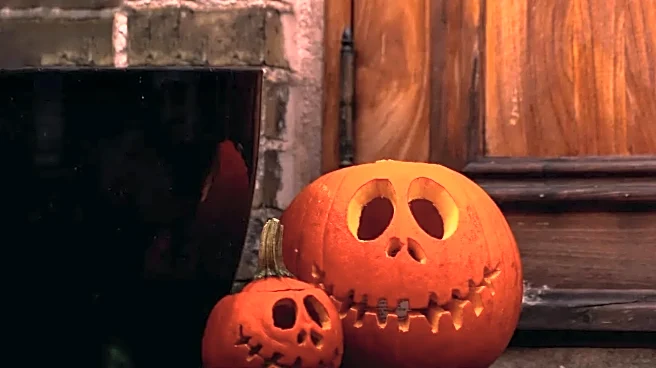
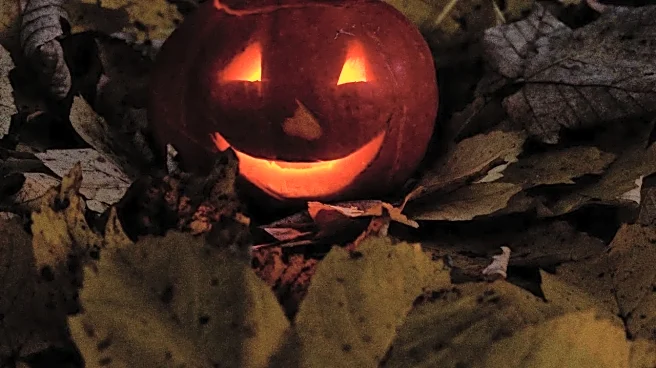
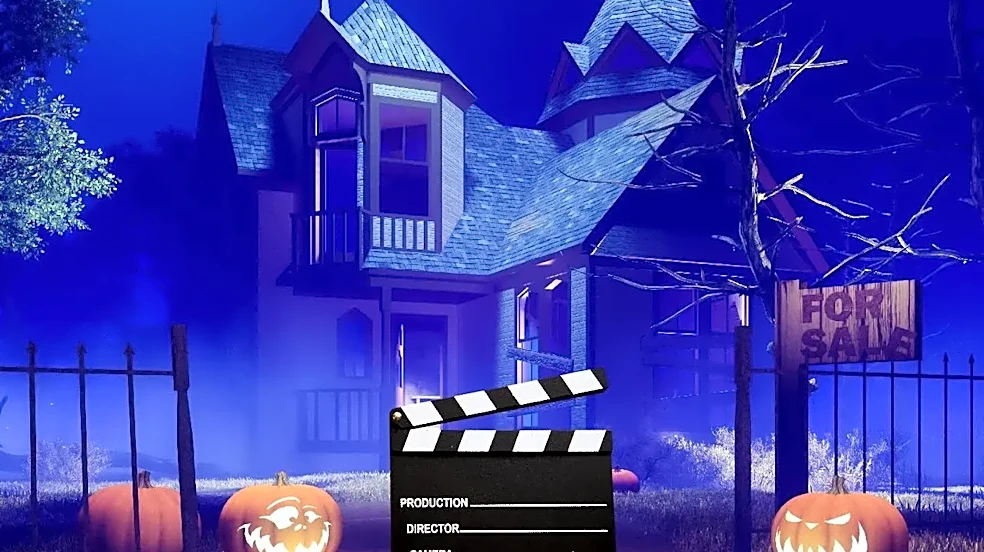
proved that a story explicitly tied to the holiday could be a massive commercial hit. 'Halloween' didn't just tell a scary story; it wove its terror into the very fabric of a suburban October night, complete with rustling leaves and jack-o'-lanterns. This created a powerful association in the minds of audiences and, more importantly, studio executives. A blueprint was born: set a horror movie in the fall, release it in October, and capitalize on the built-in seasonal anticipation.
Autumn's Built-In Atmosphere
Long before movies existed, autumn was already telling a horror story. It's a season of beautiful decay. The vibrant leaves are dying, the days are getting shorter, and a pervasive chill creeps into the air. This natural atmosphere is a gift to filmmakers, providing a backdrop rich with symbolism and mood. Themes of decline, death, and the passage of time are central to many horror narratives, and the fall landscape echoes them perfectly. The crisp crunch of leaves underfoot can sound like footsteps, the early dusk cloaks everything in shadow, and the bare, skeletal branches of trees create an instant sense of unease. The setting does half the work, priming the audience for fear before the killer even appears.
Echoes of Ancient Traditions
The connection between October and the supernatural is ancient. The holiday we know as Halloween has murky origins, but it's linked to the Celtic festival of Samhain. This festival marked the end of the harvest and the beginning of winter, a liminal time when the boundary between the world of the living and the Otherworld was believed to become thin. It was a time when spirits, both benevolent and malevolent, could cross over. This deep-seated cultural folklore, passed down through generations, provides a rich tapestry for storytellers. Slasher films tap into this primordial fear of what walks in the darkness during this specific time of year, updating ancient ghouls with modern-day bogeymen.
A Self-Fulfilling Prophecy
Once 'Halloween' lit the fuse, a feedback loop was created. Audiences began to expect horror movies in October, and studios were more than happy to oblige, recognizing a reliable seasonal business model. The month became a designated slot for the genre's biggest releases, just as romantic comedies cluster around Valentine's Day. This commercial reality reinforced the cultural connection. Brands got in on the action, with Halloween-themed marketing campaigns becoming a massive retail event. Streaming services like Netflix even curate annual '#NetflixAndChills' lists, guiding viewers toward a month-long fright fest. What started with one film's setting has become a full-blown cultural and commercial phenomenon, where October without slashers feels as wrong as summer without blockbusters.