




The Primal Power of 'The Shape'
The enduring terror of the 'Halloween' franchise begins and ends with Michael Myers. In John Carpenter's 1978 original, he isn't a character; he's a force of nature referred to in the script as 'The Shape'. This was a stroke of genius. Unlike Freddy Krueger
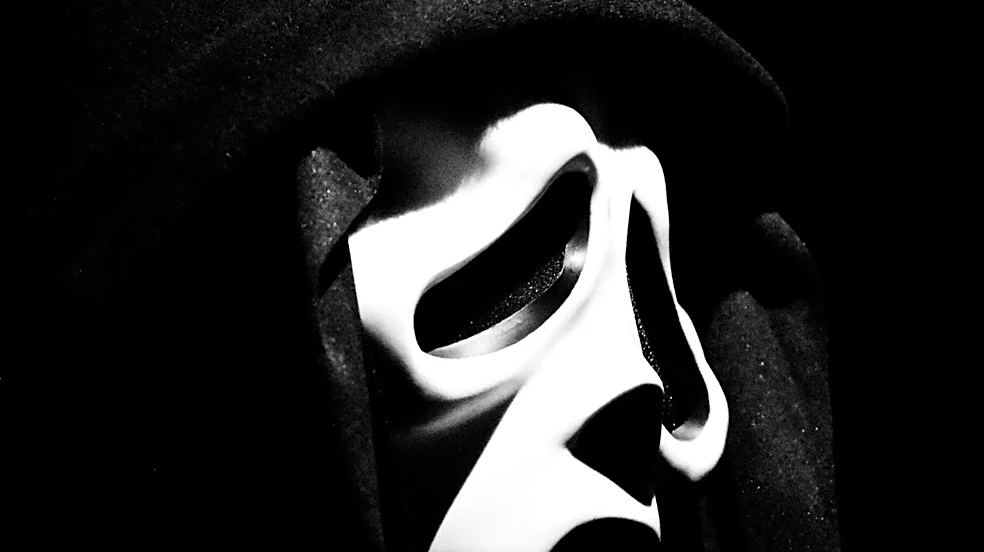
or Jason Voorhees, the original Michael had no discernible motive. He wasn't seeking revenge or punishing teens for their vices. He just... was. This abstraction is what makes him so terrifying and timeless. The blank, white mask, which was famously a modified Captain Kirk mask, strips him of all humanity. It turns him into a walking embodiment of pure, motiveless evil, allowing each viewer to project their own deepest fears onto him. Every sequel that has tried to explain his origins or motivations has, in some way, diluted that power. But the core concept of a relentless, inescapable boogeyman is so potent that fans return, hoping to recapture that original, simple fear.
The Unforgettable Sound of Dread
You can't discuss 'Halloween' without humming the theme. Composed by John Carpenter himself, the iconic score is as crucial to the film's identity as the mask. Carpenter used an unusual 5/4 time signature, a simple yet off-kilter piano melody that immediately sets the audience on edge. It’s a sound that signals dread and has become Pavlovian for horror fans. The music doesn't just accompany the scares; it creates them, building suspense in quiet moments and turning a simple shot of a suburban street into a landscape of imminent danger. The score is a masterclass in minimalist horror, proving that atmosphere can be far more unsettling than a jump scare. Its ability to evoke a specific feeling of autumn and anxiety is so powerful that it has become intertwined with the season itself, drawing audiences back to the theater for a dose of that specific, musically-induced thrill.
The Archetypal 'Final Girl'
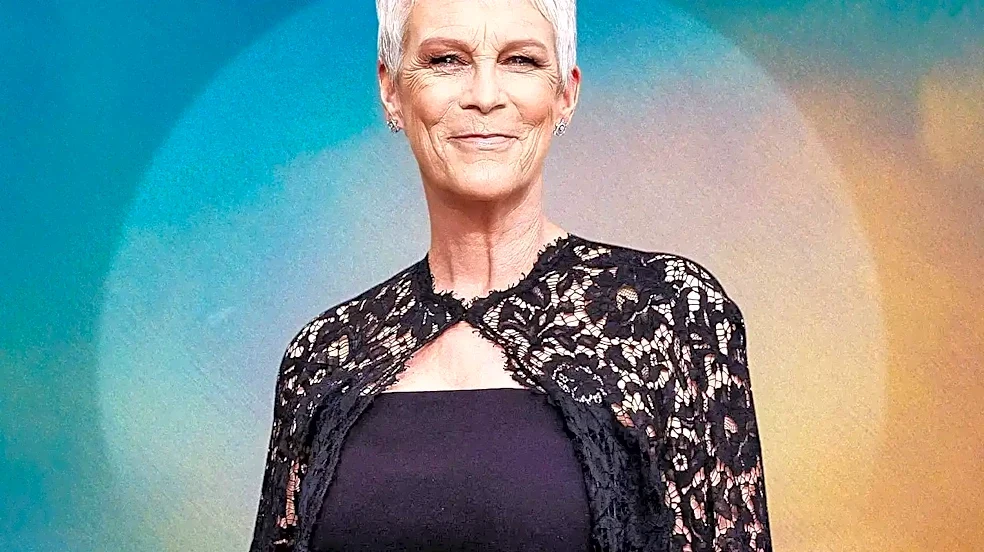
While Michael is the monster, Laurie Strode is the heart. As portrayed by Jamie Lee Curtis, Laurie established the template for the 'final girl' trope in slasher films. She wasn't just a victim-in-waiting; she was resourceful, intelligent, and resilient. Unlike her friends, she possessed a caution and moral fortitude that, in the grammar of slasher films, made her worthy of survival. The franchise's most successful entries are the ones that focus on her story. Her journey from a terrorized teenager in 1978 to a traumatized, prepared survivor in later installments provides a powerful emotional anchor. Audiences don't just come back to see Michael; they come back to see Laurie fight him. Her evolution has added a layer of depth and legacy to the series, exploring themes of trauma and survival that resonate far beyond a simple scary movie.
A Communal Halloween Ritual
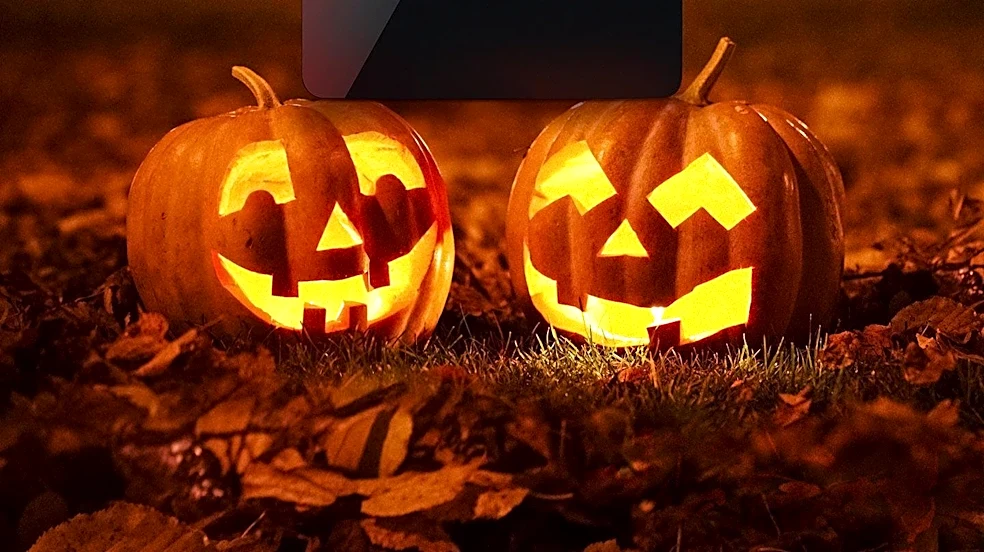
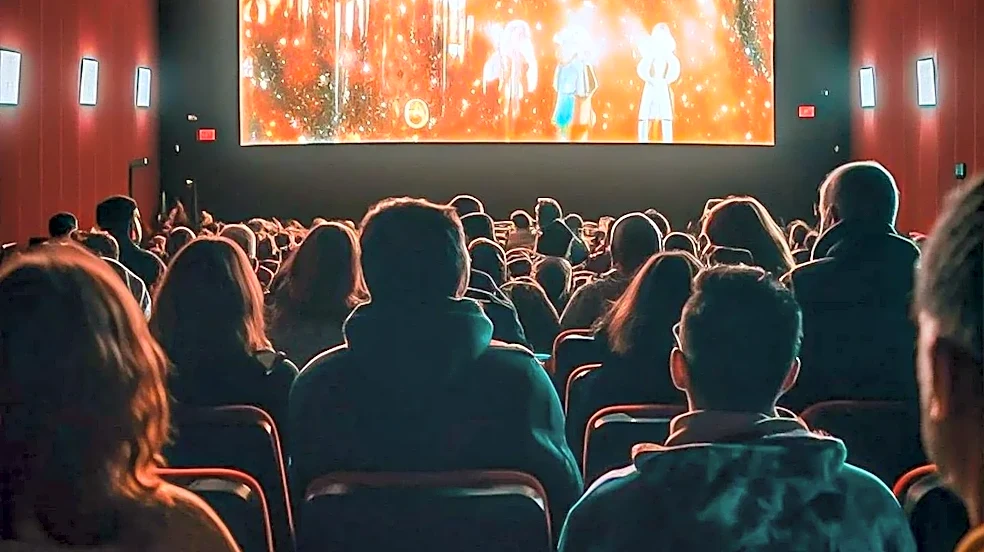
Ultimately, returning to 'Halloween' in theaters is about more than just the film itself; it's a shared cultural experience. Seeing a horror movie in a packed theater offers a unique form of catharsis. The shared gasps, jumps, and screams create a sense of community. Psychologists suggest that consuming scary entertainment in a safe environment can be an enjoyable way to experience a thrill and process fear. The franchise is inextricably linked to the Halloween season. For many, going to see the latest installment has become as much of a holiday tradition as carving pumpkins. This ritualistic aspect transforms the viewing from a passive activity into an active participation in a seasonal event. It's a chance to escape into a familiar world of fear with a crowd that's there for the exact same reason: to collectively face the boogeyman and, for a couple of hours, enjoy being scared together.