




The Architect of Modern Desire
To understand the split, you have to go back to the '90s. When Tom Ford took the helm at a nearly bankrupt Gucci, fashion was steeped in the languid, anti-glamour of grunge. Ford torched it all. He injected the industry with a high-octane dose of sex,
power, and unapologetic gloss. His vision was cinematic: models with slicked hair, clothes that clung to the body, and ad campaigns (shot by collaborators like Mario Testino and Carine Roitfeld) that famously blurred the line between fashion and pornography. He didn't just sell clothes; he sold an entire attitude of confident, almost predatory, hedonism. For a generation of consumers and editors starved for glamour, it was intoxicating. He single-handedly made Gucci the hottest brand on the planet, defining the look of an era and proving that a strong, centralized creative vision could resurrect a sleeping giant.
The Unwavering, Unforgiving Perfectionist
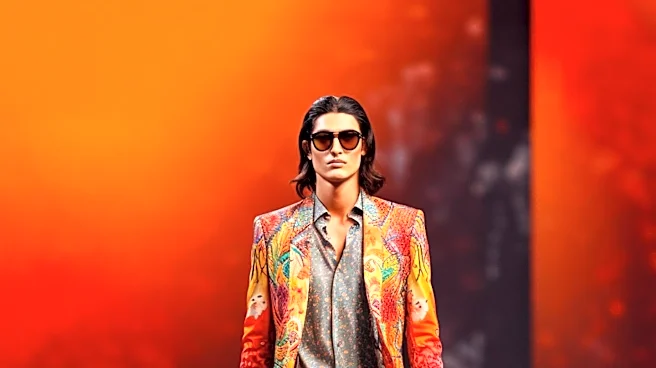
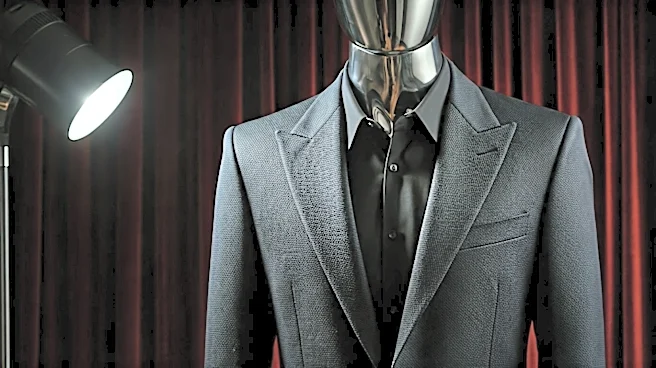
This is where the admiration begins to curdle for some. Ford’s greatest strength—his unwavering, hyper-specific aesthetic—is also his most critiqued attribute. The Tom Ford 'uniform' is legendary: the sharp-shouldered blazer, the perfectly unbuttoned shirt, the smoldering gaze. It’s a look he perfected on himself and has replicated across his brand for decades. While his disciples see this as the hallmark of a true auteur, many critics and industry observers see it as a creative cul-de-sac. The complaint is that while the world changed, the Tom Ford woman and man remained frozen in a state of glossy, late-90s perfection. In an industry that fetishizes the 'new,' his refusal to radically evolve has been interpreted by some as a lack of new ideas, a vision so controlled it leaves little room for surprise or vulnerability.
The Billion-Dollar Brand Builder
While fashion critics debated his creative evolution, the business world was taking notes. Ford is, above all, a master marketer and brand architect. He understood, earlier than most, that the real money in modern luxury wasn't just in couture gowns but in accessible entry points. After leaving Gucci Group (which by then included Yves Saint Laurent), he launched his own brand with a focus on two things: beauty and eyewear. He knew a $58 lipstick or a $400 pair of sunglasses could deliver the 'Tom Ford' fantasy to millions who could never afford a $5,000 suit. This commercial savvy is revered on the business side of the industry. He built a multi-billion-dollar empire not on fleeting trends, but on a bankable, aspirational aesthetic. This pragmatism splits the industry down the middle: is he a pure creative, or a brilliant commercial strategist who uses design as his primary tool?
An Analog Idol in a Digital World
Ultimately, the core tension lies in how Ford's slick, top-down approach fits into today's culture. His world is one of private jets, velvet ropes, and an exclusive, unattainable glamour. It's a fantasy built for a pre-social media age. The current fashion landscape, however, prizes authenticity, inclusivity, sustainability, and a more democratized conversation. The flawless, often exclusionary, world of Tom Ford can feel out of step with a generation that prefers relatability over untouchable perfection. His unapologetic embrace of sensuality, once revolutionary, has also been re-examined through a modern lens, with some finding his famous 'porno chic' ads a relic of a less enlightened time. He represents a form of luxury that is polished and pristine in an era that has learned to love the messy and the real.