




The Simple Math of Cost-Per-Wear
Let’s start with the basic, almost brutally simple, math. You buy a trendy, fast-fashion blazer for $70. It looks great for a few wears, but the fabric starts to pill after a month, and the seams look stressed after a few cleanings. You wear it maybe
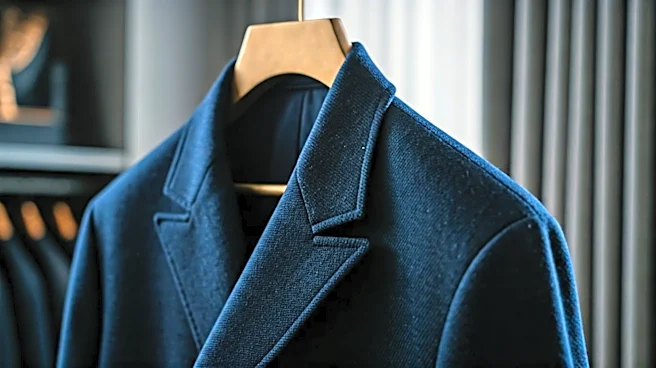
15 times over a year before it’s relegated to the back of the closet, looking tired and dated. Your cost-per-wear is $4.67. Now, consider the investment: a “museum-quality” blazer for, say, $900. The price feels astronomical in comparison. But this blazer is different. It’s made from durable wool, lined with silk, and cut so perfectly it feels custom-made. It’s a timeless silhouette that doesn’t bow to fleeting trends. You wear it twice a week for nine months of the year for the next decade. That’s 720 wears. Suddenly, your cost-per-wear plummets to $1.25. The expensive blazer isn’t just an indulgence; it’s an asset. It's a shift from thinking about 'how much does this cost now?' to 'how much value will this provide over time?'
The Wardrobe-Multiplying Effect
A truly great blazer isn’t just another item of clothing; it’s the skeleton key to your entire wardrobe. It’s the piece that pulls everything else together, elevating basics and making disparate items feel cohesive. Throw it over a simple white t-shirt and jeans, and you have a chic, gallery-hopping weekend look. Pair it with tailored trousers or a silk slip dress, and you’re ready for a critical business meeting or a sophisticated dinner. Its magic lies in its transformative power. Unlike a trendy piece that only works with one specific outfit, a classic, well-made blazer multiplies your options. That one jacket effectively makes your jeans, your t-shirts, your blouses, and your dresses all work harder. It reduces the need to buy new, specific outfits for different occasions because it serves as the versatile anchor for dozens of combinations you already own. In this way, it saves not just money, but mental energy.
Quality You Can Feel and See
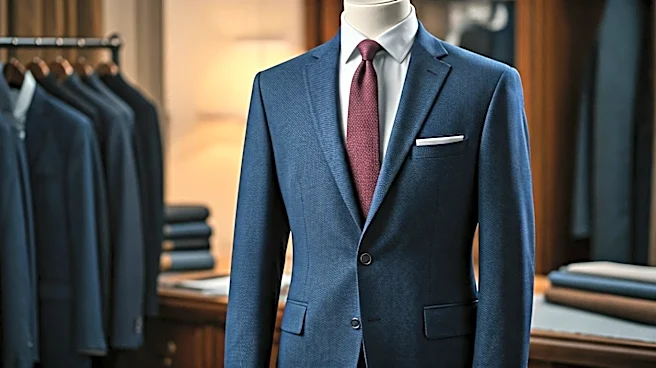
The term “museum-quality” isn't just marketing fluff. It refers to a standard of craftsmanship designed for longevity. In a high-end blazer, this is evident everywhere. The fabric has a certain weight and drape—it moves with you instead of fighting you. The shoulders are constructed, not just padded, giving you a sharp, confident silhouette that doesn’t collapse. Turn it inside out, and you’ll likely find pristine French seams and a fully lined interior, details that prevent stretching and ensure the garment keeps its shape for years, not just seasons. Even the buttons feel substantial; they’re often made of horn or corozo, not cheap plastic. This level of quality has a psychological effect. When you wear something that feels this good, you stand a little taller. It’s the sartorial equivalent of a suit of armor, providing a subtle but powerful boost of confidence that a flimsy, ill-fitting jacket simply cannot replicate.
The End of Decision Fatigue
A closet stuffed with mediocre options creates noise. Every morning presents a paradox of choice: you have a wardrobe full of clothes, yet nothing to wear. You sift through five different 'okay' black blazers, none of which feel quite right. One is too boxy, another’s fabric is too shiny, a third has lost a button. An investment blazer silences that noise. It becomes your default, your go-to, your fail-safe solution. When you have one perfect option, the decision is already made. This simplification is a luxury in itself. It’s a step toward a more curated, intentional life—one where you’re not constantly chasing the next cheap thrill but are instead enjoying the lasting satisfaction of a few perfect things. It’s the ultimate argument against the disposable culture of fast fashion, proving that true style isn't about quantity, but about enduring quality and the confidence it inspires.