




The All-White Mandate
Wimbledon’s “all-white” rule is one of the most iconic and rigid traditions in all of sports. Dating back to the Victorian era, the policy was born from a desire to avoid the unseemly sight of sweat stains, which are more visible on colored fabrics. What
began as a matter of 19th-century decorum was officially codified in 1963 and has only grown stricter, with modern rules specifying that even off-white or cream are unacceptable and any color trim must be no wider than a single centimeter. Players have been asked to change for infractions as minor as orange-soled shoes or a rogue pink sports bra. This creative constraint, however, has ironically turned the court into a unique fashion runway, where designers and athletes collaborate on breathtaking ensembles that whisper rebellion through silhouette and texture.
Enter: The 'Tenniscore' Takeover
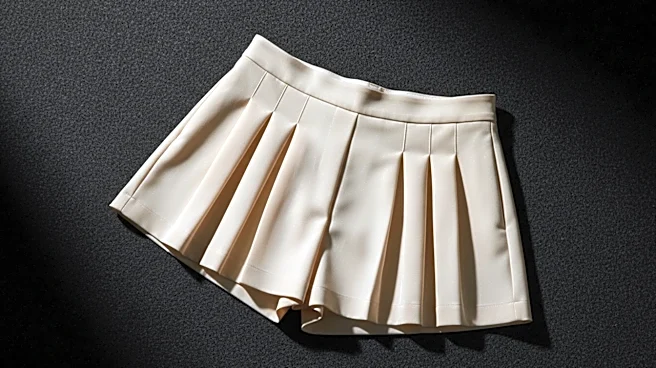
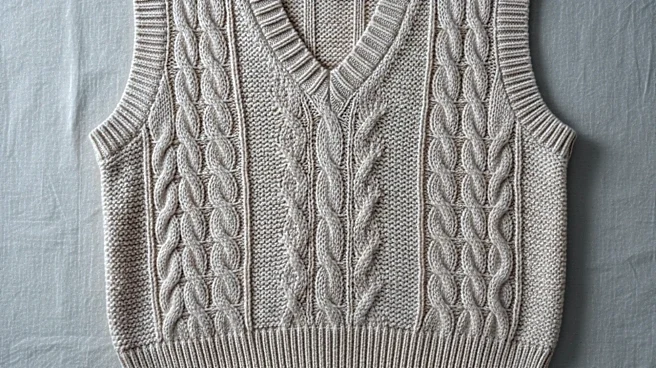
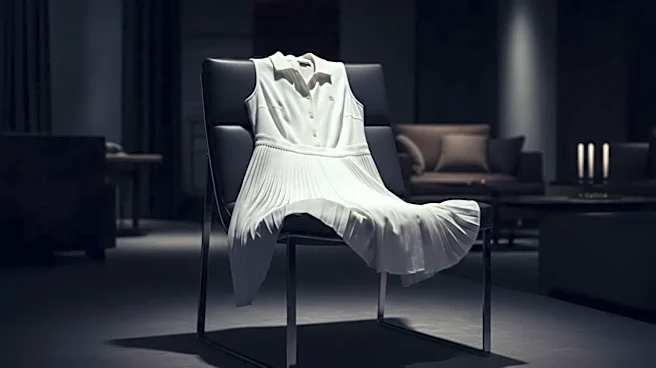
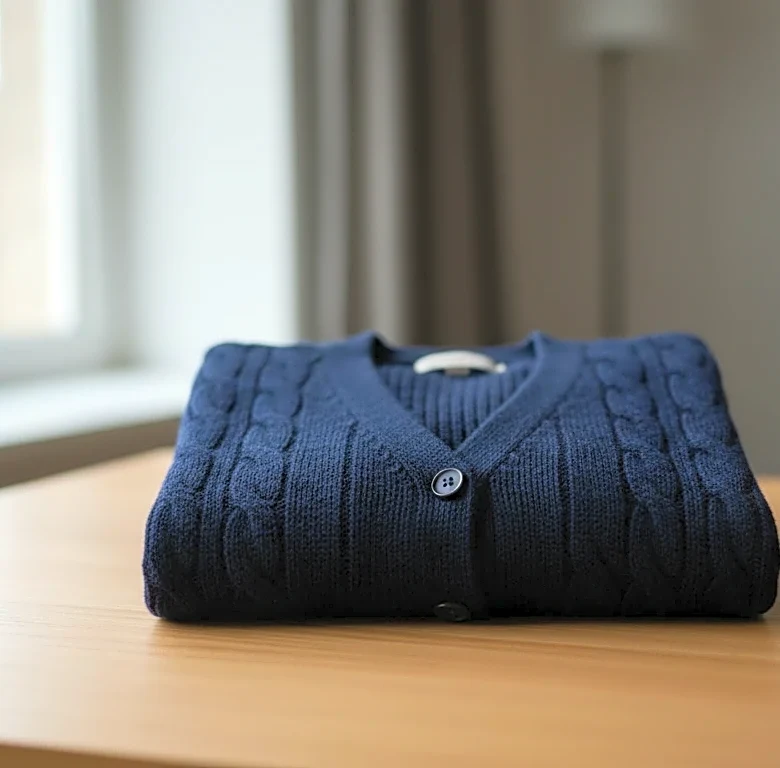
Off the hallowed grass of the All England Club, a full-blown fashion movement has embraced the spirit of the sport. Dubbed “tenniscore,” the aesthetic celebrates pleated skirts, polo collars, and cable-knit sweaters, blending athletic heritage with everyday style. The trend has been supercharged by recent cultural moments, most notably Zendaya's press tour for the film Challengers. Working with stylist Law Roach, she donned a series of breathtaking looks that were a masterclass in thematic dressing, from vintage-inspired Louis Vuitton numbers to a custom Loewe mini-dress with tennis balls impaled on the heels. These high-fashion interpretations have given everyone permission to see tennis wear not just as functional sportswear, but as a chic, adaptable part of a modern wardrobe.
The Appeal of the Archive
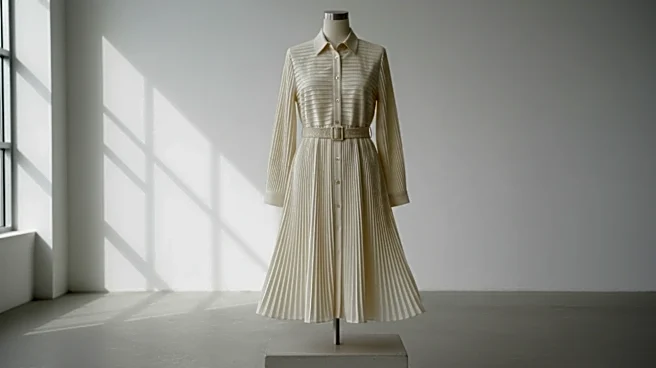
A key part of the tenniscore appeal is the hunt for archival or vintage pieces. In a world saturated by fast fashion, retro sportswear from brands like Fila, Lacoste, and classic Ralph Lauren offers a sense of history, quality, and individuality. These pieces tell a story, connecting the wearer to the sport’s stylish past, from the groundbreaking on-court attire of Suzanne Lenglen in the 1920s to the bold experiments of the 80s and 90s. The search for vintage sportswear is also fueled by a growing interest in sustainable fashion, as consumers look for durable, well-crafted items that stand the test of time. An archival tennis dress isn’t just a garment; it’s a piece of cultural history, reimagined.
The Post-Match Dinner Playbook
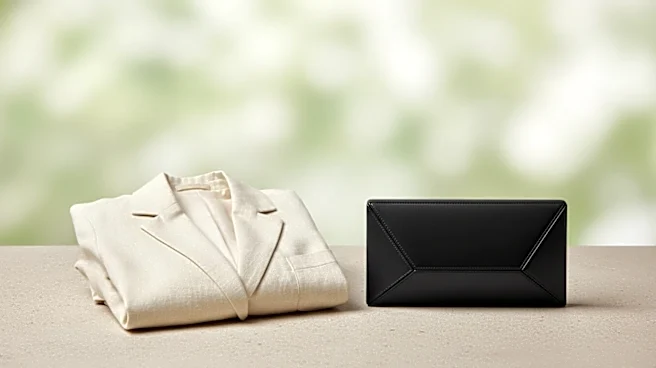
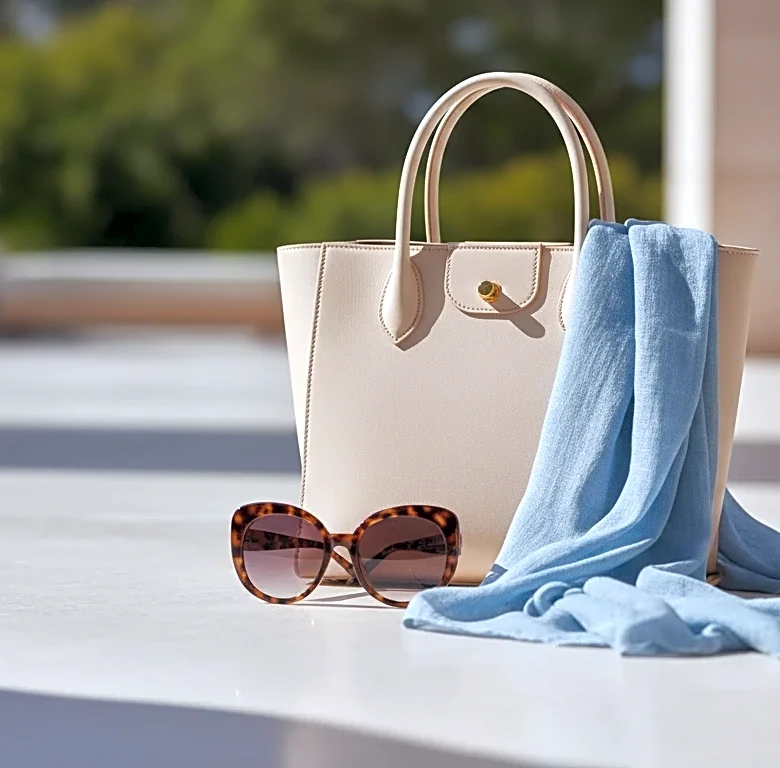
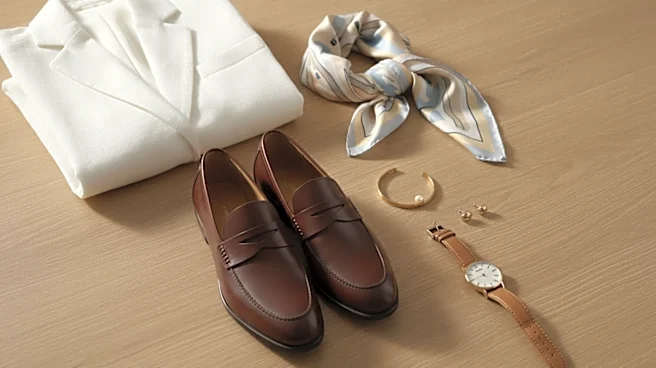
So, how does one take a dress designed for serving aces and make it work for serving looks at dinner? The transition is surprisingly seamless. The key is all in the styling. Start with a classic tennis dress—white, of course, is the traditional choice, but any solid color works. Swap court sneakers for a pair of elegant sandals, low heels, or even sleek ankle boots. The real transformation happens with layering and accessories. A tailored blazer thrown over the shoulders adds instant professional polish, while a leather jacket lends a touch of evening edge. Elevate the look further with statement jewelry—a bold necklace or chunky earrings can instantly signal a shift from day to night. Finally, trade the sports tote for a chic clutch, and you’re ready for cocktails, no racket required.