






The Street as a Public Studio
Forget sterile design studios and mood boards pinned to a wall. For the next generation of Danish designers, the cobblestone streets are the ultimate testing ground. This is where theory meets practice, as students from institutions like the Royal Danish Academy
of Design take their academic concepts for a spin. They treat dressing not just as an act of personal expression, but as a form of public research. An oversized blazer isn't just a nod to the '80s; it’s a study in creating a new shoulder line. Baggy trousers tucked into boots aren't a passing trend; they're an exploration of how to disrupt a traditional silhouette. This approach, rooted in a culture that champions function and design, turns the simple act of getting dressed into a dynamic, city-wide critique session where every outfit is a thesis waiting to be defended.
An Obsession with Volume and Silhouette
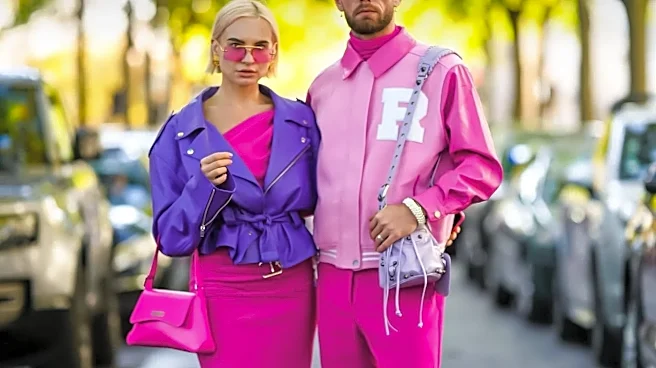
The core of the Copenhagen experiment lies in a fascination with volume. This isn't just about wearing baggy clothes; it’s a calculated art. Students and style enthusiasts alike play with contrasts: a massive, sculptural coat might be paired with sleek, slim-fit trousers, or a voluminous parachute skirt is balanced by a simple, fitted tank top. The goal is to create architectural shapes that move and interact with the body in interesting ways. Designers experiment with garments as independent structures that coexist with the human form. This can be seen in the prevalence of wide-leg denim, oversized hoodies, and enormous blazers, all of which are staples of the Scandi aesthetic. It's a direct rejection of form-fitting trends in favor of creating a unique, personal space through fabric.
The Art of Strategic Layering
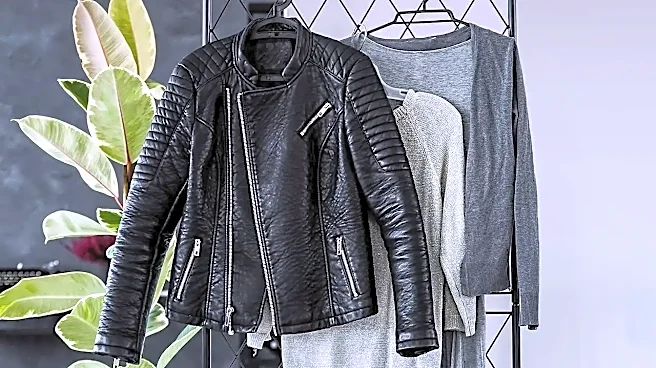
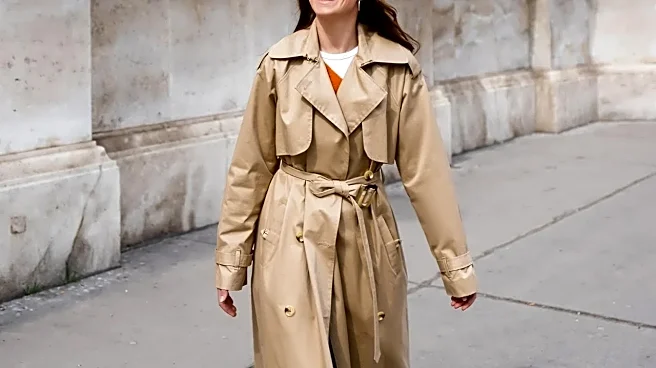
In a climate known for its unpredictability, layering is a practical necessity. But in the hands of Copenhagen’s fashion students, it becomes a primary tool for manipulating proportion. Layering here is not simply piling on clothes for warmth. It's a deliberate technique: a long-sleeved tee peeking from under a slip dress, a bomber jacket worn under a trench coat, or a crisp button-down shirt serving as a mid-layer between a turtleneck and a chunky knit. Each layer is chosen to add textural contrast and build a new, unexpected shape. This can involve mixing materials like wool, denim, and leather, or using techniques like tying a sweater over the shoulders not as an accessory, but as a way to add volume to the upper body and change the overall silhouette.
Functionality as the Foundation
What makes this public experimentation so compelling is that it never fully detaches from reality. Copenhagen is a city of cyclists, and fashion must follow function. No matter how avant-garde the silhouette, the outfit must still work on a bike. This constraint breeds incredible creativity. Proportions are exaggerated, but not to the point of immobility. Comfortable footwear, whether it's a pair of sporty sneakers, clogs, or chunky boots, is non-negotiable. This grounding in practicality ensures that the experimentation remains wearable and relevant. The result is a style that feels both aspirational and achievable—a laboratory where the experiments are designed to be lived in, not just observed.