



The Video Store Pilgrimage
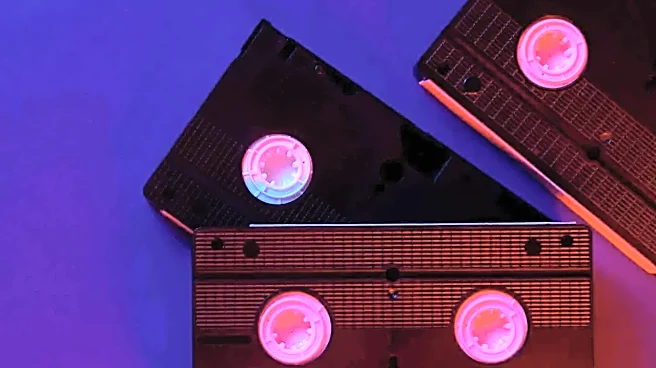
For a Gen Xer, the Friday night horror hunt was a ritual. It involved a trip to a physical place—a Blockbuster, a Hollywood Video, or a local mom-and-pop shop. The horror section was a library of nightmares, with lurid VHS cover art promising untold terrors.
You judged a movie by its cover because you had to. The decision was tactile; you held the plastic case, read the often-hilarious synopsis on the back, and felt the weight of your choice. This was a high-stakes game. You had one weekend and five dollars. Choosing the wrong slasher meant disappointment and a lost opportunity. This process, a pilgrimage to the altar of B-movie gore, fostered a specific kind of film literacy built on chance, striking artwork, and the gut feeling that 'Ghoulies II' just looked awesome.
The Endless Streaming Scroll
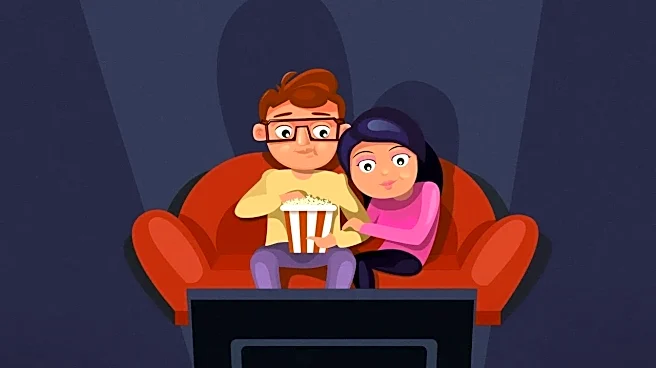
For Gen Z, the horror hunt happens on a couch, illuminated by the glow of a screen. The video store is infinite, contained within apps like Shudder, Netflix, and Max. There are no limits, no late fees, and no need to leave the house. Discovery is driven by code. An algorithm, having analyzed your every viewing choice, serves up a curated platter of fear. It says, “Because you watched ‘Hereditary,’ you might like this other film about crippling family trauma.” This creates a paradox of choice; an ocean of content can feel more like a confusing fog. While the access is unprecedented, the experience can lack a sense of event. The stakes are low—if a movie doesn't grab you in the first ten minutes, hundreds of other options are just a click away.
Human Curation vs. Algorithmic Suggestion
The video store clerk was the original recommendation engine. They were a real person, often a fellow genre fanatic, who could guide you from the mainstream slashers to the weird Italian Giallo films. Word-of-mouth was king, whether it came from a trusted employee or a friend's passionate defense of a cheesy monster flick. Today, algorithms have largely replaced that human touch, with studies showing their influence now surpasses recommendations from friends and family for many viewers. Streaming services A/B test thumbnail images to see which one is most likely to grab your attention. While efficient, this system can create an echo chamber, reinforcing existing tastes rather than expanding them. You are served what the data says you want, potentially missing the bizarre, unclassifiable gems that you might have found by chance in a physical aisle.
The Economics of Discovery
The financial commitment of a VHS rental created a unique viewing contract. You paid your money, so you were going to watch the movie, even if it was terrible. This fostered an appreciation for the “so bad it’s good” film and helped build the cult followings for movies that were objectively flawed but wonderfully ambitious. In the streaming era, that contract is gone. The low-stakes environment means viewers are quick to abandon ship. This changes what gets discovered and what gets a chance to find its audience. Gen Z, however, has flipped the script in another way, using platforms like TikTok and YouTube to turn internet folklore and short-form video into full-blown horror sensations, creating built-in audiences for films like 'Backrooms' and 'Obsession' before they even hit theaters.
A Bridge Built of Screams
The divide, however, is not absolute. Gen Xers have, of course, embraced streaming. They are now discovering films they missed in the '80s and '90s thanks to horror-centric services like Shudder. Simultaneously, Gen Z is unearthing classic slashers and found-footage pioneers that are now just a search away. They may not have experienced the thrill of the rental hunt, but they are driving a massive resurgence in the genre, flocking to original, thematically rich horror that speaks to their own anxieties. In the end, the technology that delivers the scares has changed dramatically, but the appeal of a great horror story—the shared experience of fear—remains a powerful, unifying force across generations.