




FIFA's Uncompromising Green Standard
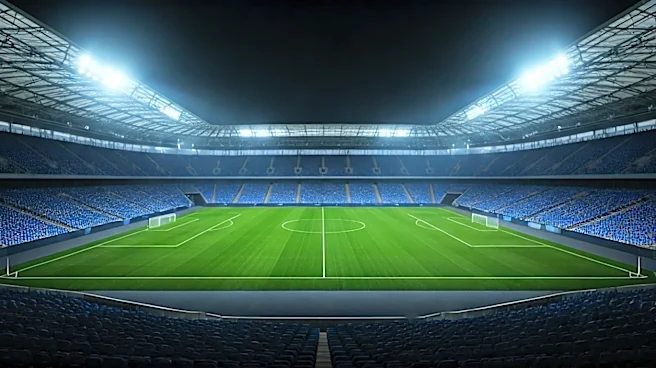
For FIFA, the governing body of world soccer, the playing surface is non-negotiable. World Cup matches must be played on natural grass. This isn't just a matter of tradition; it's a core belief rooted in player safety and the specific physics of the game.
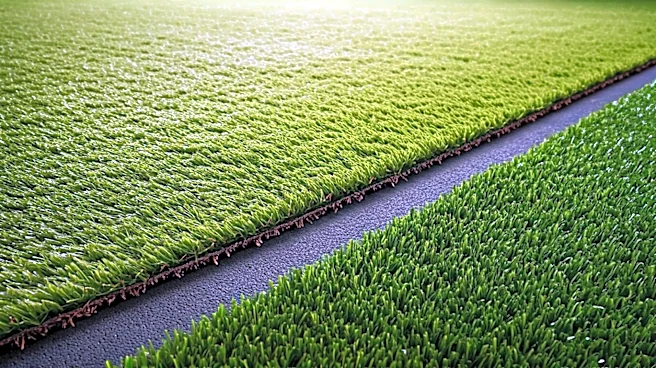
Elite players have long complained that artificial surfaces lead to more burns, increase strain on joints, and cause the ball to roll and bounce unpredictably. While the debate over injury rates is complex, with some studies showing turf might be safer under certain conditions, FIFA's mandate for its flagship tournament is absolute. This created an immediate and expensive problem for the U.S. host cities, as many of their state-of-the-art venues are NFL stadiums designed around durable, low-maintenance artificial turf.
The Billion-Dollar Field Trip
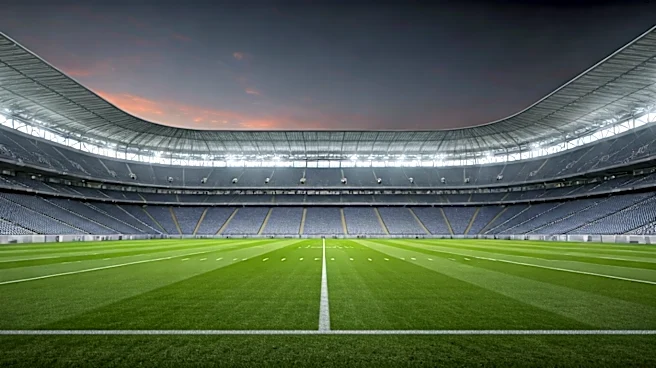
Transforming these gridiron palaces into soccer-ready pitches is a monumental task. Eight of the 11 U.S. venues, including behemoths like AT&T Stadium in Dallas, SoFi Stadium in Los Angeles, and MetLife Stadium in New Jersey—the site of the final—had to undergo a complete surface overhaul. This is far more complicated than just rolling out sod. In many cases, it involves ripping out the existing turf, laying down sophisticated drainage, ventilation, and irrigation systems, and adding a deep layer of sand to serve as a root zone. At some venues, like SoFi Stadium and AT&T Stadium, the entire field level had to be raised to accommodate the new grass system. Furthermore, FIFA's pitch dimensions are wider than an NFL field, forcing stadiums like SoFi to permanently modify and remove corner seating sections to create the required space. The total cost is staggering, with some estimates putting the price tag in the hundreds of millions across all venues.
A High-Tech Grass Like No Other
The grass itself is a marvel of agricultural science, the result of years of research by specialists at the University of Tennessee and Michigan State University. The goal was to create surfaces that would play consistently across vastly different North American climates. For warmer venues, a durable Bermuda grass is used, while cooler or indoor stadiums get a blend of Kentucky bluegrass and perennial ryegrass. To make the grass tournament-ready and durable, it's often a "hybrid" surface, with millions of synthetic fibers stitched into the root zone to provide stability, almost like rebar in concrete. The sod is grown for up to a year at specialized farms, sometimes over a thousand miles away, before being harvested and shipped in dozens of refrigerated trucks for installation just weeks before the first match.
The Race Against the Clock
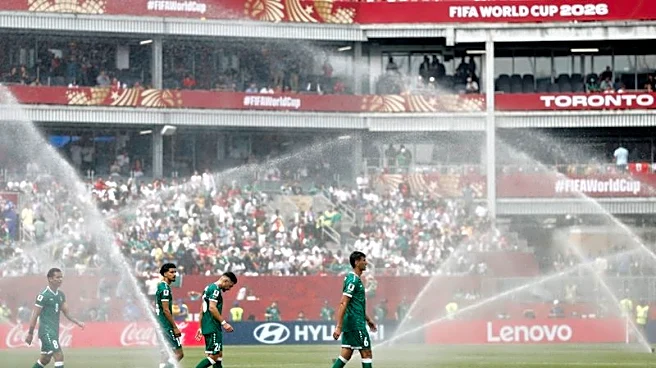
For domed stadiums like those in Atlanta, Houston, and Dallas, the challenge is even greater. Without natural sunlight, the grass must be kept alive with massive mobile UV grow light rigs that patrol the field between matches. The entire operation is a race against time, with crews working around the clock to install and manage the living surfaces. Despite years of planning, the pitches have already faced scrutiny. During the tournament's opening weeks, star players at MetLife Stadium complained the new surface was hard and dry, affecting the speed of play. FIFA has defended the conditions, stating its assessments show every pitch is healthy and performing as intended. This delicate balance of science, logistics, and maintenance remains under intense pressure, as a failed pitch could become an embarrassing headline that overshadows the beautiful game.