






The Showroom Illusion: A Static Snapshot
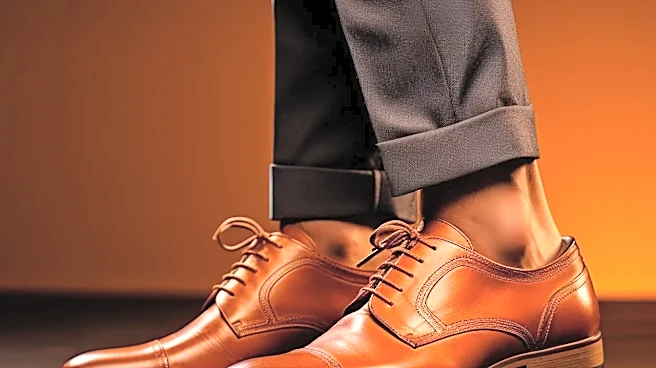
When you try on formal shoes, the typical test involves standing up, checking your toes in the mirror, and maybe taking a few steps on a carpeted floor. This environment creates a 'showroom illusion.' For those few moments, your body is in a neutral,
static posture. Your weight is distributed evenly, and your feet are at rest. This brief, stationary test gives you a snapshot of the fit, but it’s a completely different scenario from the dynamic demands of an actual event. Formal events are rarely spent standing perfectly still. They involve walking to a table, standing in a reception line, and maybe hours of dancing—activities that put entirely different stresses on your feet.
The Foot in Motion: Swelling, Spreading, and Shifting Pressure
A foot is not a rigid block. Throughout the day, and especially during activity, your feet naturally swell and can increase by as much as half a size. When you walk, your foot goes through a complex cycle of movement, from the heel striking the ground to the toes pushing off. This motion causes your foot to lengthen and spread. The pressure points change constantly; standing puts pressure on your heel and the ball of your foot, while walking and dancing shift that pressure dynamically across the entire surface. Most formal shoes are made from rigid materials like patent leather, which don't stretch or yield like the soft mesh of a sneaker. When your foot swells and flexes inside this rigid structure, you get friction, pinching, and pain—problems that a simple standing test will never reveal.
Simulating the Event: A Better Way to Test
To avoid post-purchase regret, you need to simulate the conditions of the event in the store. First, always shop for shoes in the afternoon or evening. Your feet will be at their largest, giving you a more accurate sense of fit for a long evening. When you try on a pair, don't just stand there. Walk around the store for at least five minutes, preferably on a hard surface, not just the plush carpet. Pay attention to whether your heel slips or rubs. Try to mimic the movements you’ll be doing. Go up on your toes, do a few mock dance steps, and shift your weight from side to side. Does the widest part of your foot feel pinched? Is there about a finger's width of space between your longest toe and the end of the shoe? This active testing process provides a much more realistic preview of how the shoes will perform over several hours.
Beyond the Walk Test: What Else to Look For
A great fit is about more than just length and width. Look for features that promote comfort over the long haul. A cushioned insole and some form of arch support can make a world of difference in preventing fatigue. While sleek leather soles are traditional for formalwear, many modern dress shoes now incorporate sneaker-like soles with better cushioning and support without sacrificing style. Podiatrists often recommend a shoe with a stiff sole that doesn't easily bend in the middle, but that has flexibility in the toe box to allow for natural movement. For heels, a height of three inches or less significantly reduces pressure on the forefoot and improves stability. Ultimately, a shoe should feel comfortable the first time you put it on; a painful shoe in the store will only get worse.