




The Traditionalist: Set-In Shoulders
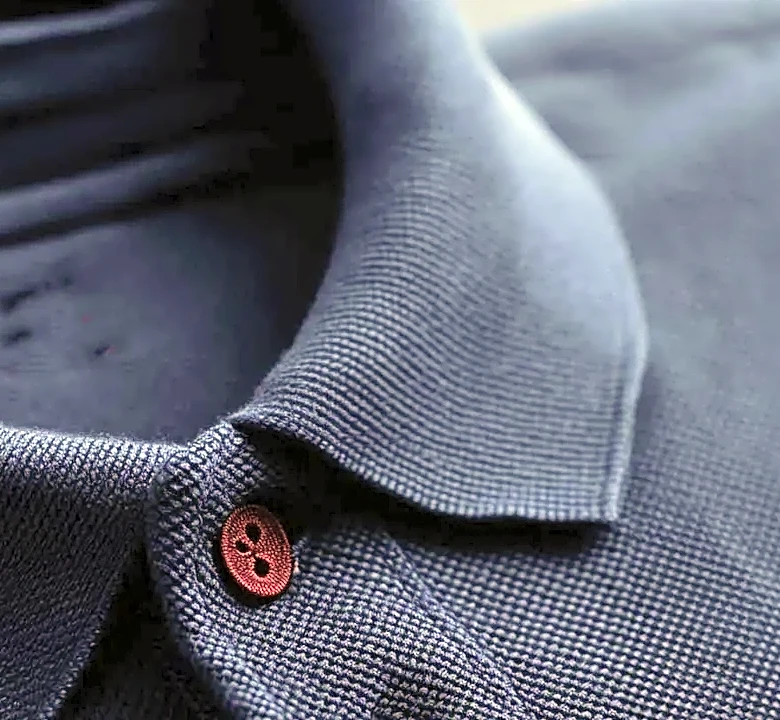
The set-in sleeve is the most common and classic T-shirt construction. The sleeve is attached to the body of the shirt with a seam that circles the armhole, typically sitting right at the natural edge of your shoulder. This creates a structured, tailored
look that gives the garment a clean, professional shape. Think of a standard polo shirt or a classic crewneck tee; that defined shoulder line is the work of a set-in sleeve. In sportswear, this construction provides a neat, form-fitting silhouette that is often associated with a more formal or traditional athletic appearance. The design works well for aligning logos and patterns precisely, contributing to its polished feel.
The Athlete: Raglan Shoulders
A raglan sleeve is defined by its distinct diagonal seam, which runs from the underarm directly to the neckline. This construction means the sleeve is a single, continuous piece of fabric from the collar to the cuff. You might recognize this style from classic “baseball tees,” where the sleeves are often a different color. By eliminating the traditional shoulder seam, the raglan design creates a sportier, more casual aesthetic. It's a look strongly associated with activewear because that diagonal line provides a visual sense of motion and is well-suited for color-blocking and dynamic designs.
The Serve Test: Range of Motion
Here's where the choice really matters on the tennis court. The primary benefit of a raglan sleeve is the enhanced freedom of movement it offers, particularly for overhead actions. Because there is no seam directly on top of the shoulder, there's less restriction when you reach up for a serve or smash. The construction provides a wider, more spacious underarm area, allowing your arms to move up and down with greater ease. While a well-designed set-in sleeve made from stretch fabric can still offer good mobility, the inherent structure of the raglan is built for action. For players who feel their shirt pulls or tightens across the shoulders during a full swing, a raglan top can make a noticeable difference in comfort and performance.
The High-Neck Factor: Fit and Comfort
The high-neck design, whether a mock neck or a zip-up collar, is popular in tennis for sun protection. How this interacts with the shoulder style is key. With a set-in sleeve, the combination of a high neck and a defined shoulder seam can feel very structured. For some players, this provides a secure, tidy fit. For others, it might feel slightly restrictive around the neck and shoulders. A raglan's diagonal seams flow directly into the collar, which can create a more seamless and less constricted feel around the neck and upper chest. Furthermore, a raglan sleeve can be more forgiving for players with broader shoulders, as it softens the shoulder line instead of creating a hard seam. However, a poorly cut raglan can sometimes cause fabric to bunch under the arm if the fit isn't right.
Style and Silhouette on the Court
Beyond pure function, the two styles create different visual effects. A set-in sleeve offers a sharp, tailored silhouette. It gives a crisp, traditional look often favored in more formal club settings or by players who prefer a classic aesthetic. It provides a slimming, natural shape. In contrast, the raglan sleeve is inherently sporty and casual. Its diagonal lines draw the eye differently and are often used to create bold, two-tone designs that stand out on the court. The choice comes down to personal expression: do you prefer the polished structure of the set-in sleeve or the athletic dynamism of the raglan?