
The Setlist: A Sprint, Not a Marathon
The most significant change is the setlist. An arena tour is for the faithful. With a 90-to-120-minute runtime, an artist can build a narrative, weaving in deep cuts, new material, and beloved B-sides between the hits. It’s a full-course meal. A festival
set, especially at a multi-genre event like the iHeartRadio Festival, is the opposite. Artists often get 45 minutes or less to make an impression on a massive, diverse audience that might not know their catalog. The goal isn't to please die-hards, but to win over thousands of casual listeners and create a memorable, high-impact moment. This means the setlist becomes a relentless barrage of greatest hits—a musical business card designed for maximum energy and immediate recognition. There’s no time for slow-burn album tracks or obscure fan favorites.
The Production: Scaling Down the Spectacle
An artist's headlining tour comes with a bespoke production that can take days to install. Think massive, custom-built stages, intricate lighting rigs synced to every note, unique video content, and elaborate props. It's a self-contained universe designed to immerse fans in that specific artist's world. Festivals are a shared space. While the stages are huge, the production has to be versatile enough to accommodate dozens of acts. Artists must adapt their show to a more standardized setup. Elaborate stage changes are impossible due to the rapid-fire, 15-minute changeovers between performers. This means less custom video, fewer unique set pieces, and a reliance on core performance skills over theatrical spectacle. The show becomes more about the band's energy than the massive machine around them.
The Audience: Winning Over Strangers
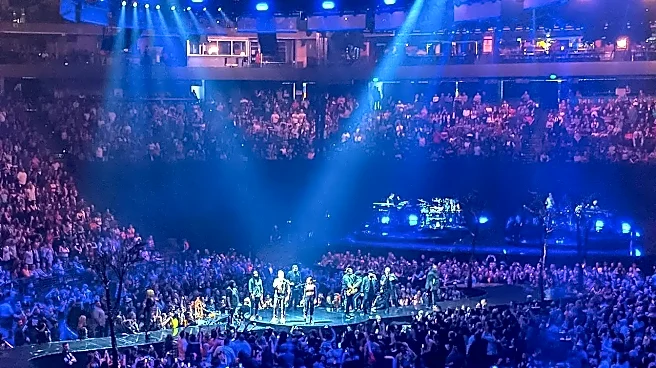
At an arena show, the 15,000 people in the room paid specifically to see one headliner. The energy is focused, the singalongs are deafening, and the connection is pre-established. Artists can be more personal, tell longer stories, and take more risks, knowing the crowd is already on their side. A festival audience is a mix of die-hard fans, curious onlookers, and people waiting for the next act. The artist isn't just performing; they're competing for attention. The primary job is to grab and hold the energy of a sprawling, distracted crowd. This means less intimate banter and more broad, high-energy declarations to keep tens of thousands of people engaged. It’s an audition as much as it is a performance.
The Pacing: All Gas, No Brakes
The structure of an arena show is designed with peaks and valleys. There’s the high-energy opening, a quieter acoustic section in the middle, a block of fan-favorite anthems, and the big finale. This pacing gives both the artist and the audience a chance to breathe and experience a full emotional arc. A festival set has no room for valleys. It’s a flat-out sprint from the first chord to the last. With a limited time slot, any dip in energy risks losing the crowd. Artists will often trim song intros, create medleys of hits, and cut out slow moments entirely to keep the momentum constantly high. The goal is to leave the audience breathless and wanting more, not to take them on a nuanced journey.
The Stakes: A Business Card vs. a Love Letter
Ultimately, the two formats serve different purposes. An arena tour is the payoff. It's the primary way a major artist monetizes their success and delivers a comprehensive, fan-service-oriented experience. The show is a thank you to the dedicated supporters who know every word. A festival performance is an advertisement. It’s a high-stakes opportunity to be seen by a massive audience, gain new fans, and create buzz that can translate into future ticket and album sales. For many artists, a festival gig is a crucial marketing tool. It’s a chance to prove they can command a huge stage and hold their own alongside the biggest names in music. One is a conversation with old friends; the other is a powerful introduction to a room full of strangers.