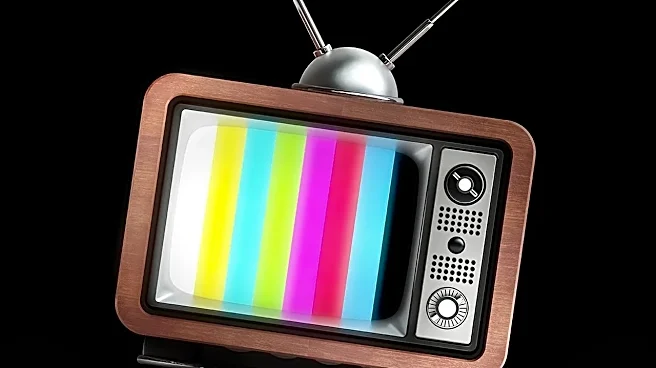




An Analog Ritual in a Digital World
For a generation raised in the final decades of the 20th century, the September premiere week was an unofficial holiday. It was a shared, communal experience built on anticipation. The rhythm of life shifted; summer was over, school was back in session,
and your evenings were about to be booked solid. This wasn't the isolated, on-demand consumption of today. It was a collective dive into new stories, dictated by a broadcast schedule that felt as immovable as the seasons themselves. The excitement was fueled by a landscape where only four or five major networks competed for everyone's attention, turning shows into massive, nationwide events.
The Fall Preview as Sacred Text
The centerpiece of this entire tradition was a physical artifact: the TV Guide Fall Preview issue. Long before the internet offered instant spoilers and trailers, this magazine was the definitive bible for what was to come. Millennials remember poring over its pages, circling premiere dates, and reading synopses of new series. You’d debate with friends which new sitcom looked promising or which drama seemed destined to fail. This glossy catalog wasn't just a schedule; it was a book of possibilities that built a month's worth of hype, making you feel like an insider preparing for the most important cultural season of the year.
The Social Currency of 'Appointment TV'
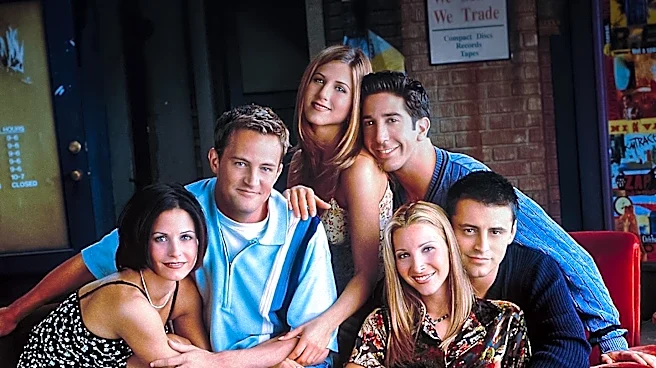
In the 90s and early 2000s, you had to watch a show when it aired, or you risked missing out entirely. This created what was known as "appointment television." Iconic programming blocks like NBC's Thursday night "Must See TV" were social events. If you didn't watch the latest episode of Friends or Seinfeld, you were out of the loop at the water cooler—or more likely, the school lunch table—the next day. This model fostered a sense of shared experience that streaming's binge-watching model has largely erased. The shows became part of a national conversation, with their plot twists and catchphrases echoing across the country simultaneously.
The Shows That Defined a Generation
The premiere week tradition gave us some of the most defining shows for the millennial generation. It was the era that launched teen dramas that felt both aspirational and relatable, like Beverly Hills, 90210 and Dawson's Creek, where every season debut felt monumental. It brought genre-bending hits like Buffy the Vampire Slayer and The X-Files into the mainstream, creating dedicated fanbases that dissected every episode. Comedies like Friends and family dramas like Gilmore Girls set a cozy, autumnal tone that many still associate with the fall season. These weren't just shows; they were cultural touchstones you grew up alongside.
The Long, Slow Fade of a Shared Moment
The tradition didn't disappear overnight. First came the VCR, then the DVR, which loosened the grip of the live schedule. But the true game-changer was streaming. Netflix and other platforms dismantled the very concept of a premiere "season" by popularizing the binge-watch model and dropping entire seasons at once, at any time of year. The annual September rush, once the focal point of the TV calendar, has been replaced by a constant, fragmented firehose of content. While appointment viewing is seeing a small comeback with weekly releases on streaming services for major franchises, the singular, universal focus of the old fall premiere week is a thing of the past.