

Hyaluronic Acid: The Hydration Hero
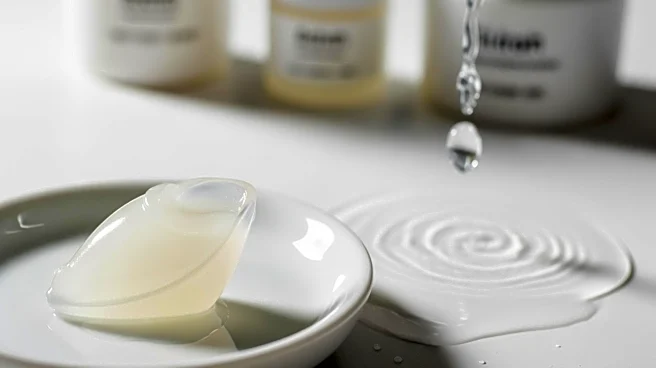
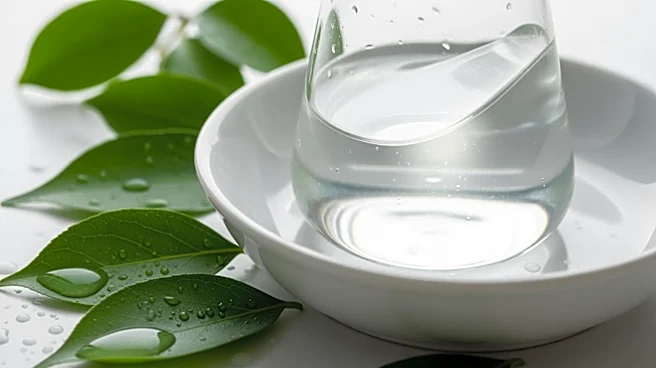
When your skin is exposed to sun and heat, it loses moisture, leading to a dull, tired appearance. The natural impulse might be to slather on a thick cream, but in humid weather, that can feel heavy and greasy. Enter hyaluronic acid. This superstar humectant
acts like a microscopic sponge, attracting and holding up to 1,000 times its weight in water. Found in serums, moisturizers, and even primers, it delivers intense hydration in a lightweight, non-oily format. It plumps the skin from within, smoothing fine lines and creating a dewy, supple base that looks fresh, not slick. In the Riviera heat, a hyaluronic acid serum under a light moisturizer provides the perfect balance of moisture without weighing you down.
Niacinamide: The Pore Perfector
Heat and humidity often send oil production into overdrive, leading to visible shine and enlarged pores—the enemies of a camera-ready complexion. Niacinamide, a form of vitamin B3, is a multi-tasking marvel that addresses this head-on. It's renowned for its ability to regulate sebum production, effectively telling your oil glands to calm down. By keeping oil in check, it helps minimize the appearance of pores and reduces midday shine. Furthermore, niacinamide strengthens the skin’s natural barrier, helping it retain moisture and reducing redness and inflammation that can be exacerbated by sun exposure. It’s the ultimate supporting actor, making every other product work better while ensuring your skin remains balanced and smooth.
Vitamin C: The Protective Brightener
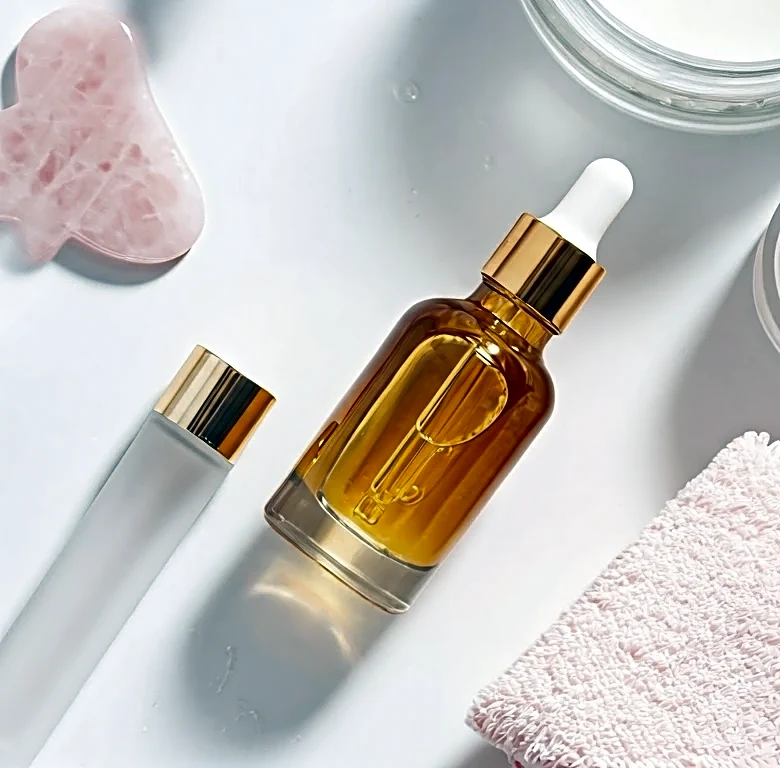
A day spent under the Mediterranean sun requires a strong defense. While sunscreen is non-negotiable, Vitamin C provides an essential secondary layer of protection. As a potent antioxidant, it helps neutralize free radicals generated by UV exposure, which are a primary cause of premature aging, dark spots, and cellular damage. Applying a Vitamin C serum in the morning before your sunscreen essentially supercharges your sun protection. But its benefits don't stop there. Vitamin C is also famous for its brightening properties, inhibiting melanin production to fade dark spots and even out skin tone. The result is a luminous, radiant glow that looks like you’ve just returned from a restful vacation, not like you've been battling the elements.
Mineral Sunscreens: The Physical Shield
For long days involving photo calls and outdoor events, a reliable sunscreen that doesn’t irritate the skin or break down is crucial. Mineral sunscreens, which use zinc oxide and/or titanium dioxide, are often the top choice. Unlike their chemical counterparts that absorb UV rays, these ingredients form a physical barrier on the skin's surface to reflect them away. This makes them effective immediately upon application and generally better tolerated by sensitive skin. Modern formulations have come a long way from the thick, white pastes of the past. Today’s micronized mineral sunscreens can be incredibly elegant, blending seamlessly into the skin and even providing a slight mattifying effect, making them an ideal base for makeup.
Silica and Clay: The Mattifying Masters
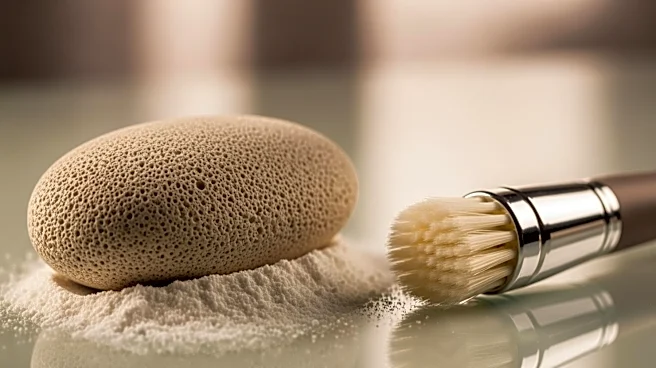
To keep makeup from melting and shine from breaking through, cosmetic chemists turn to oil-absorbing ingredients. Silica, a mineral that comes in the form of tiny, porous spheres, is a key player in many finishing powders, primers, and foundations. These spheres act like a blotter, soaking up excess oil and sweat without looking cakey or drying out the skin. They also have a soft-focus effect, scattering light to blur the look of pores and fine lines. Similarly, clays like kaolin are often used in primers and masks for their powerful absorbent properties. When incorporated into makeup or setting products, these ingredients provide a velvety, matte finish that ensures your look stays locked down and photo-ready from morning to night.