

A Grand Farewell on Thanksgiving
After 16 grueling years on the road, Robbie Robertson, lead guitarist and primary songwriter for The Band, felt it was time to stop touring. He envisioned a final show that wasn't a sad goodbye but a celebration—a grand party with the musicians who had
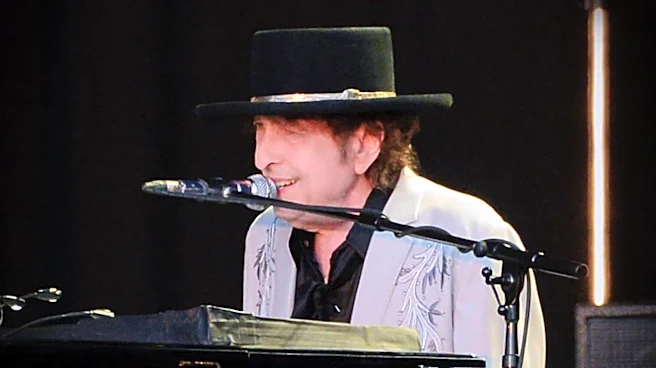
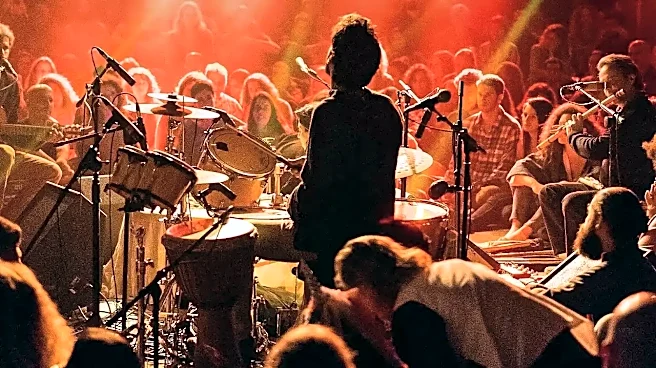
shaped their journey. Legendary promoter Bill Graham was brought on to organize the event at San Francisco's Winterland Ballroom, the same venue where The Band had played their first official shows years earlier. The date was set for Thanksgiving, and the plan was ambitious: a full turkey dinner for 5,000 attendees, ballroom dancing, and poetry readings before the music even started. The guest list grew to include a staggering lineup of rock royalty, from Bob Dylan and Neil Young to Joni Mitchell, Muddy Waters, and Eric Clapton.
From Concert Film to 'Real Film'
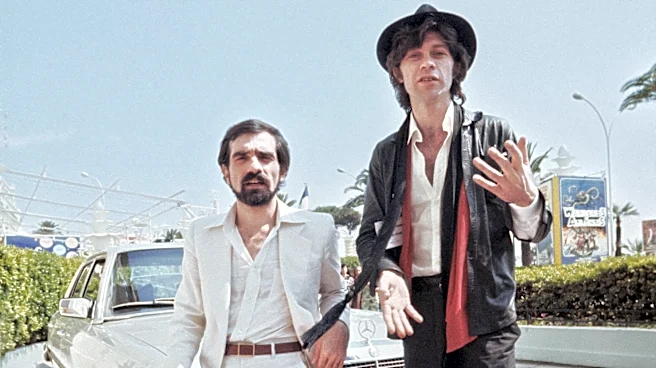
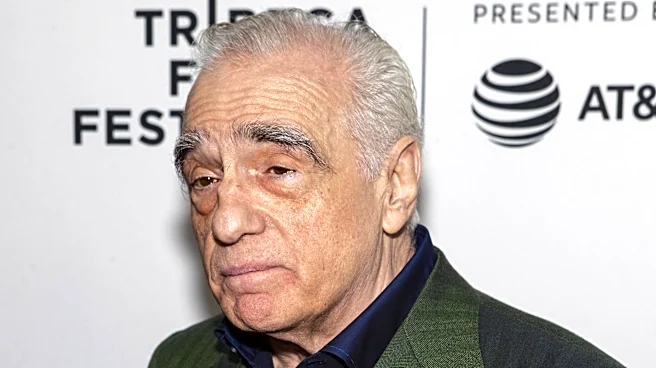
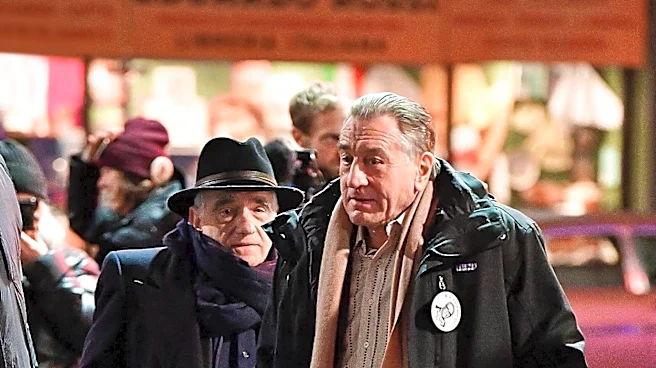
Initially, the idea was just to document the concert, perhaps on 16mm film for posterity. But Robertson had seen a film by a young, electrifying director named Martin Scorsese called 'Mean Streets' and was struck by his innovative use of rock music. He reached out, and Scorsese, a huge fan of The Band, eagerly signed on. Scorsese's vision, however, went far beyond a simple concert recording. Having worked on the 'Woodstock' documentary, he wanted to create a true cinematic experience. He insisted on shooting in 35mm, a format usually reserved for feature films, and enlisted a team of Hollywood's best cinematographers, including Michael Chapman, László Kovács, and Vilmos Zsigmond.
The Most Ambitious Shoot in Rock History
Scorsese treated the concert like a movie set. He had the stage decorated with chandeliers and backdrops from the San Francisco Opera's production of 'La Traviata'. Instead of just pointing cameras at the stage, he storyboarded the entire event, creating a detailed, 300-page shooting script that mapped out camera movements and lighting cues for every song and every solo. The technical demands were immense. Because Winterland was built over an old ice rink, the floor bounced, so camera platforms had to be locked down with concrete to keep the 35mm cameras steady. This level of meticulous planning transformed what could have been a chaotic live recording into a controlled, beautifully shot film. Scorsese deliberately kept the audience out of focus, wanting to create an intimate experience that put the viewer right on stage with the musicians.
From Live Performance to Polished Product
The film released in 1978 was not an exact document of the Thanksgiving concert. Scorsese spent over a year editing, weaving in interviews he conducted with the band members at their Shangri-La studio. These conversations provided context and a sense of reflection on their long career. More significantly, not every performance in the movie happened at Winterland. Technical issues and a desire for perfection led Scorsese to film additional musical numbers on an MGM soundstage after the fact. The iconic performance of 'The Weight' with The Staple Singers and 'Evangeline' with Emmylou Harris were both filmed in this controlled studio environment, seamlessly integrated with the live footage. This hybrid approach—part concert, part studio session, part interview—is what separates 'The Last Waltz' from other concert films, making it a polished, narrative-driven work of art.