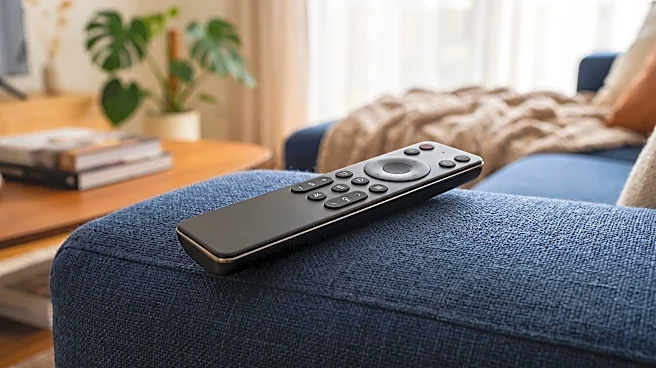





The turkey is carved, the pie is cooling, and a food coma settles over the living room. Then, it begins. The annual Thanksgiving remote control war. What to watch? The game? The parade rerun? A movie? This year, let’s seek counsel from the experts.
The Authoritarian: Colonel Frank Slade
There
is no debate. There is no vote. There is only one person in charge of the television, and it’s him. Taking a page from Colonel Frank Slade in 'Scent of a Woman,' this strategy involves seizing the remote with absolute confidence and refusing to acknowledge any counter-arguments. The Colonel, a retired Army officer who is blind but misses nothing, operates on pure, uncut authority. His larger-than-life personality is a weapon; he’ll intimidate, charm, or simply out-stubborn anyone who dares suggest changing the channel from his program of choice. He knows what he wants to watch, and by sheer force of will, he makes it so. There is no negotiation, only surrender. Hoo-ah!
The Meticulous Planner: Neal Page
For Neal Page, the high-strung executive from 'Planes, Trains and Automobiles,' Thanksgiving entertainment is not a matter of impulse; it's a schedule. This method requires a pre-planned viewing itinerary, likely typed and distributed to all family members. The day’s programming is structured with military precision: 1:00 PM for the end of the parade, 3:00 PM for football, 6:00 PM for a designated family film. Any deviation from the plan is met with the same anxious frustration Neal shows when his flight is diverted. This remote-control philosophy is about maintaining order in a world of holiday chaos. The remote isn't a tool of power, but an instrument for executing a flawless, pre-approved plan. Spontaneity is the enemy.
The Anxious Peacekeeper: Claudia Larson
Fresh off a series of personal disasters in 'Home for the Holidays,' Claudia Larson just wants everyone to get along for five minutes. The peacekeeper strategy isn't about winning; it's about ending the conflict as quickly as possible. When the argument over the remote gets too loud, this person will cave immediately. They’ll hand it over to the most aggressive person in the room simply to restore a fragile sense of calm. Like Claudia navigating her painfully dysfunctional family, the goal is survival, not satisfaction. This approach treats the remote like a hot potato, to be passed along before it can cause any more emotional damage. If it means watching a terrible movie to stop a family argument, so be it.
The Eternal Rivals: Max Goldman and John Gustafson
For Max and John from 'Grumpy Old Men,' the remote isn't for watching TV—it's another weapon in their lifelong war of petty grievances. This strategy turns the channel-changing into a competitive sport. One will hide the remote, the other will unplug the TV. They'll wait for their rival to get comfortable, then sneakily switch the channel to something infuriating. Their feud, which has cooled and reheated for decades, finds its perfect Thanksgiving expression in this battle. It’s not about what’s on; it’s about one-upping your neighbor. Victory is measured not in program selection but in the sputtering rage of your opponent. The TV programming is just collateral damage in a much older, much more personal conflict.
The Overwhelmed Host: Charlie Brown
Good grief. Like in 'A Charlie Brown Thanksgiving,' this person never asked to be in charge. Pressured into hosting a viewing party he wasn't prepared for, Charlie Brown’s approach is one of reluctant capitulation. He just wants to make everyone happy, but he is fundamentally unequipped for the task. He’ll likely put on whatever the most forceful personality—the Peppermint Patty of the family—demands, even if it’s not what anyone else wants. His control of the remote is nominal at best. He’s too busy worrying about everything else, from the popcorn and toast snacks to the general holiday-induced anxiety, to put up a real fight. He will lose the remote debate before it even starts.