


The Neon Tide at Perry's Stage
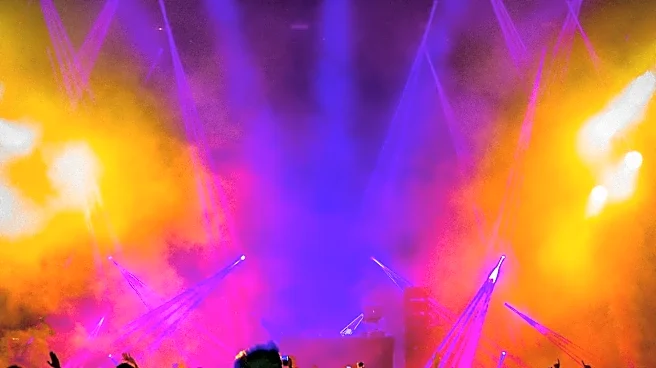
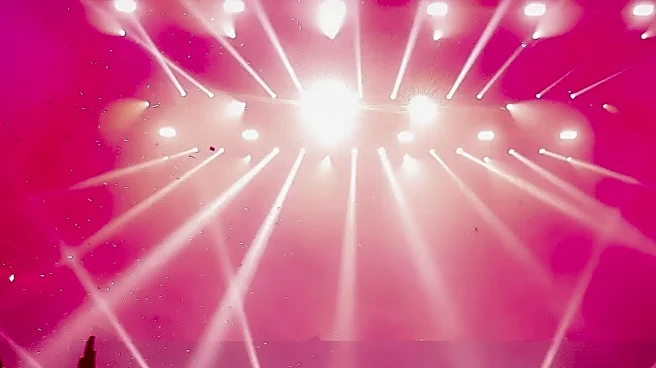
Walk toward the thunderous bass of Perry's Stage, and the visual landscape shifts. This is Lollapalooza's electronic heartland, and the unofficial dress code is pure rave. Here, practicality takes a backseat to spectacle. You’ll see seas of neon, mesh
tops, intricate bodysuits, and accessories that light up after dark. The style isn't just about aesthetics; it's functional for the culture. UV-reactive outfits help friends find each other in the massive, pulsing crowds long after the sun has set behind the Chicago skyline. Pashminas, a classic rave accessory, are common, as are glitter and face gems that turn each fan into a part of the light show. This isn't just clothing; it's a uniform for the high-energy, immersive experience of EDM, a visual language understood by everyone gathered for the drop.
Main Stage: Pop, Rock, and Practicality
The main stages, often the T-Mobile Stage and Bud Light Seltzer Stage, host the festival's biggest headliners, spanning pop, rock, and hip-hop. The fashion here is a broader, more eclectic mix, but it shares a common thread of what might be called “elevated streetwear.” Fans are dressing for a marathon, not a sprint. You'll see vintage band tees, comfortable denim shorts, and jerseys paying homage to artists. Footwear is key; attendees know they'll be walking miles between stages, so broken-in sneakers are non-negotiable. While more subdued than the scene at Perry's, personal style is still paramount. It's a calculated blend of comfort and expression, where a fan might wear a skeletal outfit for Lorde or a Von Dutch hat as a nod to Charli XCX. It’s about showing your allegiance while surviving four days on your feet.
The Indie Enclave's Effortless Cool
Tucked away at smaller stages like the Grove, the vibe changes again. This is the home of indie, alternative, and folk-adjacent acts, and the fashion reflects a different kind of cool—one that values an appearance of effortlessness. Here, thrifted and vintage finds reign supreme. Flowy dresses, crochet tops, and unique, one-of-a-kind pieces suggest a more laid-back, bohemian sensibility. The look is less about spectacle and more about curated personal style. It’s a bit of boho, a bit of Y2K revival, and a lot of personality. The goal isn't to be the loudest in the crowd, but to signal a shared appreciation for authenticity and the slightly-off-mainstream sounds emanating from the stage. It’s a style that says you care, just not so much that you look like you tried too hard.
A Uniform for Your Tribe
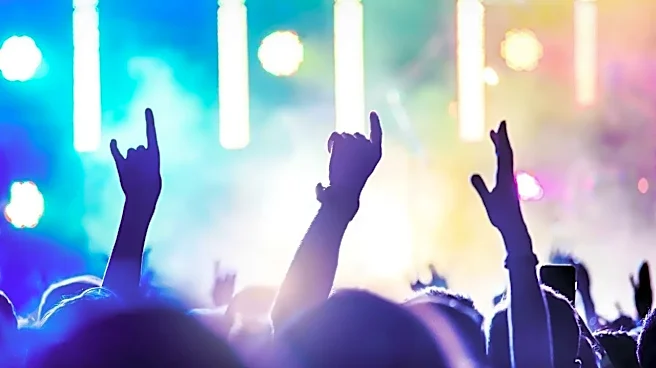
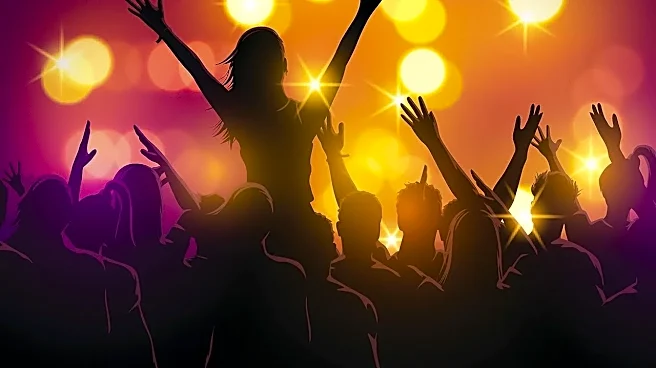
Ultimately, Lollapalooza has evolved from its alt-rock roots into a multi-genre behemoth where musical identity is fluid. That fragmentation is precisely why stage-specific dressing has become so pronounced. In a crowd of over 400,000 people, what you wear is the quickest way to find your community. An outfit becomes a non-verbal cue, helping you spot the fellow ravers, the pop superfans, or the indie devotees. It's less about a single, unified “Lollapalooza style” and more about a collection of micro-cultures congregating in their designated corners of Grant Park. Dressing for your favorite stage isn't just about fashion; it's a declaration of musical identity and an invitation to connect with like-minded fans, creating a powerful sense of belonging in one of America's largest musical gatherings.