




The Architect of Cool
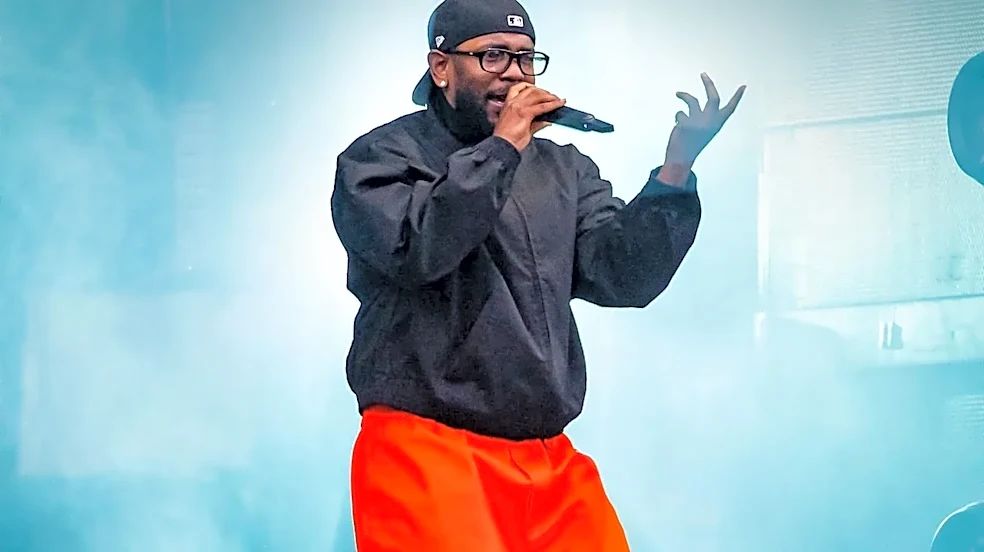
To understand Camp Flog Gnaw, you have to understand its creator: Tyler, the Creator. For over a decade, the festival has operated as a physical manifestation of his personal playlist. It’s a meticulously curated experience where ascendant hip-hop acts,
soulful R&B singers, and obscure indie gems share stages, reflecting a very specific, often eccentric, taste. This isn’t a data-driven lineup designed by a committee to maximize ticket sales. It’s a vibe, hand-picked by one of music's most influential tastemakers. Past lineups have been a masterclass in this philosophy, featuring legends like Erykah Badu, rising stars like SZA and Dominic Fike before they exploded, and left-field surprises that just 'make sense' in Tyler's world. This personal touch is the festival's entire brand, fostering a deep trust with a fanbase that comes to discover new favorites, not just hear the same 10 headliners that rotate through every other festival circuit.
The Record-Scratch Headliner
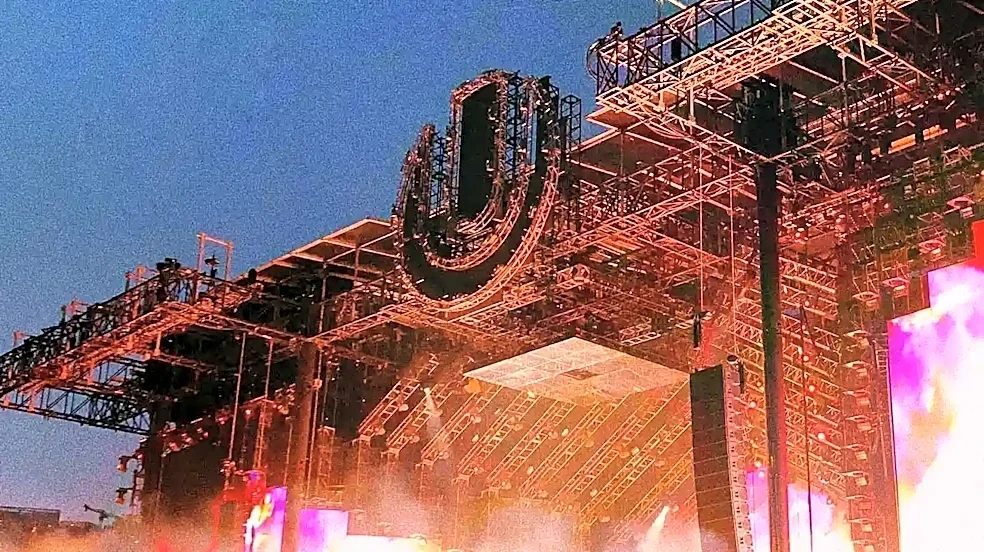
This year, that trust was shaken. When the final headliner for the November 2026 festival was announced, a collective 'huh?' rippled across social media. Wedged between a typically eclectic mix of artists was a name that felt wildly out of place: superstar DJ duo 'The Globalists'. Known for their bombastic, pyrotechnic-heavy EDM sets, The Globalists are the definition of a safe, mainstream festival booking. They are a reliable draw for massive crowds who want a high-energy, low-thought dance party. They are also everything Camp Flog Gnaw has historically stood against. Their inclusion felt less like a bold, taste-expanding choice and more like a concession to the commercial pressures that plague every major music event. For the first time, the lineup felt like it was designed by a spreadsheet, not a person.
More Than Just a 'Bad' Booking
The issue isn't that The Globalists are a 'bad' act. They are incredibly successful and popular for a reason. The problem is one of context and curation. Booking them at Flog Gnaw is like putting a Michael Bay movie in the middle of a Wes Anderson film festival. It's a fundamental misunderstanding of the audience and a betrayal of the established tone. Fans don't go to Flog Gnaw for the same experience they can get at any of a dozen other corporate mega-festivals. They go for the opposite. They go for the feeling of being let into a secret, of participating in a culture curated with intention. The booking suggests a pivot away from that ethos. It prioritizes generic mass appeal over the very identity that made the festival special in the first place, leaving longtime attendees wondering if they are still the target audience.
The Peril of Mainstream Success
Ultimately, this one booking is a symptom of a larger challenge facing any beloved niche event: the danger of its own success. As Camp Flog Gnaw has grown from a small, cult gathering into a major cultural event, the pressure to scale up, sell more tickets, and appeal to a broader demographic becomes immense. This often leads to a 'sanding down' of the unique edges that created the initial magic. The festival is now at a crossroads. Is it a reflection of Tyler, the Creator's evolving, and perhaps more commercial, tastes? Or is it a sign that the business side of the festival is starting to overpower the artistic vision? Losing that vision would be a critical error. The festival's most valuable asset isn't a Ferris wheel or a star headliner; it's the carefully built trust that when you walk through those gates, you're entering a world that is authentic, surprising, and unapologetically itself.