



The Financial Sweet Spot
The most straightforward reason for a two-day festival is maximizing revenue without overextending resources. Moving from a one-day event, as Camp Flog Gnaw was prior to 2016, to a two-day format doubles the opportunity for high-margin ticket sales, not
to mention two full days of merchandise, food, and beverage purchases. However, it strategically avoids the logistical and financial leap required for a third day. A three-day festival sees diminishing returns; costs for staffing, security, artist fees, and venue rental increase significantly, while audience energy and spending can wane by the final day. The two-day model hits a sweet spot, capturing peak weekend spending and attendance without the burnout factor for both fans and organizers.
Curating an Experience, Not Just a Lineup
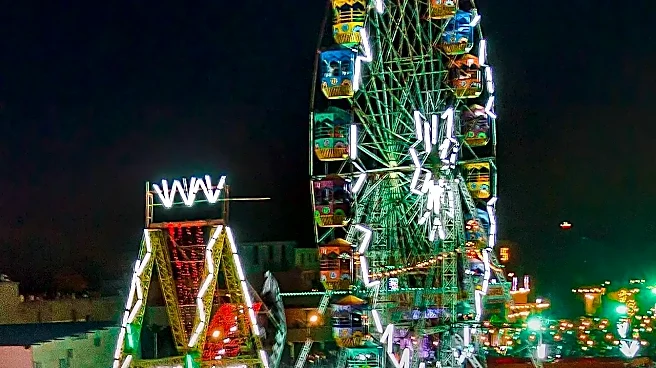
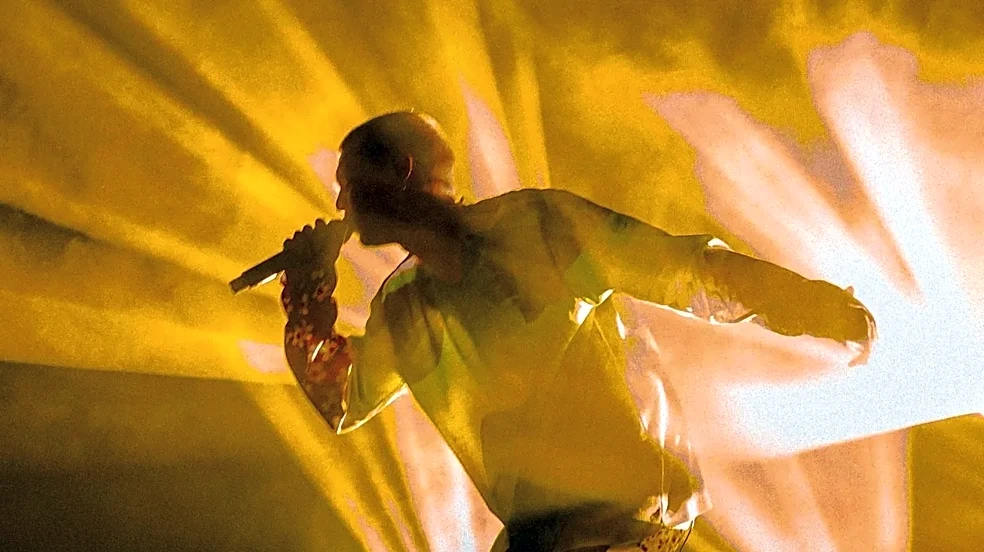
Camp Flog Gnaw is less a conventional music festival and more a tangible extension of Tyler, the Creator’s artistic vision. The two-day constraint forces a tight, deliberate curation that stands in stark contrast to the sprawling, genre-agnostic lineups of larger festivals. Every artist, from hip-hop titans to indie darlings and experimental newcomers, feels personally selected. This focused approach transforms the event from a passive viewing experience into an active discovery of Tyler's creative world. Fans aren't just coming for the music; they're coming for the carnival rides, the art, and the specific 'weird kid' energy that defines the brand, fostering a loyal community that values authenticity over sheer scale.
Logistical Sanity and Accessibility
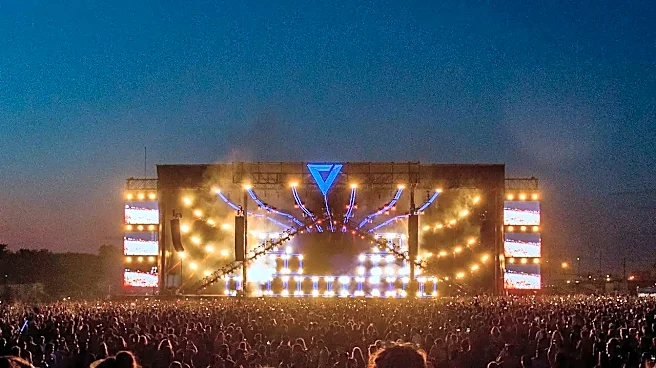
From a purely operational standpoint, a two-day event is simply more manageable. Staging a festival at a venue like Dodger Stadium involves immense logistical hurdles, from security to vendor coordination and artist travel. Containing this complexity within a 48-hour public-facing window, rather than a 72-hour one, streamlines operations and reduces the margin for error. This efficiency also benefits the audience. A two-day commitment is more accessible for fans in terms of both time and money. It lowers the barrier to entry for younger attendees and those traveling to Los Angeles, making it a feasible weekend trip rather than a demanding mini-vacation. This accessibility is key to maintaining its broad, youth-focused appeal.
Manufacturing Hype Through Scarcity
A shorter festival creates a powerful sense of urgency. With a stacked, eclectic lineup and only two days to see it all, every set feels like an event. This scarcity principle is a potent marketing tool, driving rapid ticket sales that often sell out in minutes. The feeling that you might miss a legendary performance or a surprise guest creates a 'can't-miss' buzz that a longer, more diluted festival struggles to replicate. The entire weekend is programmed for high impact, with little downtime, ensuring the energy remains high from the opening act on Saturday to the final headliner on Sunday night. This concentrated excitement makes the festival feel more special and memorable, reinforcing its status as a premier cultural event rather than just another stop on the festival circuit.