




The Persona We All Knew
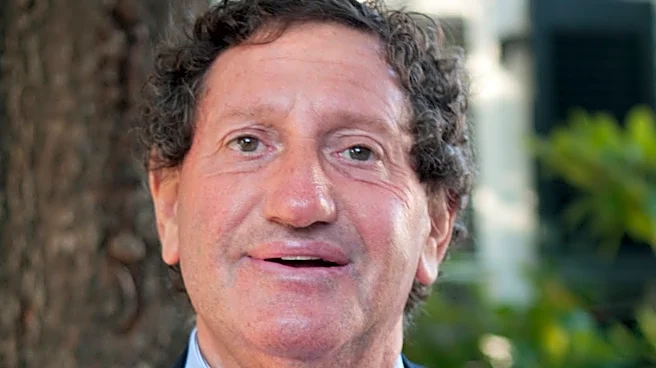
It’s impossible to think of Bob Saget without a few images immediately coming to mind. For an entire generation, he was Danny Tanner, the impossibly earnest and loving single father on “Full House.” Simultaneously, he was the affable host of “America’s
Funniest Home Videos,” a master of dad jokes and gentle comedy. Yet, a parallel track ran throughout his career: the raunchy, no-holds-barred stand-up comic, a persona so antithetical to his TV image that it became a running joke in itself. This was the Saget the public knew and loved—a man of two minds, one for primetime and one for the late-night comedy club. This duality defined his public image for decades, making the work he chose at the end of his life all the more fascinating.
A Final, Darkly Comedic Turn
Saget's final film role was in the dark comedy “Daniel’s Gotta Die.” The movie, which premiered after his death, follows a man whose dysfunctional family plots to kill him for his inheritance. Saget played Lawrence, the deceased patriarch's lawyer and fixer, a character who is droll and scheming. The part was a perfect synthesis of his talents. It required the sharp comedic timing he was famous for, but it was wrapped in a cynical, world-weary package that felt miles away from Danny Tanner. He was no longer just the nice guy or the dirty comic; he was a character actor playing in a more nuanced, morally ambiguous sandbox. This role wasn't just a cameo; it was a performance that leveraged his entire public persona and flipped it on its head.
A Collaborator to the End
Those who worked with him on his last project saw a dedicated artist intent on getting it right. The director of “Daniel’s Gotta Die,” Jeremy LaLonde, called Saget a true “collaborator” who “really loved this film.” Writer Matthew Dressel noted that Saget took on a “fatherly role” with the project and was meticulous about his performance. According to Dressel, Saget was intent on bringing the character’s heart to the surface and constantly had script pages in hand to ensure his portrayal was true to the writer's vision. This wasn't an actor coasting on his fame; it was a craftsman deeply engaged in his work, still pushing himself. His commitment suggests he found something in these final roles that genuinely excited him as a performer—a chance to show the world the full spectrum of his abilities.
A Legacy of Unexpected Depth
While Saget’s career was filled with iconic roles, his final performances feel different. They weren't just jobs; they were choices that hinted at a new chapter he was just beginning to explore. His part in “Daniel’s Gotta Die” wasn't a one-off attempt at drama; it was part of a larger pattern of taking on roles that challenged audience expectations, like his memorable cameo as a cocaine addict in the stoner comedy “Half Baked.” These roles weren't about shocking the audience but about showing his range. He had mastered the art of being America’s Dad and the art of the filthy joke. What remained was the vast space in between—the territory of complex, flawed, and deeply human characters. His final roles were a declaration that he was, and always had been, more than just one thing.