







Set the Anchor, Let the Rest Drift
A typical tournament Saturday or Sunday can feature three or four matches, often back-to-back. The rookie mistake is trying to treat each one like the Super Bowl. You’ll be exhausted by the 70th minute of game two. Instead, pick one anchor match for the day.
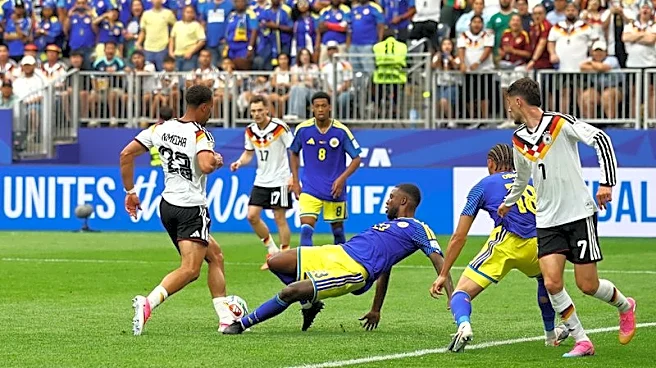
This is your main event. It might be the team you’re emotionally invested in, a clash of titans like Brazil vs. Argentina, or the game with the highest stakes. For this match, you can go all in: pull on the jersey, pay close attention to the tactics, and feel every near-miss. For the others? They become atmospheric background noise. Let them play on the TV while you chat, prep food, or scroll your phone. They provide the ambient hum of a true soccer festival without demanding your full, undivided attention.
The All-Day Grazing Menu is Your MVP
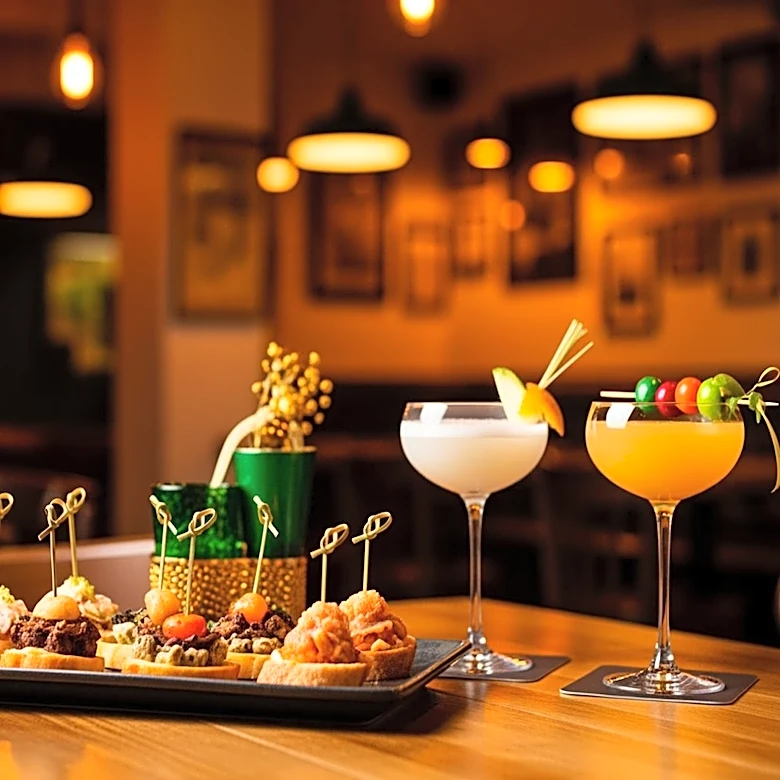
Forget a sit-down meal with complex timing. A soccer cup weekend is about a long, slow burn. The best food strategy is one that allows for continuous, low-effort grazing. Think of it as a culinary open-door policy. A big pot of chili, a slow-cooker full of pulled pork for sliders, or a massive platter of nachos that can be refreshed are all perfect. The goal is food that’s still good hours after it’s made and can be eaten from a bowl or a napkin while standing up and yelling at the television. Supplement this centerpiece with bags of chips, a simple dip, and a cooler full of drinks. This isn’t about impressing anyone with your culinary skills; it’s about fueling the fun with maximum efficiency and minimal stress. The host should get to watch the games, too.
Establish an Open-House Policy
The best tournament gatherings aren't formal parties; they're fluid social hubs. Ditch the formal invitations and specific start times. Instead, send a group text that says something like, “I’ll have the games on all day and there’s chili. Swing by whenever.” This approach removes all social pressure. Friends can drop in for a single match, stay for 30 minutes between errands, or settle in for the entire day. People come and go, the conversation ebbs and flows with the on-screen action, and the energy in the room shifts naturally. This creates the feeling of a public square or a neighborhood pub, a place where the community gathers around a shared spectacle. It allows the social dynamic to build itself, organically, around the rhythm of the tournament.
Curate Your Commentary
Sometimes the official broadcast commentary just doesn’t match the vibe. Maybe it’s too dry, too biased, or you just can’t stand a particular announcer’s voice. You have options. The modern fan knows how to create their own audio experience. Mute the TV and put on a soccer podcast or a fan-led stream for an alternative take. Many international fans sync up commentary from their home country for a more passionate, authentic feel. Another classic move is to turn the TV down and put on a great music playlist. This transforms the event from a serious sports analysis session into a lively, energetic hangout where the game is the visual centerpiece, not the sole focus of all conversation. It’s your living room; you get to be the broadcast director.
Find a Story, Not Just a Score
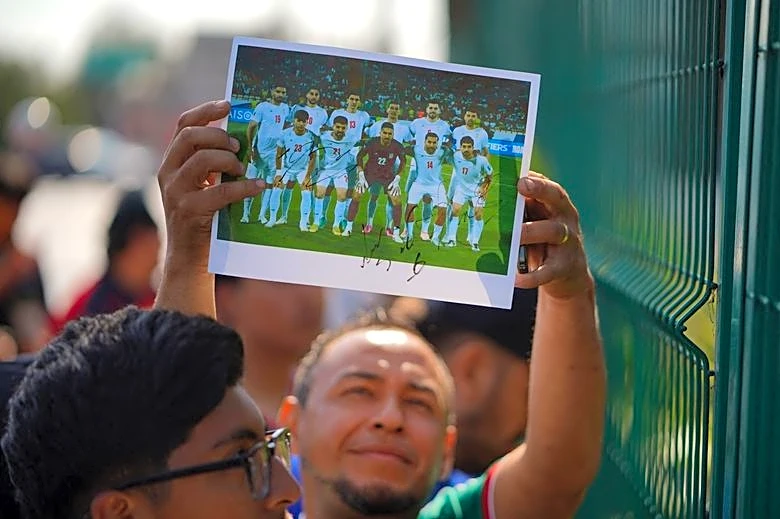
What makes these tournaments so compelling isn’t just the athletic display; it’s the narrative. Every World Cup or Euros is a collection of incredible stories. There’s the aging superstar on their last ride, the underdog nation that captures the world’s heart, the bitter rivalry with decades of history, the young phenom announcing their arrival. Instead of just tracking wins and losses, let yourself get pulled into these plotlines. Pick a team you know nothing about and make them “your” team for the day. Learn about their star player’s journey. Root for chaos. Root for the Cinderella story. When you’re invested in the human drama, the outcome of any single game feels less important than the unfolding spectacle of it all. The weekend stops being a series of results and becomes a chapter in a global saga.