





The term “monochromatic eye look” can sound intimidating, like something reserved for runway models and professional makeup artists. But it's actually one of the simplest, most elegant, and hardest-to-mess-up techniques in your beauty arsenal.
What It Actually Means
First, let's
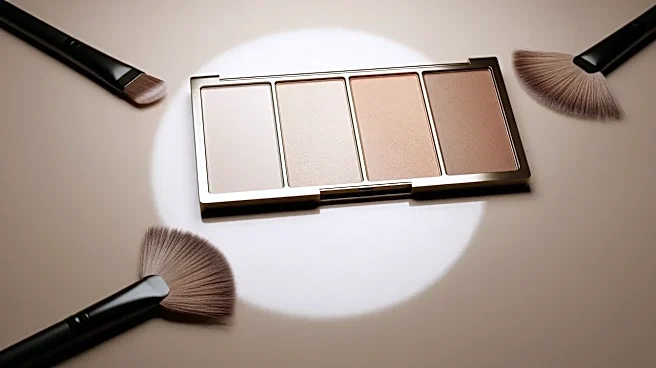
clear up the definition. Monochromatic doesn't mean using one single, flat eyeshadow color across your entire lid. It means using shades that all belong to the same color family to create a cohesive, harmonious look. Think of it as a color story—a collection of tones, from light to dark, that work together. A monochromatic look in shades of pink could include a soft rose on the lid, a deeper magenta in the crease, and a shimmery petal pink on the inner corner. The goal is harmony, not monotony. This approach takes the guesswork out of pairing colors and results in a polished, intentional style.
Myth: It Means Using Only One Product
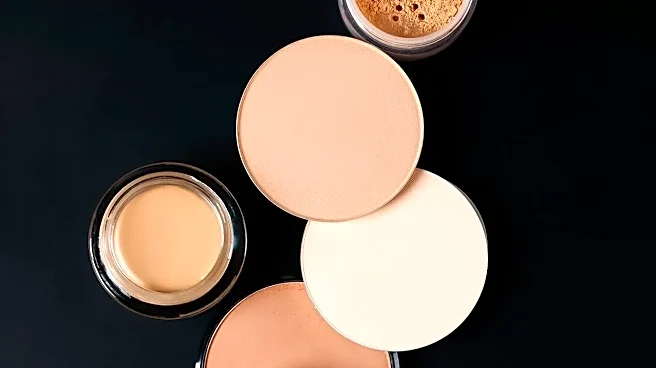
A common mistake is thinking a monochromatic look must come from a single pot of cream eyeshadow. While multi-use products like cheek and lip tints are great for creating a cohesive face, an eye look benefits from dimension. You can, and should, play with different textures and finishes within your chosen color family. A matte shadow can define the crease, while a shimmer or satin finish on the lid can catch the light and add excitement. You can also incorporate a coordinating eyeliner to add definition. The key is that all the products—whether they're powder, cream, matte, or metallic—adhere to your central color theme.
Myth: It Has to Be Neutral and Boring
Many people hear "monochromatic" and immediately picture shades of beige or brown. While a neutral monochromatic eye is a timeless and sophisticated choice, the technique is not limited to subtle colors. You can create a stunning monochromatic look with any color family you love, from peaches and corals to vibrant purples, blues, or even greens. This method is about the technique of using a single color family, not about restricting your palette to only muted tones. A bold pink or a rich burgundy look can be just as chic and balanced, offering immense versatility for any occasion.
The Secret Is Creating Dimension
The most effective monochromatic eye looks avoid flatness by building dimension. This is where using different tones from your chosen color family comes into play. A simple, foolproof method is to apply a medium shade all over the lid. Then, take a deeper shade from the same family and blend it into the crease to create depth and contour. Finally, use the lightest, often shimmery, shade on the inner corner of the eye and on the brow bone to highlight and open up the eyes. Blending is crucial; you want seamless transitions between the tones, not harsh lines. This layering of light, medium, and dark tones within one color family is what gives the look its professional, polished finish.
How to Choose Your Color
Choosing the right color is less about rules and more about what complements your skin tone and what you feel good in. A good starting point is to consider your skin's undertones. Warm undertones often shine with peaches, rusty oranges, and warm browns, while cool undertones are beautifully complemented by pinks, mauves, and plums. You can also pick a color that makes your eyes pop—mauves for green eyes, or soft roses for blue eyes, for example. Don't be afraid to experiment. The beauty of this technique is its simplicity, which makes it a low-risk way to play with colors you might normally shy away from.