




The Process is the Point
Let's get the terms straight. When we talk about "plot," we're talking about the external stakes: Will the restaurant earn a Michelin star? Will Carmy and Sydney finally burn it all down or find equilibrium? Will they pay back Cicero? These are interesting
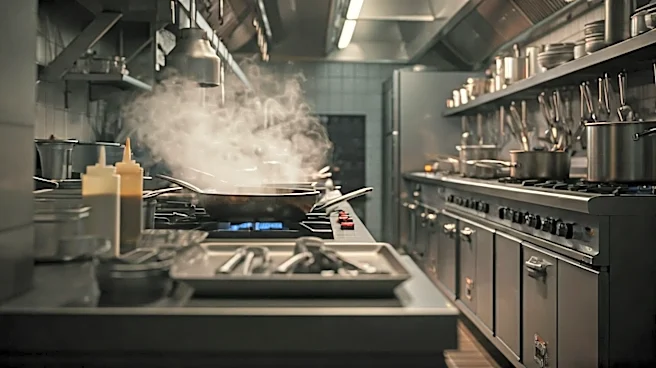
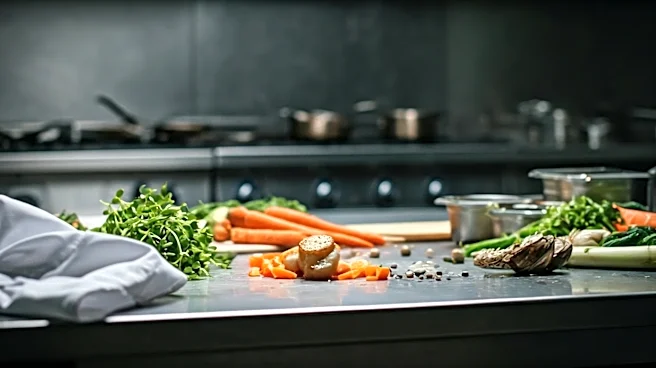
questions, but they aren't the engine of the show. The engine—the thing that makes The Bear a cultural phenomenon—is "process." It's the meticulous, maddening, and mesmerizing depiction of the work. It’s the knife skills, the frantic calls of "Corner!" and "Heard!", the shared language of a kitchen under fire. The show's most unforgettable moments aren't plot twists; they are extended dives into the grueling art of creation.
When the Show Was Its Best
Think back to the show’s most celebrated episodes. Season one’s “Review” was a breathtaking, 18-minute single take of a kitchen descending into chaos after a ticketing machine goes haywire. The drama wasn't in a sudden reveal, but in the escalating pressure of the system breaking down. The tension was entirely process-driven. Even more potent was season two’s “Forks,” a quiet masterpiece that followed Richie's transformation while staging at a high-end restaurant. The entire episode is about him learning to find purpose and respect in the meticulous, repetitive act of polishing forks and serving guests. His reward isn't a promotion or a windfall; it's a newfound understanding of his own value. These episodes prove that The Bear is at its most powerful when it has the confidence to let its characters simply exist within their work.
The Temptation of a Tidy Ending
The danger for any beloved show's finale is the urge to tie everything up in a neat bow. It would be tempting for the writers to give us a dramatic, plot-heavy ending: a fire, a surprise villain, a last-minute miracle that solves every financial problem, or a definitive romantic resolution for Carmy. But any of those choices would feel like a betrayal. The Bear has never been a fairy tale; it’s a painfully realistic story about broken people trying to build something functional out of their shared trauma and passion. A finale that prioritizes shocking plot points would undermine the grounded, messy, and deeply human world the show has so carefully constructed. The characters aren't chess pieces to be moved into a checkmate position; they are chefs in a kitchen, and the work is never truly done.
Let Them Cook
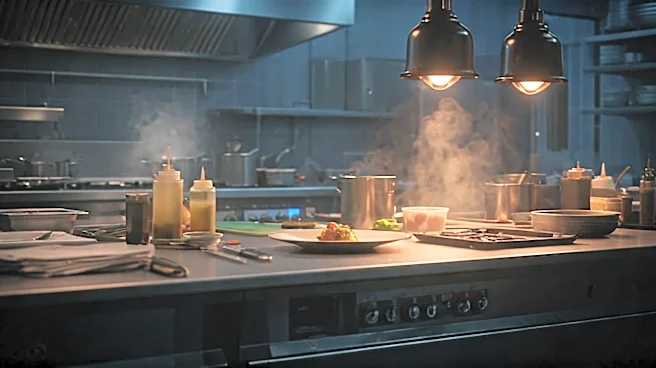
So, what would a finale that trusts its process look like? It would look a lot like another service. The stakes would be high, of course—maybe it’s the night of a major review, or a storm is bearing down on Chicago. But the core conflict would be the same as always: Can this flawed, brilliant, found family get through it together? The drama would come from a communication breakdown between Sydney and Carmy, from Marcus nailing a dessert under impossible pressure, from Richie seamlessly de-escalating a front-of-house crisis. The climax wouldn't be a business ledger turning from red to black, but a quiet moment of shared understanding after the last plate has gone out. It would end not with a definitive answer, but with the sense that these characters will be back tomorrow to do it all over again, because that’s what it means to run a restaurant. The process, for them and for us, is the entire point.