




Defining Performance Tailoring
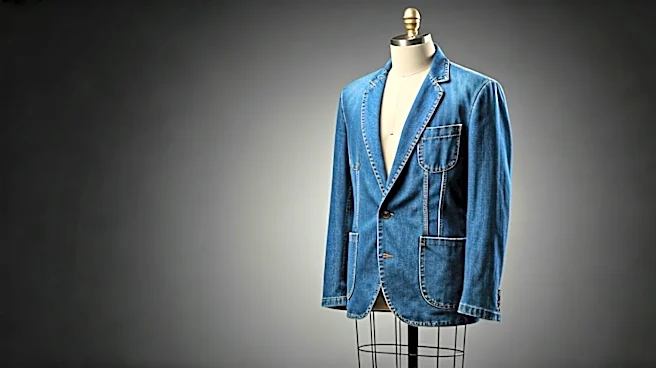
At its core, performance tailoring is the art of applying the technology of athletic and outdoor gear to the world of high fashion. Think of it as the lovechild of a Savile Row suit and a high-end Arc'teryx ski jacket. It’s not just about slapping a pocket
on a blazer; it’s a fundamental rethinking of how clothes should move, feel, and protect us. Where traditional tailoring prized structure and form, often at the expense of comfort, performance tailoring prioritizes mobility, breathability, and weather resistance. The result is a garment with the sharp silhouette of a classic overcoat but the functional soul of technical outerwear—something that looks just as at home in a board meeting as it does on a bike commute through a sudden downpour.
The Materials Science Lab
The “science” part of the equation lives in the fabric. Designers are raiding the materials science playbook, borrowing textiles once reserved for mountaineers and elite athletes. The most famous is GORE-TEX, a waterproof, windproof, and breathable membrane that’s become a status symbol in its own right. Its magic lies in a structure with billions of pores per square inch—each one 20,000 times smaller than a water droplet but 700 times larger than a water vapor molecule, letting sweat escape while keeping rain out. But it doesn't stop there. We’re seeing laser-cut patterns for ventilation, ultrasonic welding instead of traditional stitching to create perfectly flat, waterproof seams, and fabrics with built-in stretch that move with the body. Lightweight, ripstop nylons and innovative wool blends offer durability and thermo-regulation, proving that function can be the ultimate luxury.
From the Mountain to the Runway
So why is this happening now? This trend is a direct response to modern life. First, there's the 'gorpcore' phenomenon—the widespread aesthetic embrace of functional outdoor brands like Patagonia, The North Face, and Arc'teryx. What started as a niche trend has gone mainstream, making technical gear a signifier of taste and practicality. Second, our lives demand it. Increasingly unpredictable weather patterns and active, urban lifestyles mean we need clothes that can handle a surprise rainstorm, a crowded subway, and a chilly office, all in the same day. High-fashion designers are simply meeting that demand, using their creative vision to elevate these practical needs into something beautiful and desirable. They’re proving that you don’t have to choose between looking good and feeling prepared.
The Next Frontier: Smart Textiles
If today’s performance tailoring is about advanced materials, tomorrow's is about intelligent ones. The next wave of innovation, already bubbling up in experimental collections, involves 'smart textiles.' These are fabrics integrated with technology to actively respond to the wearer or the environment. Imagine a jacket lining that changes its thermal properties based on your body temperature, or fabrics that can harvest kinetic energy from your movement to power small devices. Designers are exploring everything from biometric sensors woven into garments to photo-chromatic dyes that change color in sunlight. While still largely conceptual, this integration of body-data and responsive materials represents the ultimate expression of performance: clothing that doesn't just protect you, but actively works with you.