



The Real Problem Isn’t the Pieces, It’s the Plan
The fundamental mistake first-time seasonal shoppers make is treating clothing, hair, and makeup as three separate shopping lists. You buy a trendy oversized blazer, a new floral-scented hair oil, and a shimmery liquid eyeshadow, but you never stop to ask
if they belong in the same look. The “real reason” for the frustration is a lack of a unified vision. A successful spring refresh isn’t about collecting individual “essentials”; it’s about building a cohesive look where every element complements the others. Without a strategy, you’re just acquiring clutter. You end up with a closet full of clothes and nothing to wear because the new items don't integrate with each other or what you already own. The key is to think like a stylist: start with a mood or a feeling, and let that guide your choices across all three categories.
You’re Shopping for a Fantasy Life
Social media shows us an endless scroll of flawless spring aesthetics: picnics in wildflower fields, breezy coastal afternoons, and chic city brunches. It’s easy to get seduced by these fantasy scenarios and shop for the person you imagine yourself to be in them. The problem? That fantasy person may not have your budget, your daily routine, or your climate. Buying sheer balloon pants or a headscarf because they looked great on a runway model seems like a great idea, but they can feel out of place on a Tuesday morning commute. Before you buy, perform a simple reality check. Does this fit into your actual life? A more effective approach is to identify the feeling of those fantasy looks—lightness, color, ease—and find practical ways to incorporate it into your real-world wardrobe. Maybe it’s not a full linen suit, but a pair of wide-leg trousers in a breathable fabric that gives you the same relaxed silhouette.
Forgetting to ‘Shop Your Closet’ First
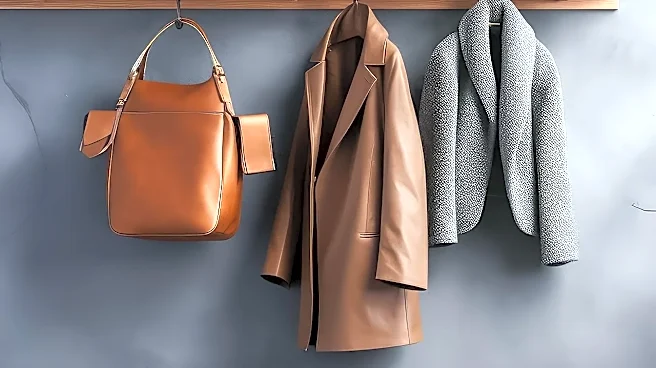
Many shoppers approach a new season with an “all or nothing” mentality, believing a refresh requires a completely new wardrobe. This is not only expensive but also ineffective. The most stylish people build upon a solid foundation of basics. Before you buy a single new thing, take inventory of what you already have. Pull out your transitional pieces: lightweight sweaters, denim jackets, classic white sneakers, and neutral trench coats. These are the workhorses that will help you integrate new spring items. Once you know what you have, you can create a targeted shopping list for what you truly need. You might realize that all you’re missing is a colorful top to go with three pairs of pants you already own, or a new blush to freshen up your existing makeup routine. This prevents you from buying redundant items or pieces that don't match anything.
Treating Your Head and Hangers Separately
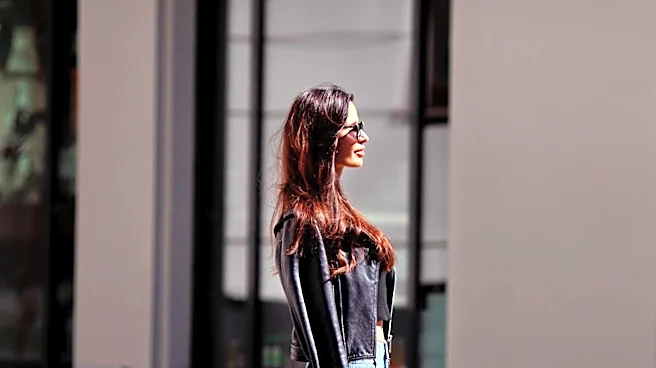
This is the central mistake. You find a perfect pastel dress, but your makeup routine is still stuck in the deep, matte tones of winter. Or you master a sleek, wet-look hairstyle, but your outfits are more casual and bohemian. The result is a look that feels disjointed. A cohesive style requires thinking about the whole picture. If you’re planning to wear light, flowing fabrics, your makeup should probably follow suit with luminous skin and softer colors. If you buy a blouse with a cool-toned lavender print, a warm, coral-toned lipstick might clash. A simple rule is to match the intensity. A bold, colorful outfit often pairs best with more understated makeup—maybe just a pop on the lips—while a simple, neutral outfit can handle a more dramatic eye. Your hairstyle also sets a tone; a relaxed updo can make a formal dress feel more casual, while a sharp bob can elevate a simple t-shirt and jeans.
Chasing Fleeting Trends Over Personal Style
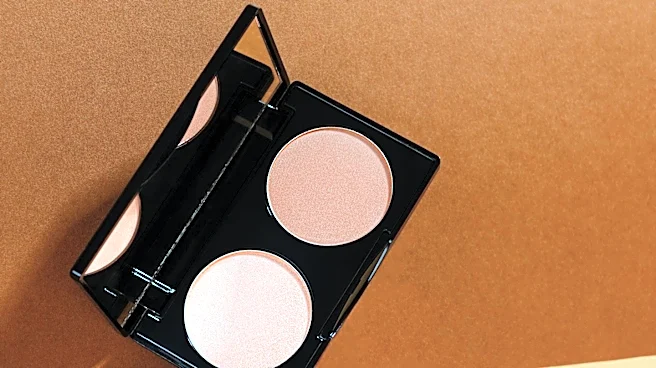
Every spring brings a new wave of micro-trends: bug-eyed sunglasses, flower-applique sandals, a specific shade of apricot blush. First-time shoppers often feel pressured to adopt them all, leading to a collection of items that don't reflect their personality and will likely feel dated by next year. It’s far more strategic to identify two or three trends that genuinely excite you and work with your existing style. Instead of buying something just because it’s trending, ask yourself if you would still love it if it weren’t “in.” Building a personal uniform—a reliable silhouette or color palette that makes you feel confident—is more sustainable than chasing every new fad. You can then use trends as a way to update your uniform, rather than letting them dictate it entirely.