



1. 1934: The Birth of Qualification
The inaugural 1930 World Cup in Uruguay was a charming, chaotic affair. With travel being a major hurdle, it was an invitational tournament with only 13 teams, nine from the Americas and four from Europe. For the event to become truly global, it needed a bigger, more structured format. The 1934 tournament in Italy introduced the first major change: expansion to 16 teams. More importantly, it established the principle of qualification. Suddenly, 32 nations entered, and 16 had to play their way in. This single change transformed the World Cup from a curated party into a genuine global competition where you had to earn your spot. It even created the tournament's first great irony: the reigning 1930 champions, Uruguay, refused to participate, partly
in protest of the poor European turnout for their own tournament four years prior. This expansion laid the foundation for the merit-based drama that defines the World Cup to this day.
2. 1982: A New World Opens Up
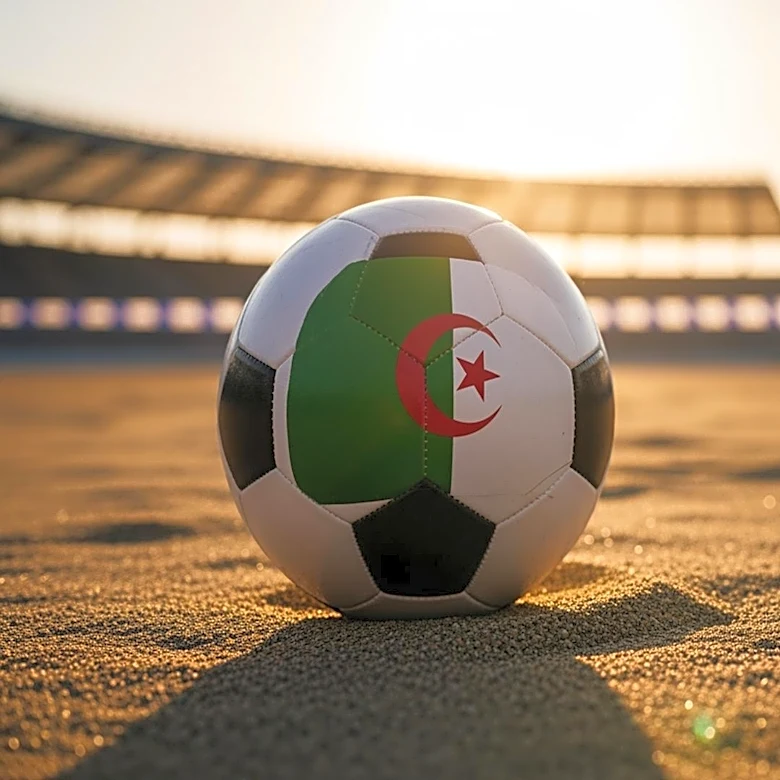
For nearly three decades, the 16-team format was the standard. But by the 1980s, the world of soccer had grown. Powerful nations from Africa and Asia were demanding more seats at the table. The expansion to 24 teams for the 1982 World Cup in Spain was a direct response to this pressure. It fundamentally altered the tournament's DNA, moving it from a primarily Euro-South American affair to something more representative of the entire planet. This expansion gave us some of the most memorable underdog stories. Cameroon’s “Indomitable Lions” went undefeated, drawing with eventual champions Italy and announcing Africa's arrival on the world stage. Algeria famously beat West Germany in a stunning upset. While neither team advanced, their performances proved that the expansion wasn't just about adding numbers; it was about adding new, vibrant contenders who could challenge the old guard.
3. 1982: The Disgrace of Gijón
Expansion creates unintended consequences, and none were more infamous than what happened in Spain. The 1982 format featured second-round groups of three, but the real controversy brewed in the first round. In the final group game between West Germany and Austria, both teams knew that a 1-0 win for the Germans would see them both advance at the expense of Algeria, who had played their final match the day before. After West Germany scored in the 10th minute, the match devolved into a farce. The two teams just kicked the ball around aimlessly, making no attempt to score, securing their mutually beneficial result. The global outrage over the “Disgrace of Gijón” forced FIFA to act. From then on, all final group stage matches in every World Cup have been played simultaneously to prevent collusion. It's a perfect example of how a structural change—expansion—can expose new loopholes and force further evolution.
4. 1998: The 32-Team 'Golden Era'
If you grew up watching the World Cup between 1998 and 2022, the 32-team format is what you know. Introduced for the tournament in France, this expansion to eight groups of four became the modern standard, and for good reason. It was seen by many as the perfect balance. It was large enough to be globally inclusive, granting debuts to countries like Japan, Jamaica, and South Africa, but small enough that the quality of play remained exceptionally high. The format was clean: the top two from each group advance to a straightforward 16-team knockout bracket. There were no confusing third-place calculations or second-round group stages. This structure produced classic tournaments, iconic moments, and a simple, dramatic path to the final. For a quarter-century, the 32-team World Cup defined the rhythm of a soccer fan's summer, a beloved format whose era is now officially over.
5. 2026: The 48-Team Gamble
The next great expansion is already upon us. The 2026 World Cup, hosted across the U.S., Canada, and Mexico, will feature a massive 48 teams. This leap is the largest in the tournament’s history and by far the most controversial. Proponents, including FIFA, argue it’s the ultimate step in making soccer a truly global game, giving dozens of other nations a realistic dream of qualifying. More teams mean more fanbases engaged and, not coincidentally, more broadcast revenue. Critics, however, fear a significant dilution of quality, with a bloated group stage potentially featuring lopsided, uninteresting matches. They argue it’s a cash grab that risks sacrificing the tournament's elite prestige for sheer size. The format itself, with 12 groups of four and a new Round of 32, is complex. Whether it ushers in a new era of global celebration or becomes a case of “too much of a good thing” will define the next chapter of World Cup history.