



First, What Is an Opera Necklace?
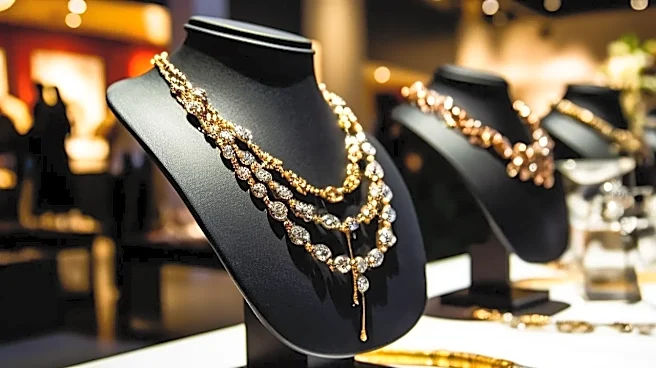
Before diving into value, let's define our terms. An opera necklace is characterized by its impressive length, typically falling between 26 and 36 inches. This allows it to drape beautifully over the chest, hitting at or below the bust line. Its name
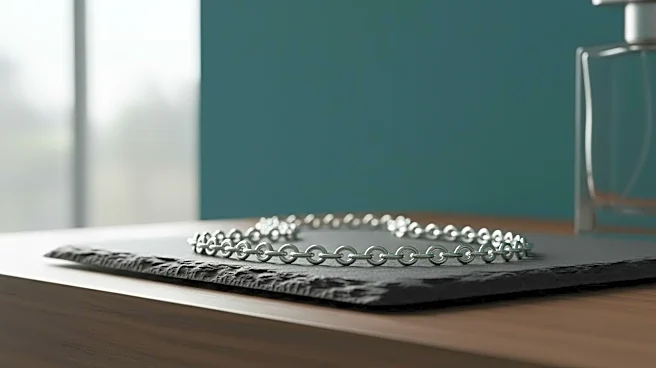
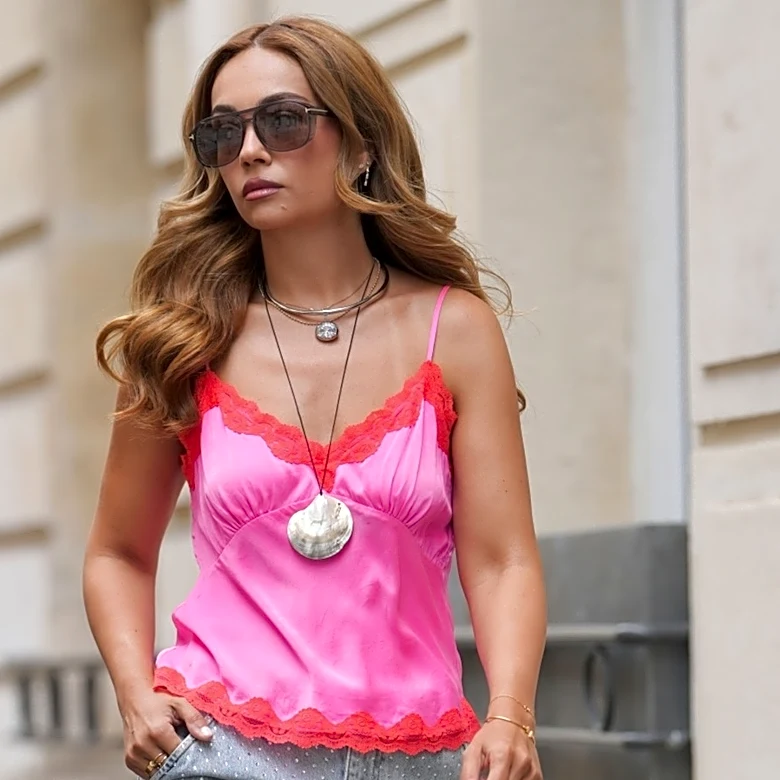
evokes the formal eveningwear it was historically paired with, but its modern appeal lies in its versatility. A single strand can be worn long and loose, or it can be doubled up for a chic, layered choker effect, making it several necklaces in one. While most often associated with pearls, they can be made of gemstones, gold chains, or other precious materials.
The Tangible Value: Materials and Quality
A significant part of an opera necklace's cost is tied to its physical components. For pearl necklaces, value is determined by several key factors: luster (the quality of the shine), surface quality (the absence of blemishes), shape (perfectly round is rarest), and size. A strand of large, perfectly matched South Sea pearls with a mirror-like luster will command a much higher price than a strand of smaller, less uniform freshwater pearls. The same logic applies to gemstones and metals. The rarity of the stones, the weight and purity of the gold or platinum, and the sheer quantity of material needed for a 30-plus-inch strand all contribute to the base cost.
The Intangible Premium: Craftsmanship and Brand Heritage
This is where the price can skyrocket beyond raw material cost. High jewelry, or haute joaillerie, is considered the couture of the jewelry world. A piece from a famed house like Cartier, Buccellati, or Van Cleef & Arpels carries a premium for its design, history, and brand prestige. You are paying for the hundreds, sometimes thousands, of hours of meticulous labor by master artisans who hand-fabricate each element, ensuring every setting is perfect and every link is flawless. This level of craftsmanship results in superior durability and a level of artistry that mass-produced jewelry cannot replicate. That premium also functions as an investment in a piece of wearable art that often retains or even gains value over time.
The Case for 'Worth It'
For those who see jewelry as a long-term investment and an expression of personal style, the premium is often justified. An opera necklace from a prestigious brand is a legacy piece, designed to be passed down through generations. Its value is protected by the brand's reputation and the rarity of the piece itself. Furthermore, its versatility makes it a workhorse of a fine jewelry collection. The ability to style it long, doubled, or even knotted offers multiple looks, increasing its cost-per-wear value compared to a piece suitable for only one type of occasion.
The Case for 'Not Worth It'
For a more value-conscious buyer, paying a massive premium for a brand name may not make sense. The difference in price between a necklace from a luxury brand and a visually similar one from a high-quality, non-branded jeweler can be enormous, even if the material quality is comparable. This premium is paying for marketing, retail overhead, and brand positioning, not just the object itself. Excellent value can often be found with independent jewelers who can custom-make a piece to your specifications or in the vintage and estate market, where you can acquire a beautifully crafted piece with history for a fraction of the original retail price. In these cases, you prioritize intrinsic material value and craftsmanship over a famous logo.