



The Obvious Traps Most Buyers Fall For
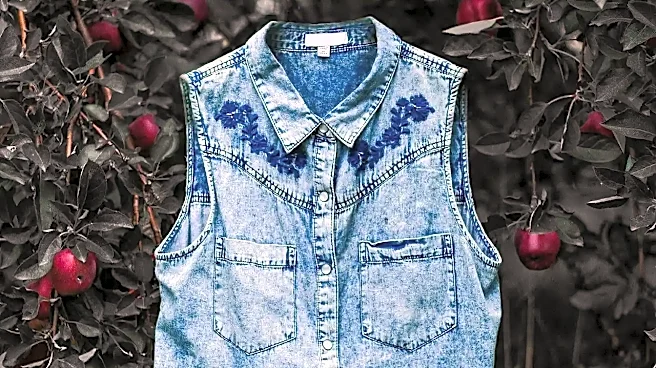
Walk into any store, and you're surrounded by an ocean of blue. The first thing that grabs your eye is the color—is it a dark, raw indigo, a vintage medium wash, or a sun-bleached light blue? This is the shirt's 'wash,' and it's pure aesthetics. Next,
you try it on. Does it fit well across the chest and in the arms? Is it the slim, modern cut you want or a more traditional, boxy fit? These are perfectly valid considerations. They determine if you’ll wear the shirt. But they say almost nothing about how well it was made. Mass-market brands have perfected the art of creating appealing washes and trendy fits on the cheap. A shirt can look great on the rack and feel right in the fitting room, only to lose its shape, twist at the seams, or feel less comfortable after a few wears and washes. Focusing only on these superficial qualities is how you end up with a closet full of disposable clothing.
The Real Tell: Check the Shoulders
The secret to identifying a truly well-made denim shirt lies in a place most people never think to inspect: the yoke. The yoke is the panel of fabric that runs across the back of the shirt, connecting the collar to the sleeves and the main body. On the vast majority of shirts, this is a single, solid piece of fabric. It’s simple and cost-effective to produce. But on a high-quality shirt, you’ll often find a 'split yoke.' This means the yoke is constructed from two separate pieces of fabric, sewn together with a seam running down the center. At first glance, this might seem like a minor stylistic choice, but it’s a deliberate and more complex construction technique that directly impacts fit and comfort. Because it requires more fabric, more cutting, and more sewing, it’s a detail that fast-fashion producers almost always skip. Finding a split yoke is one of the clearest indicators that you're holding a superior garment.
Why a Seam Down Your Back Matters
So, why go to the trouble of splitting the yoke? It’s all about working with the fabric’s natural properties. When fabric is woven, it has very little stretch vertically or horizontally, but it has a significant amount of give when pulled on a diagonal (the bias). A split yoke allows the shirtmaker to orient the two fabric panels so the weave on each side runs at an angle. This ingenious cut introduces a mechanical stretch across the shoulders that you wouldn’t get from a single piece of fabric. The result is a shirt that moves with you, offering greater comfort and a much better drape across the natural curve of your back. It accommodates a wider range of motion without straining the seams, whether you're reaching for something on a high shelf or just driving your car. It’s a subtle but functional improvement that signals a deeper understanding of tailoring.
Other Subtle Signs of Lasting Quality
Once you know to look for a split yoke, you can start spotting other tells of a well-crafted shirt. Check the side seams near the hem. On better workwear-inspired shirts, you might see a small triangular piece of fabric called a gusset. This tiny addition reinforces a major stress point, preventing tears and ensuring the shirt lasts longer. Another detail is 'chain-stitch runoff,' where you'll find a trail of threads left hanging from the side seam. This isn't a mistake; it's a vintage-inspired feature resulting from the use of a specific, durable chain-stitching machine, often left intact as a nod to classic workwear construction. While these details, like the split yoke, don't scream for attention, they are the quiet hallmarks of a garment built with intention and durability in mind.