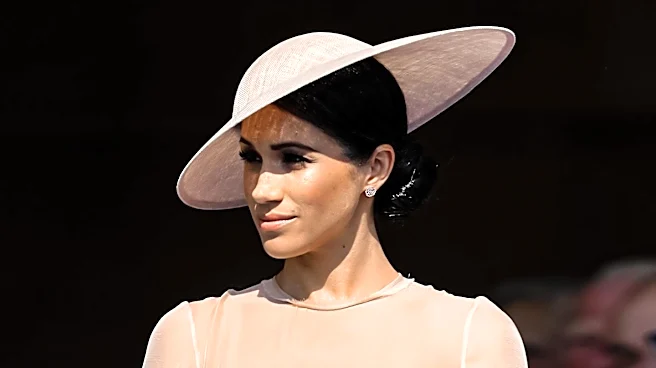






When a star steps onto the red carpet in a gown that seems to defy gravity, it feels like magic. But behind every jaw-dropping silhouette is a masterpiece of hidden engineering, blending artistry with architectural precision.
The Modern Corset: Not Just for Waist-Cinching
Forget the restrictive undergarments
of the Victorian era. Today's red-carpet corsetry is a sophisticated tool for creating a smooth, sculptural foundation. Designers build custom corsets directly into gowns, using flexible boning and technical fabrics to create a defined waist or a dramatic hourglass shape without sacrificing the wearer's ability to breathe. These modern corsets are less about constraint and more about providing a clean, powerful line that supports the rest of the garment's structure. They act as an internal chassis, ensuring the dress hangs perfectly while allowing for movement, proving that strength and style can coexist.
Creating Volume: Cages, Petticoats, and Horsehair
For the grand, fairytale ball gowns that command attention, designers rely on structures that create volume from within. Modern versions of crinolines and petticoats, often made from lightweight materials like tulle or specialized netting, are used to give skirts their epic fullness. Some designs incorporate flexible 'cages' or hoops that are engineered to be both light and strong. Another secret weapon is horsehair braid, a stiff, net-like ribbon sewn into the hems of gowns. This seemingly simple addition provides the rigidity needed to make a hemline flare out dramatically, giving a skirt that perfect, structured kick as the wearer walks.
Architectural Engineering: Boning, Draping, and Cantilevers
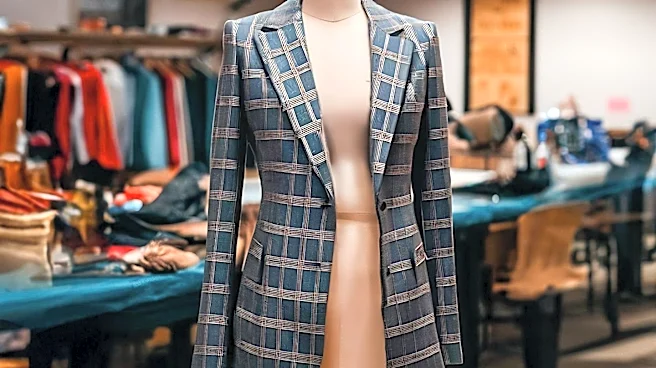
Some of the most breathtaking fashion moments are essentially wearable architecture. Designers like Iris van Herpen and the late Alexander McQueen have been known to treat the body as a form to build around, using principles of engineering to create seemingly impossible shapes. This involves strategic use of internal structuring, boning, and even cantilevered elements that jut away from the body, all hidden beneath the surface fabric. Intricate draping, which looks effortless, is often meticulously planned and supported by an unseen foundation to ensure each fold falls exactly as intended. The process often starts with a 'toile,' a prototype made from muslin, where the internal structure is perfected before the final, precious fabrics are even cut.
The Materials of Magic: From Steel to 3D Printing
The materials used for these hidden supports are as innovative as the designs themselves. While traditional materials like steel boning and tightly woven cotton coutil are still used for their strength in corsetry, designers now have a much wider palette. Lightweight plastics, carbon fiber, and flexible polymers offer strength without the weight. Power mesh and other firm, technical knits provide shaping and support with more comfort and flexibility than ever before. In recent years, 3D printing has opened up new frontiers, allowing designers to create custom, intricate internal structures that are perfectly molded to a celebrity's body, creating shapes that would have been previously impossible to achieve with traditional methods. These technologies allow a garment to become a true second skin, a blend of handcrafted tradition and futuristic innovation.