


The Mosh Pit Years: An Outsider's Carnival
To understand Camp Flog Gnaw, you have to go back to its origins in 2012. It began not at the sprawling grounds of Dodger Stadium, but in a parking lot, feeling more like a block party for 2,000 loyalists of the anarchic hip-hop collective Odd Future
(OFWGKTA). In those early days, Tyler, the Creator was a provocateur, and his music on albums like 'Goblin' was confrontational, raw, and defined by a horrorcore aesthetic. The initial carnival reflected that energy. It was an extension of Odd Future's disruptive, skate-punk ethos—a place for the self-proclaimed 'weird kids' to congregate. The name itself, an anagram for 'Wolf Gang', tied directly into the fictional world of Tyler's early albums. The festival was a physical home for the internet-bred subculture that saw itself in Odd Future's rebellion against the mainstream.
The Pivot: From Chaos to Color
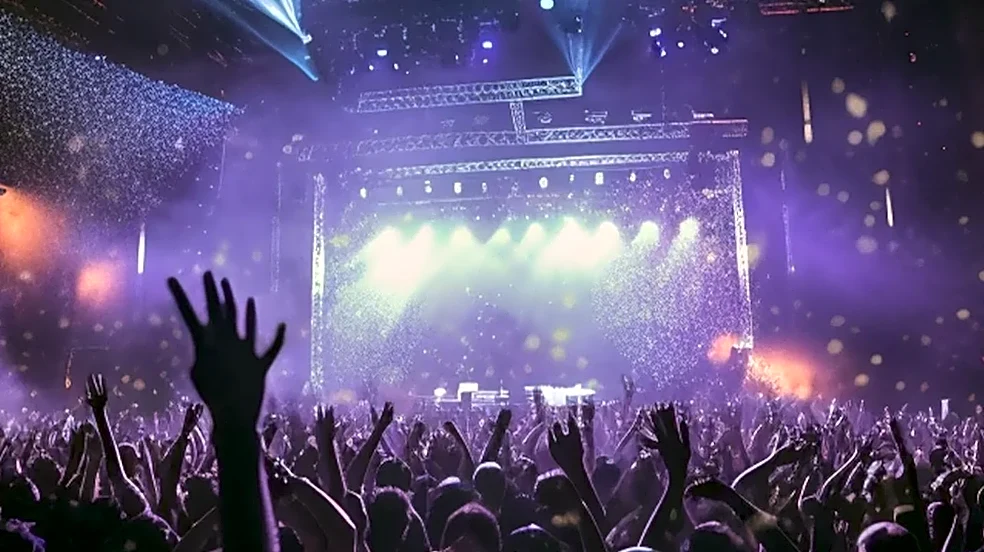
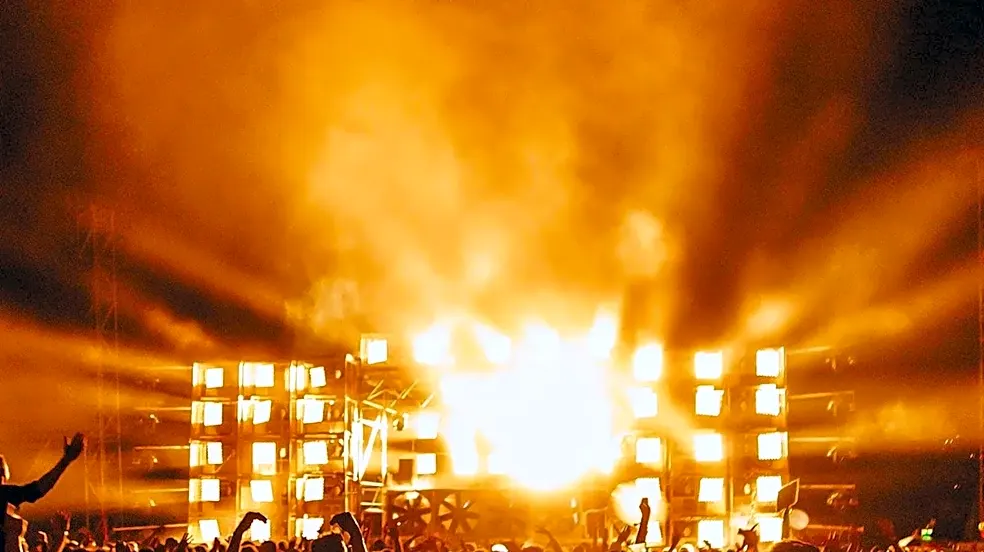
As Tyler’s career progressed, his sound underwent a profound transformation. The aggressive dissonance of his early work gave way to the sun-drenched, melodic vulnerability of 'Flower Boy' and the genre-bending, lovesick narrative of the Grammy-winning 'IGOR'. This wasn't just a musical shift; it was a personal and aesthetic evolution from a chaotic provocateur to a sophisticated, multifaceted artist. Camp Flog Gnaw evolved in lockstep. The festival's lineup began to diversify, its mood softened, and the overall atmosphere became more inclusive and curated. It grew from a one-day event to a two-day spectacle, attracting tens of thousands. The raw, punk energy of the early years was still present, but it was now complemented by a broader palette of sounds and experiences, mirroring Tyler's own journey from mosh pits to complex chord progressions.
A Curated Universe: More Than a Lineup
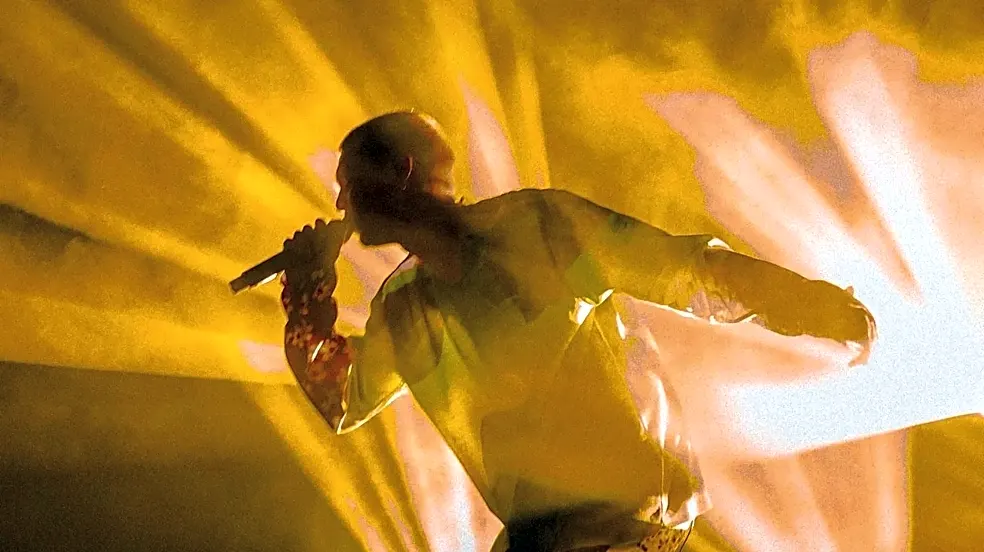
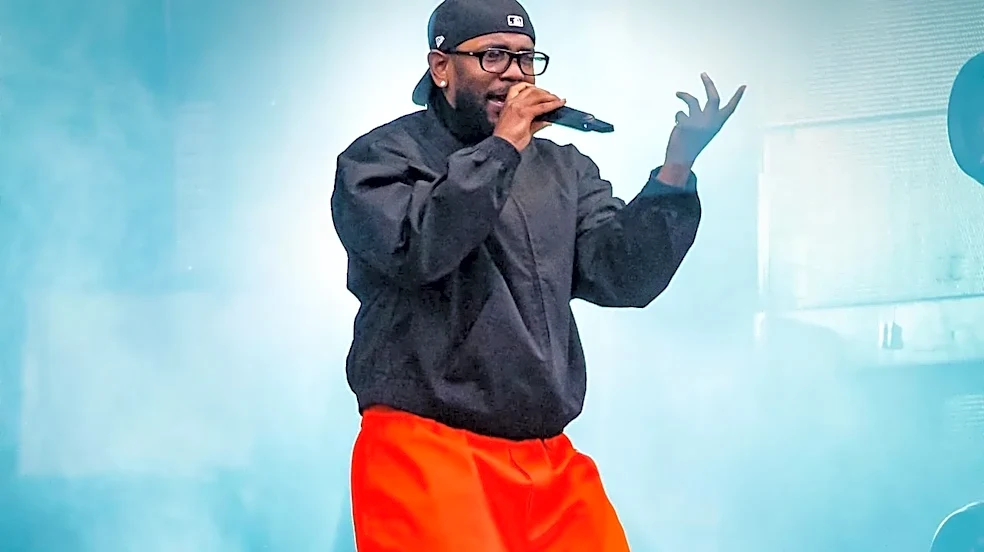
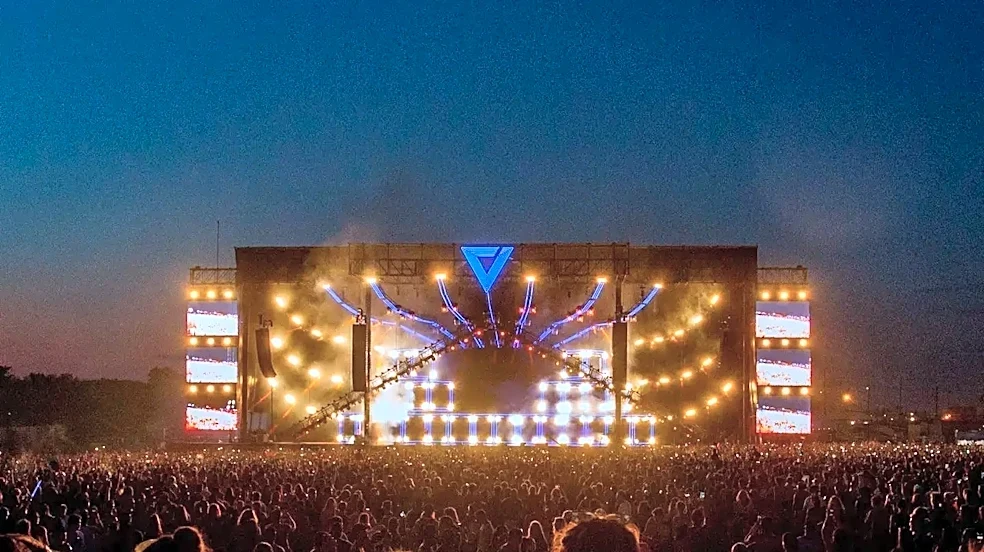
Today, Camp Flog Gnaw is less a traditional music festival and more an immersive world built from Tyler's imagination. The lineup is famously eclectic, functioning as a direct recommendation from its creator. A hardcore band like Turnstile can share a bill with a trap icon like Future and a classic soul group like Thee Sacred Souls. This genre-agnostic approach works because the festival's true headliner is Tyler's taste. He has spent his career building a brand that extends beyond music into fashion, design, and visual art, and the carnival is the ultimate expression of that brand. From the carnival rides and games to the exclusive GOLF le FLEUR* merchandise drops, every element is an intentional part of the world-building. It’s a space where Tyler’s relentless authenticity creates a platform for other unique and diverse voices to be celebrated.
The Fans Who Grew Up With Him
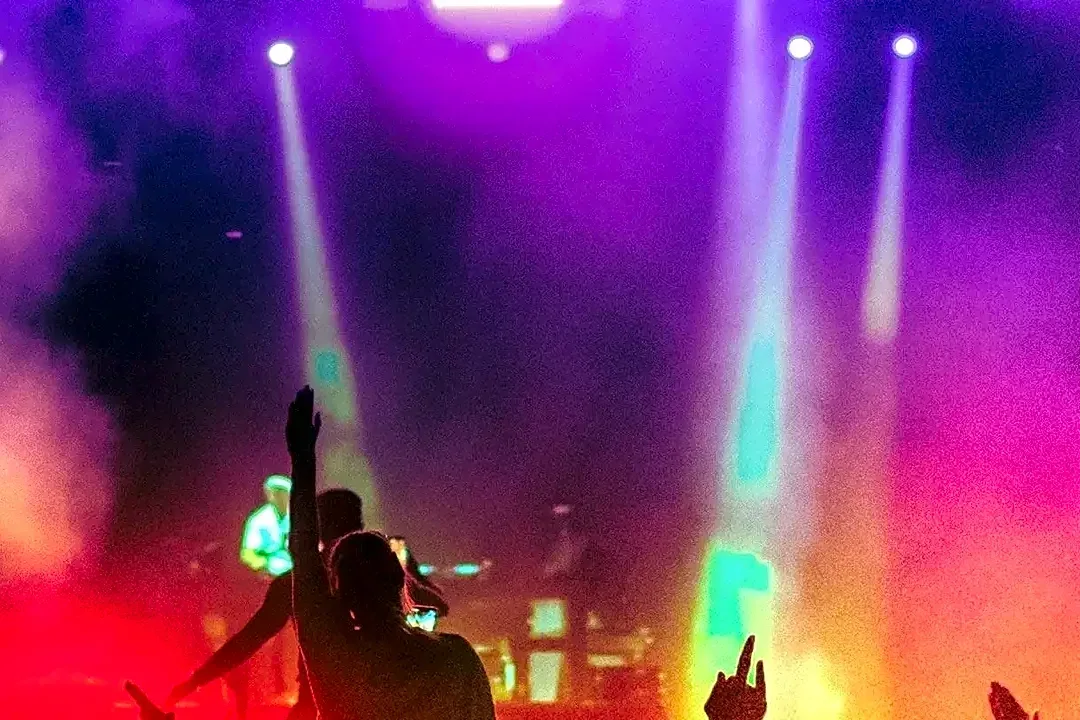
The final, crucial element is the audience. Many of the fans who flocked to the first carnival were teenagers, drawn to Odd Future’s outsider status. A decade later, those same fans are now young adults, and their relationship with Tyler has matured alongside his music. Walking the grounds of Dodger Stadium, you can see a living history of Tyler's career reflected in the fans' fashion—from old donut-print merch and 'Goblin'-era masks to the pastels of 'IGOR' and the tailored looks of 'CALL ME IF YOU GET LOST'. The festival acts as a kind of annual reunion for a generation that grew up online, with Tyler as a formative cultural figure. The bond is symbiotic; the fans' willingness to follow him through his various creative phases has given him the freedom to experiment, and in turn, he has created a space that celebrates their shared journey from youthful rebellion to adult complexity.