


From Fuel to Feature
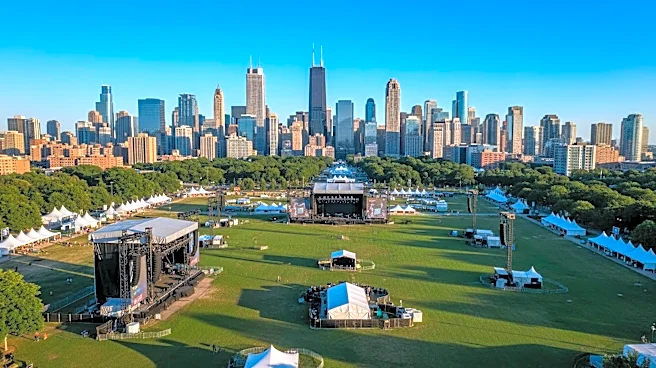
For the first few years of its revival in Chicago's Grant Park, Lollapalooza's approach to food was standard for any major outdoor event: uninspired and forgettable. Attendees needed to eat, so vendors were brought in to serve the most basic, high-volume
fare imaginable. Think generic burgers, greasy fries, and other carnival staples that served as little more than sustenance to get you through the next set. The food wasn't part of the attraction; it was a logistical necessity, a bland and often overpriced footnote in a weekend defined by sound and spectacle. No one left the festival talking about the amazing meal they had. That was, until a fundamental shift in strategy turned the entire concept of festival dining on its head.
The Chef-Curated Revolution
The turning point came in 2009 when Lollapalooza brought in celebrated Chicago chef and restaurateur Graham Elliot to be its culinary director. His mission was radical at the time: make the food lineup as exciting and curated as the musical one. Elliot saw an opportunity to do more than just feed a massive crowd. He envisioned a space where the festival’s culinary offerings could be a genuine reflection of its host city’s vibrant food scene. His goal was to get rid of the generic turkey legs and create a food experience that was authentic to Chicago. This wasn't just about upgrading quality; it was about creating a new pillar of the Lollapalooza brand. The food was no longer just going to be in the background—it was going to be a headliner in its own right.
Welcome to Chow Town
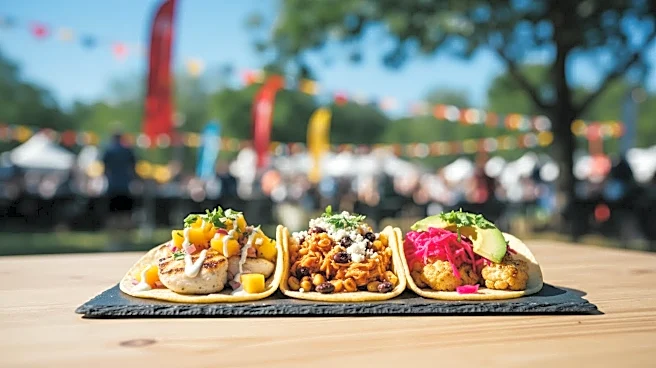
Under Elliot's direction, the central food hub was rebranded as "Chow Town," and it quickly evolved into a mini food festival within the larger event. Instead of relying on national food service companies, Elliot began inviting Chicago's own local legends to set up shop in Grant Park. Suddenly, festival-goers could grab an iconic "Cheezborger" from the legendary Billy Goat Tavern, a slice of deep-dish from Lou Malnati's Pizzeria, or the famous fried chicken from Harold's Chicken. These weren't just random vendors; they were institutions woven into the fabric of Chicago. Attending Lollapalooza now offered a culinary tour of the city, giving the hundreds of thousands of attendees a chance to sample local favorites without ever leaving the festival grounds.
An Attraction You Can Taste
Today, the annual announcement of the Chow Town vendor list is nearly as anticipated as the reveal of the music lineup. It has become a core part of the pre-festival hype. For attendees, Chow Town is more than a food court; it’s a destination. It’s a place for discovery, where you might find a new favorite spot alongside the established classics. The selection is intentionally diverse, reflecting Chicago's culinary breadth. This strategic curation transforms eating from a necessity into an experience. It creates Instagrammable moments, sparks conversation, and adds another layer of entertainment to the weekend. You're not just grabbing a bite; you're sampling a piece of the festival's carefully crafted identity.
The New Festival Standard
Lollapalooza's success in elevating its food scene did more than just enhance its own brand; it set a new industry standard. Other major music festivals across the country took notice and began to imitate the model, realizing that a premium, localized food experience could justify higher ticket prices and build a more loyal audience. By tying its identity so closely to Chicago's culinary reputation, Lollapalooza did something brilliant. It gave a massive, international event a distinctly local flavor and proved that in the modern festival landscape, what you eat is an inseparable part of the entertainment.