





The Sanctity of the Italian Beef
At its heart, the show began in The Original Beef of Chicagoland, a fictionalized version of the real-life Mr. Beef in River North. For the show to retain its credibility, it must continue to respect the culture surrounding this iconic sandwich. It's
not just shaved beef on a roll; it’s a language. It's the specific lean of a customer ordering, the debate over sweet or hot peppers, and the critical decision of getting it dipped, wet, or dry. Chicago’s food identity was forged by immigrant communities creating unique culinary traditions, and the Italian beef is a cornerstone of that history. Faking the nuances of this ritual or treating it as a simple plot device would be a betrayal to the city that serves as the show's most important character.
The Hyper-Local Neighborhood Energy
Chicago is not a monolith; it's a city of neighborhoods, each with its own distinct character, often defined by its local restaurants. 'The Bear' has masterfully used real locations, from Michelin-starred Kasama to the drive-in institution Superdawg, to build its world. As Sydney's culinary tour in past seasons showed, a chef’s inspiration comes from exploring the city’s diverse pockets, whether it's Filipino pastries in Ukrainian Village or Chinese noodles in West Town. A hypothetical Season 5 cannot lose this texture. It can’t just exist inside the fine-dining bubble of 'The Bear.' It needs to feel the push and pull of the city, where a high-end concept from a world-renowned chef exists blocks away from a beloved, 100-year-old tavern or a family-run bakery.
The Sound and Fury of the Kitchen
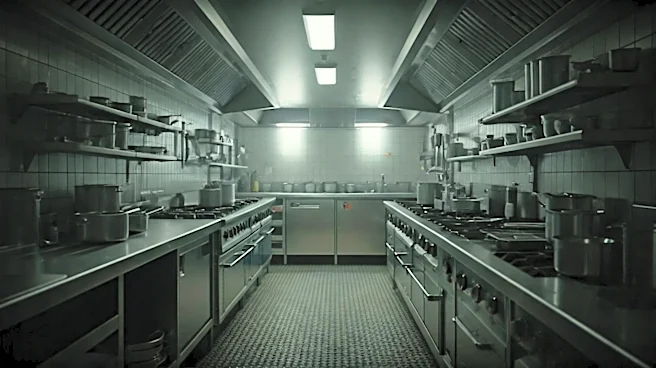
Chefs and restaurant workers have consistently praised 'The Bear' for its almost documentary-like portrayal of kitchen chaos. The overlapping dialogue, the constant call-and-response of "Yes, Chef!", the frantic movement in a cramped space—it's all part of the show's DNA. This isn't just about yelling. It's about capturing the specific cadence and unspoken language of a kitchen team under pressure. Show creator Christopher Storer, a Chicago native, developed the show's tone from his experiences at the real Mr. Beef. As the characters evolve, the show must resist the urge to smooth out these rough edges. The tension, the verbal shorthand, and the sheer noise are what make the quiet moments of connection and artistry feel so earned.
The Ghosts of Restaurants Past
Carmy is haunted by his brother Mikey, and in many ways, Chicago's dining scene is haunted by the legendary restaurants and chefs that came before. The city’s culinary history is rich with stories of innovation, failure, and reinvention. This sense of legacy, of building on the work of giants or trying to escape their shadow, is central to the show's emotional core. We've seen Richie find purpose by studying the gospel of hospitality at a real-life two-Michelin-star restaurant, Ever. To feel authentic, the final season must continue to acknowledge this weight of history. Every new dish, every success, and every failure happens in a city that remembers the titans who paved the way, from Charlie Trotter to the countless neighborhood pioneers.
The Working-Class Ethos
Even as The Bear transformed into a fine-dining establishment, it never completely shed its blue-collar roots, keeping a sandwich window for its original customers. This reflects a deep truth about Chicago: it's a city that appreciates high art but remains fundamentally unpretentious. From its historic stockyards to its thriving street food scene, Chicago food is tied to a history of hearty, robust fare for working people. Even the city's approach to pizza (often tavern-style thin crust, not just deep-dish) is more everyday and accessible than outsiders realize. The show's heart lies in characters like Tina and Richie, who represent this spirit. If 'The Bear' were to become solely about foams and tweezers, losing the grit and hustle that defined it, it would lose its most relatable and authentic trait.