




It's Not the Perfume, It’s You
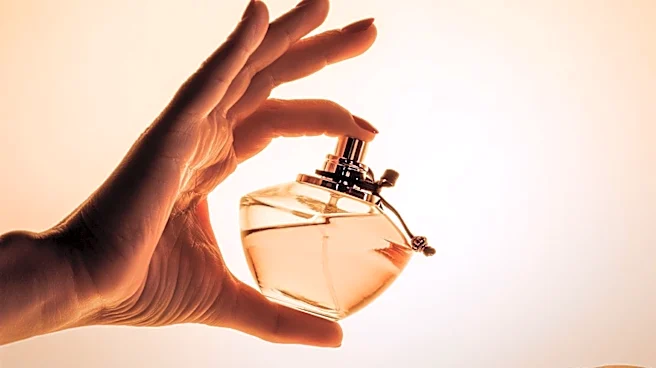
The first thing to understand is that a bottle of fragrance is an incomplete formula. The final, crucial ingredient is you. Perfume isn’t a static layer of scent that sits on top of your skin; it’s a complex chemical solution designed to interact with
it. This interaction is what perfumers call the “final accord,” the true scent that develops only when the fragrance molecules meet your unique biochemical makeup. Think of your skin as a living canvas. Its specific properties transform the perfumer's creation into a personalized signature. Factors like your skin’s pH level, natural oils, and even your body's microbiome of bacteria can dramatically alter how a fragrance like Bleu de Chanel unfolds.
The Science of Your Skin's Blueprint
Your skin type is the foundation. People with oilier skin often find that fragrances last longer and project more intensely. The natural oils, or sebum, act as a fixative, binding to the fragrance molecules and slowing their evaporation. This can make sweet or musky notes in a fragrance feel richer and deeper. On the other hand, dry skin lacks these natural oils, causing perfume to evaporate much more quickly. This can make a scent seem weaker or cause its lighter, more volatile top notes to vanish almost immediately. Furthermore, your skin's pH balance—its relative acidity or alkalinity—plays a huge role. Most skin is slightly acidic, with a pH between 4.5 and 5.5. More acidic skin might cause certain florals to sharpen or citrus notes to burn off faster, while more alkaline skin can mute a fragrance's brighter notes.
Heat, Hormones, and What You Had for Lunch
Your body is a dynamic system, and its fluctuations have a noticeable effect on your scent. Body temperature is a key driver; heat accelerates evaporation. This is why we apply perfume to pulse points like the wrists and neck—these warmer areas help diffuse and project the scent. Someone with a higher natural body temperature may find their fragrance is stronger initially but fades more quickly. Hormonal changes due to stress, pregnancy, or a menstrual cycle can also alter your skin's oil production and chemistry, changing how a familiar perfume smells on you from one week to the next. Even your diet is a factor. Eating spicy foods, garlic, or a lot of red meat can release volatile compounds through your pores, subtly changing your natural body odor and creating a new baseline for your perfume to interact with.
Putting It All Together with Bleu de Chanel
So how does this apply to a nuanced fragrance like Bleu de Chanel? This scent is famous for its structure: a bright, citrusy opening, an aromatic heart, and a rich, woody base. On one person, the skin's acidity might amplify the grapefruit and lemon top notes, making it feel sharp and fresh. On another person with oilier skin, the base notes of cedar, sandalwood, and incense might be intensified, creating a much warmer, woodier, and creamier experience as the day goes on. This variability is particularly true for fragrances with complex natural essences and modern molecules designed to react to skin. The perfume isn't failing; it's performing exactly as intended by creating a version of Bleu de Chanel that is uniquely yours.