
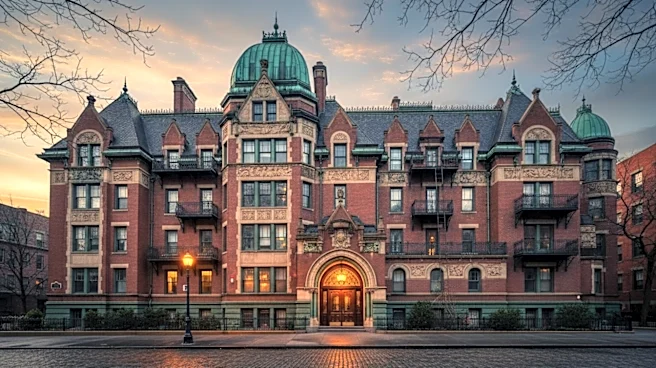


Meet the Real Arconia: The Belnord
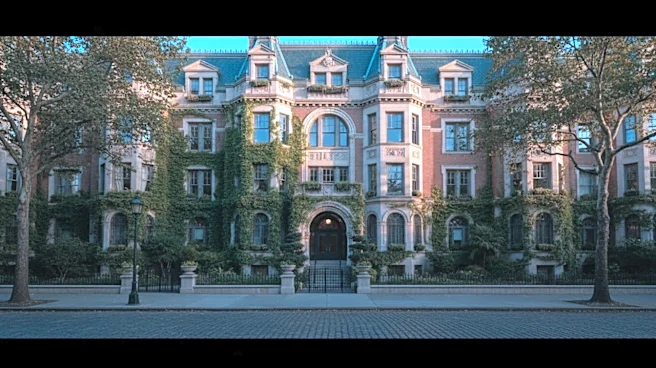
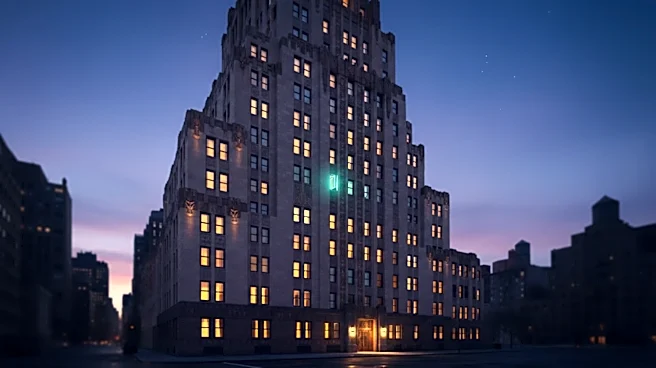
Before it was the Arconia, it was the Belnord, a very real, very grand apartment building at 225 West 86th Street. Built in 1908, this Gilded Age landmark has always been a showstopper, occupying a full city block and boasting one of the largest private
courtyards in Manhattan. Show co-creator John Hoffman even lived across the street from it years ago, becoming obsessed with its elegance and presence. When it came time to find a home for his characters, he knew it had to be the Belnord. Its stately iron gates, twin archways, and sprawling courtyard provide the perfect exterior shots, lending the fictional Arconia an air of authentic New York history and grandeur. While the show's interiors are filmed on a soundstage, the spirit and architectural DNA come directly from this iconic address.
Designing a World of Clues
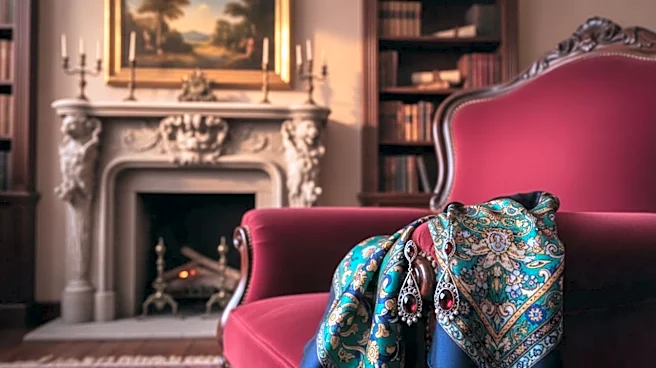
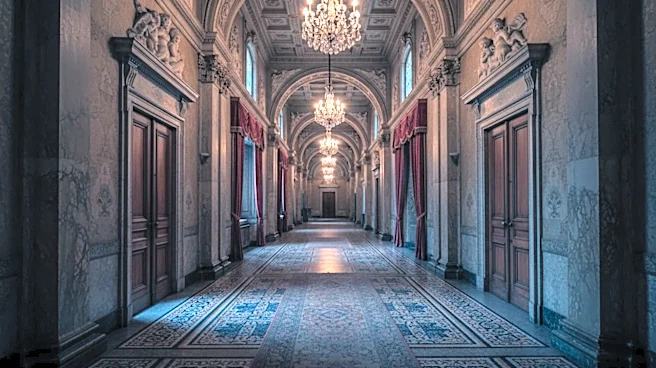
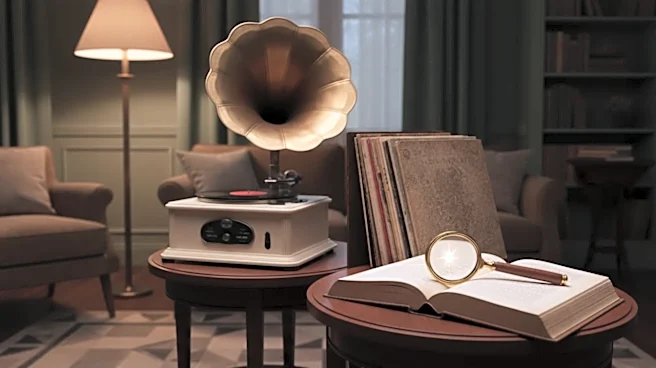
The magic of the Arconia truly comes alive inside, thanks to the Emmy-winning work of the show's production design team, led in its first season by Curt Beech. His philosophy was not just to design scenery, but to tell stories. Each apartment is a direct reflection of its inhabitant, built from clues in the script. The team gave every apartment the same architectural footprint, then customized it to express each resident's personality. Oliver Putnam's (Martin Short) apartment is theatrical and a bit over-the-top, with dramatic wallpaper referencing opera, because he's a man who is always performing. In contrast, Charles-Haden Savage's (Steve Martin) space is a sophisticated mix of mid-century modern furniture and high-end art, reflecting his own refined taste and semi-retired status. Mabel Mora's (Selena Gomez) apartment, initially a raw, unfinished space, evolves as she does, with a massive mural she paints becoming a visual representation of her character's journey. These choices make the Arconia feel like a collection of real, lived-in homes, not just a series of sets.
A Building Built for Mystery
The Arconia isn't just beautiful; it's a narrative engine. Its very design facilitates the show's central premise. The sprawling layout, with its multiple elevator banks and separation between towers, creates a world of isolated neighbors perfect for secrets to fester. And then there are the 'Arcatacombs'—a network of secret passageways discovered by the trio. This brilliant plot device, a passion of the building's fictional architect, Archibald Carter, allows the characters (and the audience) to move through the building's hidden spaces, eavesdropping and gathering clues. The building itself becomes a puzzle box, with hidden elevators and secret routes that are essential to solving the murders. Without the Arconia's labyrinthine quirks, the podcasting trio's investigations simply couldn't happen in the same way.
The Ultimate Urban Village Fantasy
Beyond the architecture and mystery, the Arconia taps into a deep-seated New York fantasy: the building as a self-contained community. It represents a type of urban village where neighbors from different walks of life—a washed-up actor, a struggling theater director, and a mysterious young artist—can form an unlikely family. In a city often defined by anonymity, the Arconia offers connection. Residents gather in the courtyard, gossip in the elevators, and attend building meetings that are as much about community politics as they are about the latest murder. This sense of a shared world, where everyone knows each other (for better or worse), is a powerful part of the appeal. It transforms the building from a simple residence into a destination—a place not just to live, but to belong. That's a tour every fan would want to take.