


Decoding the Lingo: Waterproof vs. Water-Resistant
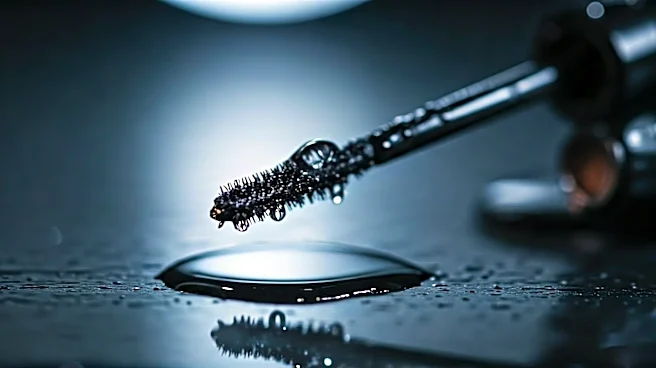
First, let's clear up the terms. 'Water-resistant' and 'waterproof' aren't interchangeable. Water-resistant mascaras can handle light moisture, like humidity or a few tears of joy after a match point. They're generally easier to remove. Waterproof formulas
are built to withstand full submersion, containing more robust waxes, silicones, and film-forming polymers that create a stronger shield against water. A dermatologist’s first step is to assess the need. For daily wear involving potential sweat or humidity, a water-resistant formula is often a smarter, gentler choice. For a day at the pool or a known tearjerker event, waterproof is the way to go. Many modern 'tubing' mascaras are water-resistant and form tiny tubes around each lash that slide off with warm water, reducing the need for harsh rubbing.
The All-Important Ingredient Check
An expert eye immediately scans the ingredient list. The secret to a long-wearing mascara lies in its formulation. Key players include waxes like carnauba wax or beeswax, which help the product adhere to lashes, and film-forming polymers (like acrylate copolymers) that create a flexible, water-repellent coating. Silicones, such as dimethicone, also play a role in repelling water and providing a smooth finish. For sensitive eyes, it’s just as much about what’s not in the formula. A dermatologist-approved pick would be fragrance-free and ideally ophthalmologist-tested to minimize the risk of irritation. Looking for these labels ensures the product has undergone specific safety evaluations for the delicate eye area.
The Formulation and Wand Audit
Not all formulas are created equal, even with similar ingredients. A dermatologist would consider the type of formula, especially recommending 'tubing' mascaras for those with sensitive eyes or who want easy removal. These formulas wrap each lash in polymers, creating 'tubes' that don't smudge but slide off easily with warm water and gentle pressure, preventing damage to lashes and the surrounding thin skin. The application wand is also part of the test. A brush that separates and coats each lash evenly without clumping ensures the formula can do its job correctly. A poorly designed wand can lead to clumps that are more likely to flake or smudge, regardless of how good the formula is.
Simulating the 'Centre Court' Stress Test
Before trusting a mascara for a big event, an expert would suggest a trial run. You don't need to play a five-set match to do it. A home 'stress test' can reveal a lot about performance. You can wear it during a workout to see how it holds up against sweat. Another simple test involves wearing it on a humid day or standing in a steamy bathroom post-shower to check for smudging. Some makeup enthusiasts even perform a 'Q-tip test' to check if the formula holds a curl. The goal is to observe how the mascara wears over several hours. Does it flake, create 'raccoon eyes,' or transfer onto the eyelid? A winning formula should stay put without causing irritation.
The Gentle Removal Rule
A mascara only passes the test if it can be removed without a fight. Aggressive rubbing can lead to lash breakage and irritate the delicate skin around the eyes. For waterproof mascaras, dermatologists recommend using an oil-based or bi-phase makeup remover. These products are effective because the oils dissolve the waxes and polymers that make the mascara so durable. The technique matters, too. Soak a cotton pad with the remover and press it gently against your closed eyelid for about 10-15 seconds. This gives the remover time to break down the product before you gently wipe it away. For tubing mascaras, all you should need is warm water and light pressure.