
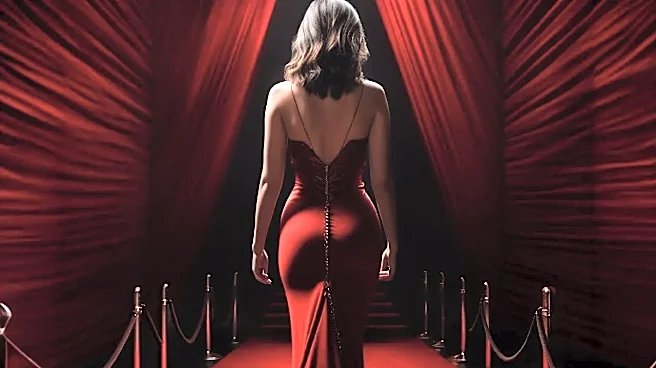
Welcome to the Immersive Island
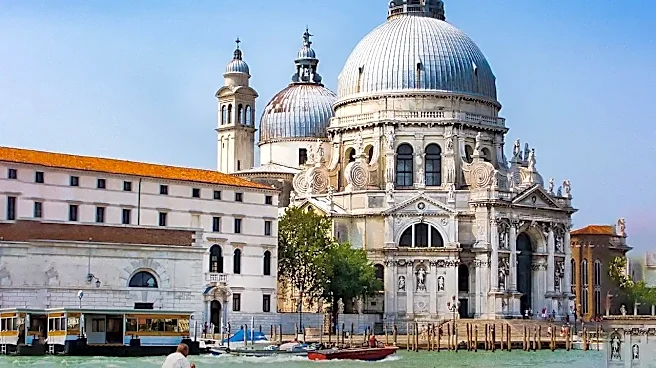
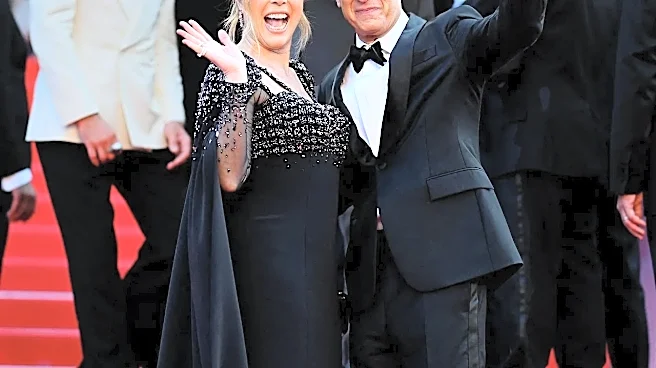
Venice Immersive is the Extended Reality (XR) section of the world-renowned Venice Film Festival, an entire island dedicated to showcasing the cutting edge of virtual, augmented, and mixed reality experiences. For its 10th anniversary, the 2026 edition
features 68 projects from 26 countries, ranging from 360-degree videos to fully interactive virtual worlds. It’s become a premier destination for creators who are pushing the boundaries of media, moving beyond the flat screen to build entire worlds for audiences to inhabit. While early VR often tried to replicate cinema, putting traditional films into a headset, the artists featured here are exploring what makes this medium fundamentally different.
The All-Important Feeling of 'Presence'
The key term buzzing around the island is "presence." It’s a concept that’s hard to describe but unmistakable when you feel it. It’s not just about immersion—the technical ability of a headset to trick your senses with visuals and sound. Presence is the deeper, psychological sensation of actually being in that virtual space. It’s your brain accepting the new reality, making you feel physically and emotionally engaged with the digital environment. Creators achieve this through a seamless blend of high-fidelity tracking, responsive interactivity, and convincing world-building. When it works, you forget you’re wearing a headset; you’re simply there.
From Story-Telling to Story-Living
For decades, we’ve understood stories through plot: a character wants something, faces obstacles, and arrives at a resolution. Many VR experiences still follow this model. But a growing movement, on full display in Venice, is prioritizing presence above all else. Instead of guiding you through a pre-written narrative, these experiences drop you into a space and let you exist within it. The 'story' becomes what happens to you. It’s a shift from passive story-telling to active story-living. The emotional impact doesn't come from a character's journey; it comes from your own embodied experience, your choices, and your sensory reactions to the world around you.
What This Looks Like in Practice
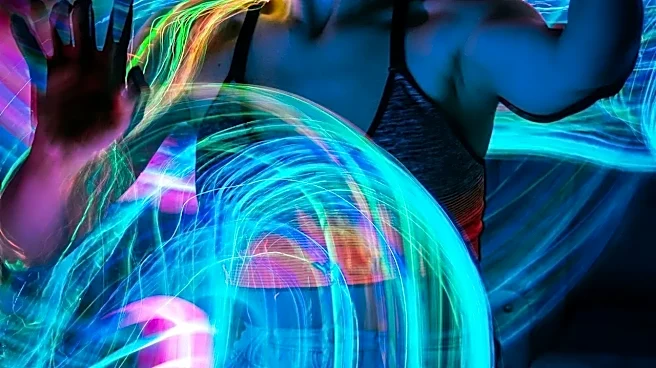
Imagine an experience where you're not playing a hero but are simply a visitor in a tranquil, alien forest. There's no mission, no dialogue, no climax. Your only goal is to explore. You might spend your time watching bizarre, beautiful creatures, listening to the otherworldly soundscape, or interacting with glowing flora that responds to your touch. Another project might place you in a meticulously recreated historical setting, not to solve a mystery, but to simply soak in the atmosphere and witness daily life unfold around you. The attraction isn't what happens next, but the profound feeling of inhabiting a different time and place. This is where VR stops trying to be a movie and starts becoming a destination.
The Future Is a Feeling
This evolution doesn’t mean the end of plot in virtual reality. Complex, narrative-driven games and experiences will continue to thrive. However, the emphasis on presence signals a maturing of the art form. Creators are realizing that VR’s most unique and powerful attribute isn’t its ability to tell a story you watch, but to place you inside a world you feel. It unlocks a new kind of creative expression, one based on atmosphere, emotion, and the user’s own agency. As the technology becomes more seamless, the line between reality and simulation blurs, and the main event is no longer the narrative, but the simple, stunning magic of being somewhere—and someone—else.