


From Behind the Scenes to Center Stage
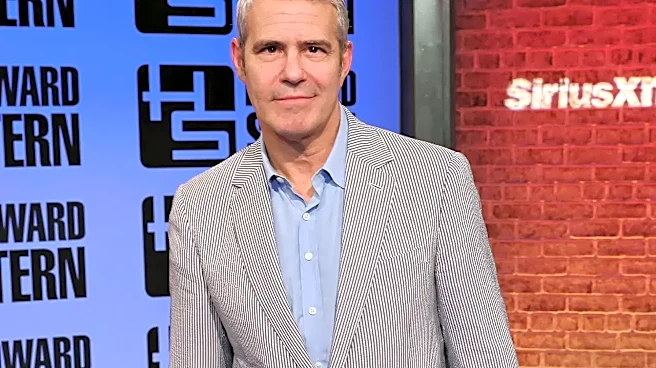
Andy Cohen wasn't initially destined for an on-air career. In the early 2000s, he was a suit—a powerful one. As Bravo's Vice President of Original Programming, he had a significant hand in shaping the network's identity, greenlighting shows that would
become cultural behemoths, most notably The Real Housewives franchise. He was a fan first, sending what he called "dishy reports" from the set to network executives. This passion and his witty observations eventually led to him blogging for the network and, ultimately, stepping in to host the reunion specials he helped create. The move was a natural fit. He wasn't just an impartial observer; he was an executive producer who knew the stories, the personalities, and exactly which buttons to push to get the moments viewers craved. This dual role as both corporate insider and on-air instigator gave the reunion a unique and irresistible authority.
The Cohen Formula: Chaos and Closure
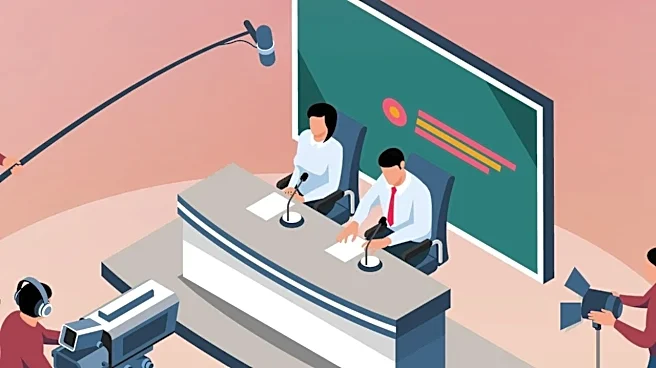
What makes a Bravo reunion appointment viewing isn't just the gowns or the glam; it's the formula Cohen perfected. He acts as part prosecutor, part therapist, and part camp counselor, armed with a stack of viewer questions and a knack for asking the things everyone is thinking. His style is disarmingly direct, honed over years of practice. He can pivot from asking a celebrity why they were texting during a Mariah Carey performance to grilling a Housewife about a season-long feud without missing a beat. The format itself is a pressure cooker. By placing cast members on opposing couches, rehashing dramatic moments with video evidence, and forcing them to confront their behavior, the reunion provides a sense of accountability and, sometimes, closure that the regular season often lacks. It's a structured environment for unstructured conflict, and Cohen is its expert moderator, knowing precisely how long to let a fight breathe before stepping in to guide the chaos.
A Content Engine for the Social Media Age
Long before TikTok clips and Instagram Reels dominated our feeds, the Bravo reunion was a content-generating machine. The most explosive moments—a table flip, a leg toss, a shocking revelation—were destined to be replayed, analyzed, and memed into oblivion. This made the reunion format perfectly suited to survive the transition from live cable viewing to a more fragmented, digital media landscape. A three-part reunion doesn't just fill hours on Bravo's schedule; it provides weeks of fodder for social media accounts, podcasts, and pop culture blogs. Cohen's own late-night show, Watch What Happens Live, which grew out of his reunion hosting gig, further feeds this ecosystem, dissecting the drama and extending the conversation. The reunion isn't just the end of a season; it's the beginning of a whole new cycle of conversation, ensuring the show remains relevant long after the credits roll.
Why It Endures in 2026
In 2026, the media world is saturated. Audiences are discerning, and their attention is the ultimate commodity. Yet the reunion ritual persists. Why? Because it offers something increasingly rare: the promise of authenticity, or at least the illusion of it. In an era of heavily curated celebrity personas and PR-managed apologies, the reunion feels like one of the last places where real, unfiltered conflict can happen. While critics and even fans sometimes question Cohen's biases or handling of sensitive topics, the format’s core appeal remains unshaken. It’s a televised town square where grievances are aired and people are held to account, for better or worse. It’s a shared cultural experience in an atomized world, giving millions of viewers a common language of drama, shade, and iconic one-liners. That shared experience is something no algorithm can replicate.