
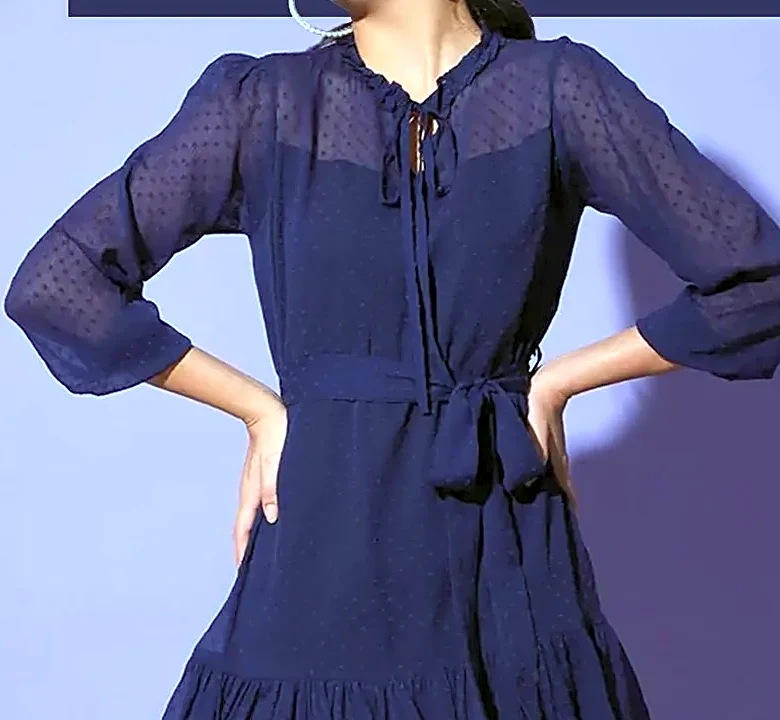




The fit-and-flare dress is fashion’s golden child, praised for its universally flattering silhouette. But online reviews often miss the one crucial detail that separates a truly great dress from a merely good one.
The Enduring Appeal of the Hourglass Shape
First, let's appreciate why the fit-and-flare
is a wardrobe workhorse. Its magic lies in its simple, powerful geometry: a fitted bodice that cinches at the waist, and a skirt that flares out over the hips. This combination creates or enhances an hourglass figure on a wide variety of body types, from pear shapes to athletic builds. It defines the waist, skims over the lower body, and creates a balanced, proportionate look. This timeless design is celebrated for a reason—when it works, it really works, offering a blend of comfort and elegance suitable for almost any occasion.
The Hidden Detail: It's All in the Seam
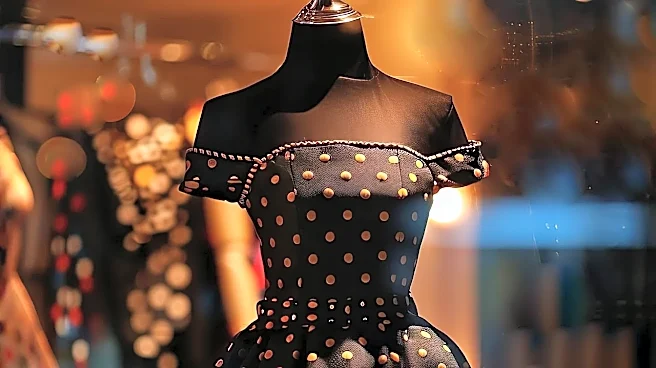
So, if the silhouette is so perfect, why do some fit-and-flare dresses look spectacular while others fall flat? The secret isn't just the fit or the fabric, though those matter. It's the construction and placement of the waist seam—the very point where the 'fit' meets the 'flare'. In a cheap or poorly designed dress, this is often just a simple, straight line of stitching connecting the top and bottom. But in a high-quality garment, this seam is an architectural element. It’s intentionally placed and often reinforced to provide structure and support for the entire silhouette. This is the detail that five-star reviews, focused on color and initial impressions, almost always miss.
Why This Seam Is Your Secret Weapon
A well-constructed waist seam does more than just hold two pieces of fabric together. Its precise placement—at your natural waist or slightly above—is key to creating that coveted hourglass effect. More importantly, its structure dictates how the rest of the dress behaves. In a premium dress, you might find the seam is piped, interfaced, or supported by an internal waistband. This structural integrity prevents the bodice from pulling or the skirt from drooping, ensuring the fabric falls cleanly. It defines the waist without uncomfortable cinching. A flimsy seam on a heavy skirt will buckle and sag, while a well-engineered one allows the skirt to flare out gracefully, creating beautiful movement, which is one of the clearest signals of a well-made garment.
How to Spot a Quality Seam (Even Online)
You don't need to be a seamstress to become an expert at spotting quality. When shopping in person, simply turn the dress inside out. Look for a clean finish. Is there a simple, raw-looking seam, or is it neatly finished, perhaps with an extra band of fabric (a waist stay) for support? Feel it. Does it feel sturdy or flimsy? Online, this requires a bit of detective work. Use the zoom function on product photos. Look for close-ups of the dress on a mannequin or model. Can you see any puckering or pulling at the waist? Does the transition from bodice to skirt look crisp and intentional, or does it look soft and weak? Trustworthy product pages will often include details about lining and construction; a lack of such information can be a red flag.
Don't Forget the Fabric Factor
Of course, that powerful seam needs a good partner: the right fabric. The material's weight and drape are critical. A structured fit-and-flare, designed to hold a crisp A-line shape, requires a fabric with more body, like a quality cotton poplin or a medium-weight knit like ponte. A softer, more romantic version needs a fabric with fluid drape, like viscose or silk, that will move beautifully with the flared skirt. But in both cases, the fabric must have enough weight to hang properly without clinging or collapsing. The perfect dress is a marriage of a well-constructed seam and a fabric that has the right substance to execute the silhouette flawlessly.