


It’s All About the Silhouette
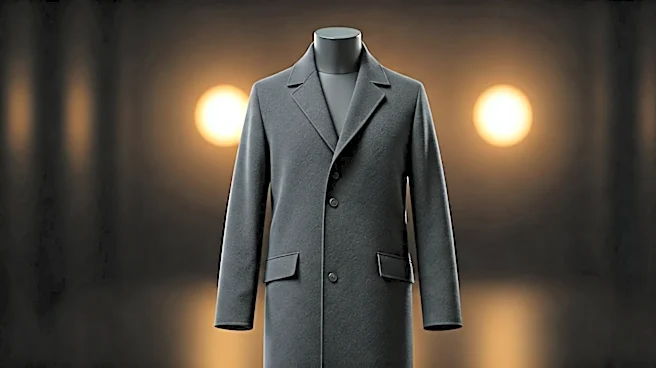
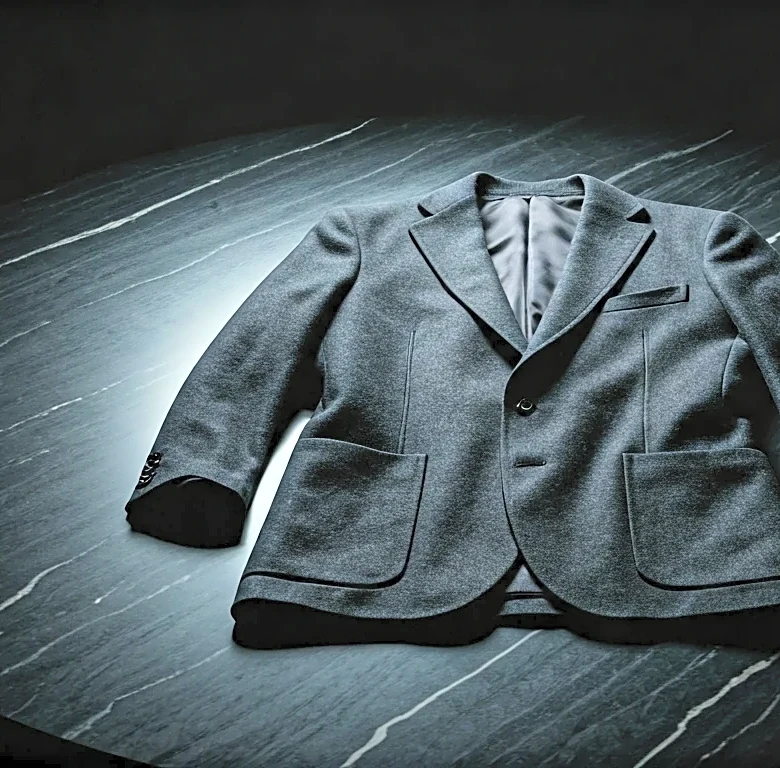
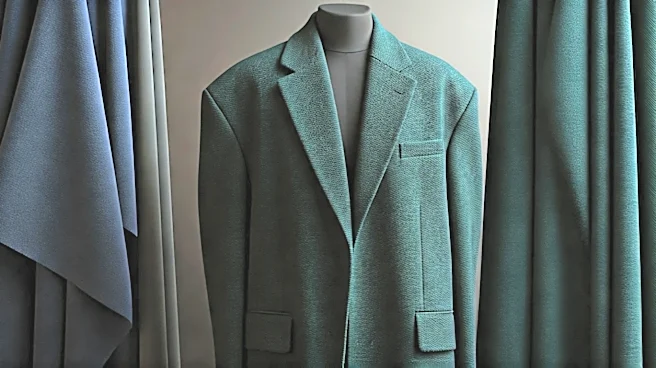
From twenty feet away, a great coat isn't about the buttons or the stitching; it's about the shape. Designers at houses like The Row, Jil Sander, or Max Mara obsess over the silhouette—the architectural form the garment creates around the body. This isn't just
about making it fit. It's about engineering a specific line and movement. A shoulder might be dropped just a few millimeters to convey a sense of nonchalance. The back might have a subtle, sculptural curve that only becomes apparent when the wearer turns. This perfection of proportion is incredibly difficult to achieve. It requires dozens of pattern revisions and fittings to create a coat that hangs with an almost magical sense of balance. What looks like a simple, clean line from afar is actually the result of complex geometric calculations and an uncompromising eye for form. It’s the difference between a coat that just covers you and one that defines your entire presence.
The Secret Language of Fabric
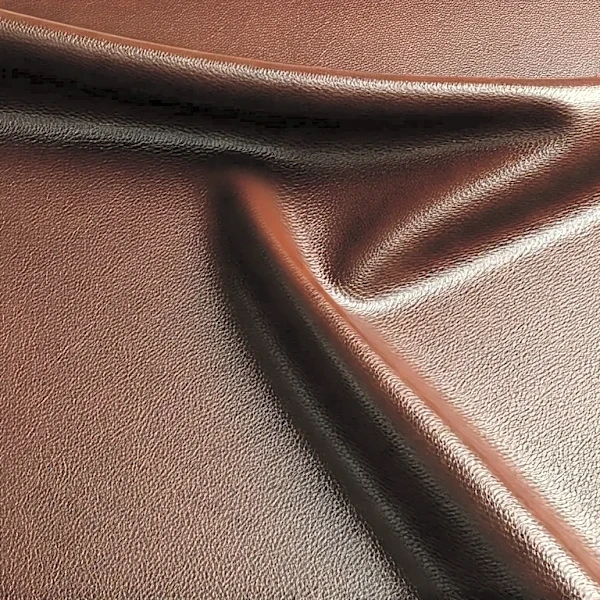
If silhouette is the skeleton, fabric is the skin and soul of a luxury coat. The materials used in these garments are a world away from what you find in a typical department store. We're talking about double-faced cashmere, where two layers of the finest wool are woven together and then meticulously hand-stitched along the edges so the coat is as beautiful on the inside as it is on the outside, with no need for a lining. Or consider vicuña, a fiber so fine and rare it’s sheared from an animal that can only be combed once every two years. These fabrics aren't just chosen for softness. They have a unique 'hand' (how they feel), a specific weight, and a particular drape that cannot be replicated. A cheaper wool will be stiff; a superior one will flow and move with you. This material excellence is the first and most expensive ingredient in creating that effortless look. The simplicity of the design is intentional, serving as a quiet frame for the breathtaking quality of the textile itself.
Invisible Labor, Visible Quality
The most expensive parts of a high-end coat are often the things you can’t see. Look closely at the seams. Are they perfectly matched? On a plaid or striped coat, this requires a huge amount of extra fabric to be wasted just to ensure the pattern aligns flawlessly across every panel. On a solid coat, the complexity is in the stitching. Many are finished by hand, using techniques that allow for more flexibility and a cleaner finish than a machine ever could. The buttonholes might be hand-sewn, a tiny detail that takes an artisan hours but provides superior durability. Often, the construction is the point. An unlined double-faced coat, for instance, has nowhere to hide. Every internal seam must be perfectly finished because there is no lining to cover up messy work. This 'invisible' labor—the hours of skilled craftsmanship—is what gives the garment its longevity and quiet integrity. It’s a quality that is felt more than it is seen.
The Power of Understatement
Ultimately, the simplicity is the point. In an age of loud logos and fleeting micro-trends, a perfectly constructed, minimalist coat is a statement of confidence. It communicates a philosophy of 'quiet luxury' or 'stealth wealth'—the idea that true luxury doesn't need to shout. The owner of such a coat isn't buying a trend; they're investing in a timeless piece of design that will look just as good in ten years as it does today. Designers create these pieces for a discerning client who appreciates craftsmanship over flash. By stripping away extraneous details, the focus returns to the core elements: a perfect cut, an exquisite material, and flawless construction. The coat doesn't wear the person; the person wears the coat. Its simplicity is a canvas, allowing the wearer's personal style to shine through, secure in the knowledge that they are wearing a masterpiece of textile art.