






Adapting a phenomenon like 'Wicked' for the screen comes with colossal expectations. More than just recreating iconic songs, it required translating the story's soul. Enter choreographer Christopher Scott, who did more than teach dance steps; he built
a physical language for Oz.
A Storyteller Who Speaks in Movement
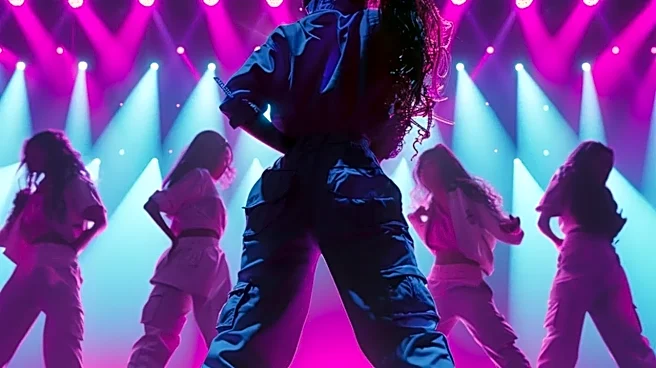
Before tackling Oz, Christopher Scott had already established himself as a premier storyteller through dance. An Emmy-nominated choreographer known for his work on 'So You Think You Can Dance' and his groundbreaking collaboration with director Jon M. Chu on 'In the Heights', Scott's signature is blending the explosive energy of hip hop with the raw emotion of contemporary dance. His philosophy is that choreography isn't just steps; it's a narrative tool, a way to reveal character and drive the plot. He sees dance in everyday human frustrations and joys. For 'Wicked', this meant he didn't just create dances, he built distinct movement cultures for the different regions and characters of Oz, always starting by asking the actors, 'Who is your character?'.
Reinventing 'Dancing Through Life'
One of the film's most talked-about sequences is 'Dancing Through Life', Fiyero's carefree anthem. Scott and Chu envisioned a scene that would physically loosen up the stiff, rule-bound world of Shiz University. The number, set in a massive, rotating library, saw actor Jonathan Bailey dancing on moving platforms and even harnessed while upside down. Scott's choreography for Fiyero was designed to feel effortless and charming, but it also served a narrative purpose. He created a 'call and response' system where Fiyero's moves would inspire others, like Ariana Grande's Glinda, to join in, but in a way that felt authentic to their characters. It wasn’t about everyone suddenly knowing the routine; it was about Fiyero's infectious energy breaking down the walls, one hip roll at a time.
The Awkward, Beautiful Language of the Ozdust Ballroom
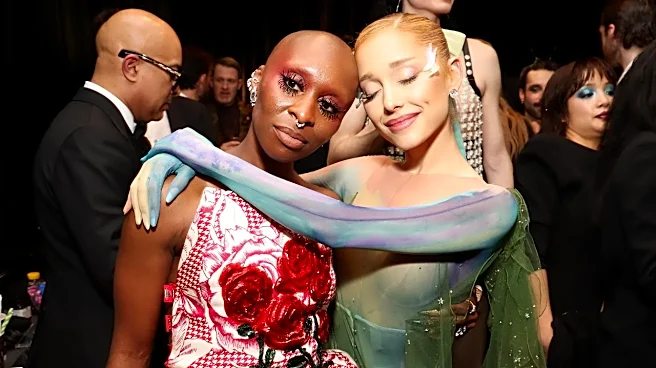
Perhaps the most emotionally pivotal scene is the Ozdust Ballroom. It's not a flashy, high-energy number, but a quiet, powerful moment of connection. When Elphaba (Cynthia Erivo) takes to the floor, she doesn’t dance like the others. Her movement, developed closely with Erivo and associate choreographer Comfort Fedoke, is unique and even jarring—inspired by the movements of animals, her only friends. Scott described the process as building a new language for Elphaba, one she had to learn to speak. The scene's magic crystallizes when Glinda, in a profound act of friendship, risks ridicule by joining Elphaba and mirroring her strange, beautiful movements. This moment, performed mostly in silence without musical cues, becomes the turning point in their relationship, a conversation held entirely through their eyes and bodies.
Beyond Dance Steps: The Physicality of Magic
Scott’s influence extends far beyond the traditional dance numbers. He was tasked with creating the physical identity for the entire world. The students at Shiz have a stiff, upright, almost military posture influenced by boot_stomping and rhythmic stepping, establishing a world Fiyero is meant to disrupt. For Elphaba, Scott and Erivo developed a physical vocabulary that expressed her isolation and burgeoning power. Every gesture, from the way she held herself to the specific way she wiggled her fingers, was a deliberate piece of storytelling. It was a process of constant collaboration, with Scott often adjusting choreography based on what an actor felt in the moment, ensuring the movement was always an extension of character, not just a performance.